Dissolving Collagen Powder in Cream Base and Topical Effectiveness
Question
I am trying to formulate a cream product and am having difficulty dissolving collagen powder in the cream base, as it tends to clump. I would like to know:
- What is the best method to dissolve collagen powder for use in a cream formulation?
- Are there specific considerations for different types of collagen powder, such as
Collagen HP,Atelocollagen,Micro SRHC III, orSRHC XVII, regarding dissolution temperature or method? - How does the form of collagen (powder, liquid like
Egg Shell Membrane CollagenorHRC-4000™, or oil-dispersible likeLipX®-Collagen) affect its incorporation into a cream? - Regarding topical application, are large collagen molecules effective, or are smaller forms like hydrolyzed collagen or peptides better?
- How do peptides, such as
Pep®-Coll(Palmitoyl tripeptide-5) andPal-GHK, Pal-GQPR (eq Matrixyl 3000), function differently from collagen itself when applied topically for benefits like skin firmness and wrinkle reduction?
Answer
Dissolving Collagen Powder in Cream Base and Topical Effectiveness
Regarding the issue of collagen powder clumping and being difficult to dissolve when mixing into a cream base, collagen powder, especially certain types, needs to be properly dissolved in the water phase of your formulation before being incorporated into the cream base. Collagen is water-soluble, but like many powders, it can clump if added incorrectly.
Tips for Dissolving Collagen Powder:
- Dissolve in Water Phase: Always dissolve the collagen powder completely in the water portion of your formula first, before combining it with the oil phase or cream base.
- Slow Addition and Stirring: Add the powder slowly to the water while stirring continuously. This helps prevent the powder particles from sticking together.
- Temperature Control: Pay attention to the recommended mixing temperature for the specific collagen product you are using. Some collagen types, like Atelocollagen, require avoiding heat above 30°C, while others like Collagen HP, Egg Shell Membrane Collagen, HRC-4000™, and LipX®-Collagen suggest avoiding heat above 40°C. Dissolving at room temperature or slightly warmed water (below the maximum temperature) is usually best.
- Proper Mixing: Ensure adequate stirring or mixing to help the powder disperse and dissolve fully.
Different types of collagen are available in powder form, such as Collagen HP, Atelocollagen, Micro SRHC III, and SRHC XVII, all of which are water-soluble and should be dissolved in the water phase according to their specific temperature guidelines.
For easier incorporation, some collagen products are available in liquid form, like Egg Shell Membrane Collagen and HRC-4000™, or even oil-dispersible forms like LipX®-Collagen.
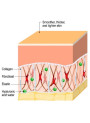
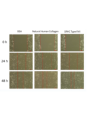
Regarding the effectiveness of topical collagen, it is true that large collagen molecules may not penetrate the skin deeply. However, hydrolyzed collagen or collagen peptides, which are smaller molecules, are often used in skincare for hydration, improving skin barrier function, and providing building blocks. Some products like Collagen HP are ultra-miniature forms designed for better skin performance.
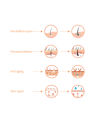
The discussion you saw mentioning peptides is also relevant. Peptides like Pep®-Coll (Palmitoyl tripeptide-5) and Pal-GHK, Pal-GQPR (eq Matrixyl 3000) are specifically designed to act as signaling molecules to stimulate the skin's own production of collagen and other beneficial components, offering a different mechanism for improving skin firmness and reducing wrinkles compared to applying collagen itself.
Therefore, while dissolving collagen powder requires careful technique, the choice of collagen type (powder, liquid, or peptide) and its molecular size can also influence its properties and how it is best incorporated and functions in a cosmetic formulation.
Related Products Mentioned
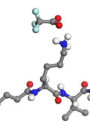
Pep®-Coll (Palmitoyl tripeptide-5)

Pal-GHK, Pal-GQPR (eq Matrixyl 3000)
Collagen HP