Dissolving Copolymer in Oil-based Formulation
Question
How can I properly dissolve Ethylene/Propylene/Styrene Copolymer in an oil blend (Polybutene, Pentaerythrityl Tetraisostearate, Diisostearyl Malate) for cosmetic formulation, as heating to 120°C and continuous stirring did not result in complete dissolution and caused lumps? What is the correct mixing method?
Answer
Hello,
I understand the issue you are facing with mixing Ethylene/Propylene/Styrene Copolymer into a blend of Polybutene, Pentaerythrityl Tetraisostearate, and Diisostearyl Malate. The fact that the copolymer is not fully dissolving and is forming lumps even when heated to 120°C can be due to several factors.
Based on the basic product information available for Polybutene and Pentaerythrityl Tetraisostearate, both are oils commonly used in cosmetic formulations, can withstand heat well, and are compatible with other oils, which aligns with your base mixture.
For Ethylene/Propylene/Styrene Copolymer, which functions as a thickener or gelling agent in oil-based formulas, dissolving this type of polymer often requires specific conditions and can take some time. The temperature needed for dissolution depends on the specific grade of the copolymer (e.g., molecular weight or styrene content) as well as the type of oils used as solvents.
Possible reasons for the copolymer not dissolving:
- Inappropriate Temperature: While 120°C is quite high, some polymer grades might require a slightly higher temperature, or perhaps need to be held at that temperature for a longer duration for complete dissolution.
- Insufficient Mixing Time: Dissolving polymers in oil typically requires continuous stirring at the specified temperature until the mixture becomes clear and homogeneous. This process can take a significant amount of time, sometimes hours, depending on the formula.
- Inadequate Mixing Speed: Proper stirring helps the polymer disperse and come into full contact with the oil. Using a stirrer with sufficient power and mixing at an appropriate speed is also crucial.
- Copolymer Grade: Each grade of polymer has different dissolution properties. The technical data sheet (Technical Data Sheet - TDS) for the specific Ethylene/Propylene/Styrene Copolymer you are using will clearly state the recommended dissolution method and temperatureไว้อย่างชัดเจนค่ะ
Correct Method for Mixing (General for Polymers in Oil):
- Heat the Oil Phase: Start by heating your oil blend (Polybutene, Pentaerythrityl Tetraisostearate, Diisostearyl Malate) to the recommended dissolution temperature for your specific copolymer (refer to the copolymer's TDS).
- Add Polymer Slowly: Gradually sprinkle or add the Ethylene/Propylene/Styrene Copolymer into the hot, stirring oil blend slowly to prevent large clumps from forming.
- Stir Continuously: Maintain the temperature and stir the mixture continuously at an appropriate speed for a sufficiently long time until the polymer is completely dissolved, and the mixture is clear, homogeneous, and free of undissolved particles or lumps. This step can take several hours, depending on the amount and type of polymer, as well as the efficiency of your stirrer.
- Avoid Moisture: Ensure no moisture enters the mixture while heating, as this can affect the dissolution of some polymers.
Recommendation:
- The most important step is to consult the Technical Data Sheet (TDS) for the specific Ethylene/Propylene/Styrene Copolymer you are using. This document will provide the correct dissolution method, recommended temperature, and estimated dissolution time in detail.
- Try extending the mixing timeให้นานขึ้น at 120°C or the temperature recommended in the TDS.
- Consider the speed and type of stirrer you are using and whether it is suitable for dissolving polymers.
I hope this information helps you resolve the issue. Please feel free to ask if you have any further questions.
Related Products Mentioned
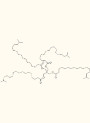
Pentaerythrityl Tetraisostearate