DIY AHA/BHA Peeling Product Formulation
Question
How to formulate a DIY wash-off AHA/BHA peeling product at safer concentrations (e.g., AHA 5%, BHA 5%)? Specifically, I need to know:
- Can AHA and BHA be mixed together in the same formula?
- What substance can be added to make the texture thick like a gel, so it stays on the skin without dripping?
- Does the pH need to be measured and adjusted for these concentrations (e.g., pH 2-3)? Is it necessary to adjust the pH?
- Is a preservative needed for an acidic formula like this?
Answer
DIY AHA/BHA Peeling Product
Regarding your interest in creating a wash-off AHA/BHA peeling product similar to clinic treatments, it's important to address the concentrations you initially mentioned. The staff strongly advises against using high concentrations like AHA 30-50% and BHA 10% for home use due to the significant risk of severe skin irritation and damage. Combining AHA and BHA further increases this risk.
However, addressing your specific questions about formulating such a product at safer concentrations:
- Can AHA and BHA be mixed? Yes, AHA (like Glycolic Acid) and BHA (like Salicylic Acid EZ) can be mixed in a formulation. Be aware that combining them can increase the potential for skin irritation.
- What substance can be added to make the texture thick? To create a thick, gel-like texture that stays on the skin without dripping, you need to use a gelling agent or thickener. The staff recommended several options suitable for acidic formulas:
- Hydroxyethyl Cellulose: Use at approximately 1%. This requires the final formula pH to be at least 3.0.
- Pro Polymer: Use at approximately 1.5% or potentially more, depending on the desired thickness. Compatible with a formula pH of at least 2.0.
- Xanthan Gum: Use at approximately 0.5-1.0%. Compatible with a formula pH of at least 1.0.
Choose one thickener based on your desired texture and the pH compatibility.
- Does the pH need to be measured and adjusted? Yes, measuring and adjusting the pH is crucial. The effectiveness and safety of AHA and BHA depend heavily on the pH level. Additionally, thickeners have specific pH ranges where they work best. You must ensure the final pH is suitable for the acids (typically acidic, below 4.0 for peeling effects, but always follow safety guidelines) and compatible with your chosen thickener. You may need to adjust the pH upwards using a base if it's too low for the thickener.
- Is a preservative needed? Yes, a preservative is necessary, especially in water-based formulas, to prevent microbial growth and ensure product safety and stability over time. The staff included Phenoxyethanol SA (0.5-1.0%) in their example formula, indicating the need for preservation.
The staff provided an example formula structure using concentrations considered safer for home use, which can be thickened:
- Glycolic Acid (AHA): 5%
- Salicylic Acid EZ (BHA): 5%
- Thickener (Choose one): e.g., Hydroxyethyl Cellulose 1%, Pro Polymer 1.5%+, or Xanthan Gum 0.5-1.0%
- Preservative (e.g., Phenoxyethanol SA): 0.5-1.0%
- Water: Remaining percentage
When mixing, follow the staff's advice: create the gel base with water and the thickener first, then add the acids and mix thoroughly until completely dissolved. Undissolved acid particles can cause significant irritation. Always prioritize safety and research proper formulation techniques before attempting to create skincare products at home.
Related Products Mentioned
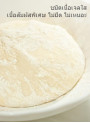
Pro Polymer™ (Gel Maker)
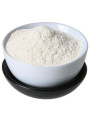
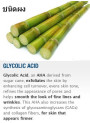
Glycopure™ (Glycolic Acid (AHA) Powder)
