DIY BHA Toner/Gel Formulation: pH, Compatibility, and Ingredients
Asked by: khunchinz
On: September 13, 2018
Product Type:
Cosmetics
Answered
Question
I have questions regarding a DIY BHA toner/gel formulation. Please provide knowledge on the following:
- pH Measurement: Is using litmus paper sufficient for measuring pH in DIY formulations, especially for exfoliants like AHA?
- Ingredient Compatibility: Will adding ingredients with a pH of 4-6 to a BHA Toner with a pH of 3-4 negatively affect the active ingredients?
- Specific Formula Questions:
- Can the following BHA gel formula generally be mixed?
- Water Phase: TaraGel™, Satin Cream Maker, Dipotassium Glycyrrhizate, Calcium Pantothenate, NaturePreserve™/Gluconolactone
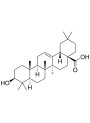
- Oil Phase: Salicylic Acid, Isopentyldiol, Oleanolic acid
- What percentage of Isopentyldiol should be used to dissolve 1% Oleanolic acid?
- Is a pH of 3-4 suitable for this specific formula?
- Can the following BHA gel formula generally be mixed?
Answer
Knowledge on Adding Ingredients to BHA Toner
Here are the answers to your questions based on the information provided:
Is litmus paper sufficient for measuring pH in DIY formulations, especially for exfoliants?
- For DIY purposes, using litmus paper is sufficient as it helps you determine the approximate pH range of your formulation. This is generally adequate for basic checks to ensure the pH is within a suitable range for your ingredients.
- Regarding exfoliants, some like AHA are pH-dependent and require an acidic pH to be effective. However, other exfoliants might be pH-independent and work regardless of the pH.
Will adding ingredients with pH 4-6 to a BHA Toner with pH 3-4 negatively affect the active ingredients?
- Generally, most active ingredients in cosmetic formulations are stable and function well within a pH range of approximately 3.5-6.5.
- Adding ingredients with a pH in the range of 4-6 to a BHA Toner with a pH of around 3-4 is typically acceptable and unlikely to cause rapid or significant degradation of the active ingredients. While the pH of the added ingredients might differ slightly, the final pH of the combined formula will settle into a range suitable for BHA (usually 3-4 for efficacy and skin penetration), and most other active ingredients should remain stable within this range.
- Stability issues usually become pronounced when the pH is significantly below 3 or above 7.5, where most ingredients can degrade more quickly.
Can the provided BHA gel formula be mixed, and what percentage of Isopentyldiol should be used to dissolve Oleanolic acid?
- The formula you provided can generally be mixed. However, some ingredients are electrolytes (such as Dipotassium Glycyrrhizate, Calcium Pantothenate, NaturePreserve™/Gluconolactone) which can make gelling or emulsification more challenging, especially with lower percentages of Satin Cream Maker and TaraGel.
- Recommended adjustments based on staff advice:
- It is recommended to increase the percentage of Satin Cream Maker to 1.2% and TaraGel™ to 0.5-0.6% to improve the stability and gelling properties of the formula.
- Mixing procedure: Hydrate TaraGel™ in the water phase first, and then add Satin Cream Maker.
- Percentage of Isopentyldiol for dissolving Oleanolic acid:
- The staff suggests that using Isopentyldiol at 5% should be sufficient to dissolve 1% Oleanolic acid.
- However, this is a separate mixing step. It is recommended to gradually add Oleanolic acid to 5% Isopentyldiol and observe if it dissolves completely. If not, gradually increase the percentage of Isopentyldiol until the Oleanolic acid is fully dissolved. Use the minimum amount necessary for complete dissolution.
- pH 3-4 for this formula: A pH of around 3-4 is considered suitable for a formula containing BHA (Salicylic Acid) to ensure its effectiveness, and most other active ingredients in this formula should be stable within this pH range.
Hope this information is helpful for your DIY BHA Toner/Gel formulation.
Related Products Mentioned
Sea Kelp Extract
Cosmetics
Natural Bisabolol (Brazil Chamomile)
Cosmetics
Salicylic Acid (BHA, Pharma Grade)
Cosmetics
Disodium EDTA
Cosmetics
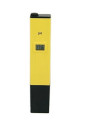
Digital pH meter (temporary use)
Equipment
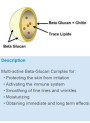

Satin Cream Maker™
Cosmetics

pH test paper (litmus) 4 colored dots
Equipment
Natural PHA (Gluconolactone)
Cosmetics
Purified Water, TDS Limit 1PPM)
Cosmetics
Grape Seed Extract (Proanthocyanidins)
Cosmetics
Pure-EGCG™ (Green Tea Extract, 98% EGCG)
Cosmetics
Isopentyldiol
Cosmetics
Calcium Pantothenate
Cosmetics
Alaria Esculenta Extract
Cosmetics

Oat Avenanthramides (100ppm Solution)
Cosmetics