DIY Bio-Oil Formulation and Adding Whitening Agents
Question
I want to make a DIY version of Bio-Oil. I have a list of ingredients:
- Paraffinum Liquidum
- Triisononanoin
- Cetearyl Ethylhexanoate
- Isopropyl Myristate
- Retinyl Palmitate
- Tocopheryl Acetate
- Anthemis Nobilis Flower Oil
- Lavandula Angustifolia Oil
- Rosmarinus Officinalis Leaf Oil
- Calendula Officinalis Flower Extract
- Glycine Soja Oil
- Helianthus Annuus Seed Oil
- BHT
- Bisabolol
- Parfum
- Alpha-Isomethyl Ionone
- Amyl Cinnamal
- Benzyl Salicylate
- Citronellol
- Coumarin
- Eugenol
- Farnesol
- Geraniol
- Hexyl Cinnamal
- Hydroxycitronellal
- Isoeugenol
- Limonene
- Linalool
- CI 26100
- How should I determine the best percentage ratio for each ingredient?
- For ingredients without a purchase link, can I omit them, or are there comparable alternatives? Specifically, are Triisononanoin, Isopropyl Myristate, and BHT available?
- How can I add skin whitening properties to this oil-based formula? What oil-soluble whitening agents are suitable?
Answer
DIY Bio-Oil Formulation
1. Determining Ingredient Percentages
The exact percentages used in the original Bio-Oil formula are proprietary and not publicly disclosed. The ingredient list you provided is ordered from highest concentration to lowest, which gives a general idea of the proportions. To create your own version, you should refer to the recommended usage rates for each ingredient available on their respective product pages. You can start with the base oils (like Mineral Oil, Triisononanoin, Cetearyl Ethylhexanoate, Soybean Oil, Sunflower Oil, Isopropyl Myristate) making up the majority of the formula (e.g., 95-99%), and then add the plant extracts, vitamins, Bisabolol, BHT, fragrance, and colorant at their recommended low percentages.
2. Ingredients Without Purchase Links and Substitutions
For the ingredients you listed, most are available or have suitable alternatives:
- Available: Calendula Officinalis Flower Extract (available as Calendula Oil (Infused)), Lavandula Angustifolia Oil (Lavender Essential Oil), Rosmarinus Officinalis Leaf Oil (Rosemary Essential Oil), Anthemis Nobilis Flower Oil (Chamomile Essential Oil (Roman)), Retinyl Palmitate (Vitamin A Palmitate), Tocopheryl Acetate (Vitamin E), Paraffinum Liquidum (Mineral Oil), Triisononanoin, Cetearyl Ethylhexanoate, Glycine Soja Oil (Soybean Oil), Helianthus Annuus Seed Oil (Sunflower Oil), BHT, Bisabolol (Natural Bisabolol).
- Isopropyl Myristate: As noted by the staff, Isopropyl Myristate can potentially clog pores. You can choose to omit this ingredient or substitute it with other lightweight, non-comedogenic oils or esters if desired.
- Fragrance Components (Parfum, Alpha-Isomethyl Ionone, Amyl Cinnamal, etc.): These are typically components of a pre-mixed fragrance oil (Parfum). You can select a fragrance oil of your choice and add it at the recommended usage rate for fragrance in oils. The individual components listed are part of the scent profile and not typically added separately in a DIY context unless you are creating your own complex fragrance blend.
- Colorant (CI 26100): This is a color additive. It is optional and can be omitted if you do not wish to color your oil. If you want to add color, use a very low percentage suitable for oil-based products.
You can certainly omit ingredients that you don't want to include or cannot source, especially the fragrance components and colorant which are primarily for sensory appeal rather than skin benefit. For base oils like Isopropyl Myristate, substituting with another oil is a good approach if you are concerned about pore clogging.
3. Adding Whitening Properties
To add skin whitening properties to this oil-based formula, you should choose oil-soluble whitening agents. Some effective oil-soluble options include:
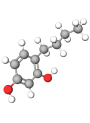
- Activated Resorcinol: This is a potent skin brightening agent that works by inhibiting tyrosinase activity. It is oil-soluble and typically used at a rate of 0.1-1.0% in leave-on products.
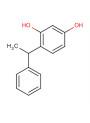
- Phenylethyl Resorcinol: Also known as SymWhite 377, this is another effective tyrosinase inhibitor with antioxidant properties. It is oil-soluble and recommended for use at 0.1-1.0% (typically 0.5%).
- ChromaWhite™: This ingredient inhibits tyrosinase and reduces melanin production. It is oil-soluble and used at 0.1-0.5%.
- SclareoWhite™: This ingredient helps reduce pigmentation, especially UV-induced darkening. It is oil-soluble and used at a low rate of 0.1-0.2%.
You can incorporate one or a combination of these oil-soluble whitening agents into your oil blend at their recommended usage rates. Ensure they are fully dissolved in the oil phase. Adding water-soluble whitening agents would require adding an emulsifier to create an emulsion (like a lotion or cream), which would change the product type from a pure oil.
Remember to always follow safe manufacturing practices and test your final product on a small area of skin before widespread use.
Related Products Mentioned
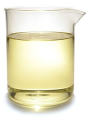
Vitamin E (Tocopheryl Acetate)
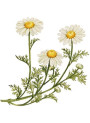
Natural Bisabolol (Brazil Chamomile)
LipidSoft™ CC (Cetyl Ethylhexanoate)

Protease Enzyme
Trisiloxane
Kukui Nut Oil
Rose Petal
Butylated Hydroxytoluene (BHT)
Isopropyl Myristate (Deodorized)

Triisononanoin
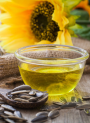
Sunflower Oil (High Omega, Refined)
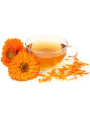
Calendula Oil (Infused)