DIY Body Lotion similar to Eucerin White Therapy
Question
I would like to create a DIY body lotion that is similar to the commercial product Eucerin White Therapy Body Lotion.
Based on its ingredient list, I'm interested in mimicking its key properties, particularly:
- The whitening effect derived from Licorice Extract (specifically Glabridin).
- The soothing and oil control properties from Licochalcone A.
- The overall texture and mild scent.
Could you please provide guidance on how to formulate a similar lotion using ingredients available from MySkinRecipes?
Specifically, I need advice on:
- Identifying suitable MySkinRecipes ingredients to replicate the base (e.g., Mineral Oil, Cetearyl Alcohol, emulsifiers, thickeners, humectants, preservatives) and their recommended usage rates.
- Selecting the appropriate form and concentration of Licorice Extract (Glabridin-rich and Licochalcone A-rich) from MySkinRecipes for the desired effects.
- Incorporating other beneficial ingredients like Vitamin E.
- Considering alternative whitening agents (like Kojic Acid) or base oils (like Jojoba Oil).
- Understanding the basic formulation approach and steps (combining phases, emulsification, cooling) to achieve a stable lotion texture.
- Addressing minor components like sunscreen (Ethylhexyl Methoxycinnamate) and scent.
I want to understand how to create a functional lotion with similar benefits and feel, while potentially managing costs compared to the commercial product.
Answer
DIY Eucerin White Therapy Style Body Lotion
Based on the ingredient list you provided and the helpful discussion thread, the Eucerin lotion has a relatively simple base and relies heavily on the quality and specific components of the Licorice Root Extract, namely Glabridin (for whitening) and Licochalcone A (for soothing and oil control).
Here's a breakdown of how you can approach creating a similar lotion using ingredients available on MySkinRecipes:
Base Lotion Ingredients
The base of the Eucerin lotion includes:
- Mineral Oil (Paraffinum Liquidum): This is a basic emollient that provides a smooth feel and prevents water loss. MySkinRecipes offers different viscosities like Mineral Oil (Paraffinum Liquidum) Light (26cst) or Mineral Oil (Paraffinum Liquidum) Heavy (68cst).
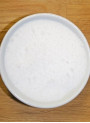
- Cetearyl Alcohol: This acts as a thickener and helps stabilize the emulsion (cream/lotion). Cetearyl Alcohol (50/50, e.q. Lanette O) is available.
- Other basic components like water (Aqua), Glycerine (a humectant), emulsifiers (Glyceryl Stearate SE, PEG-40 Castor Oil, Sodium Cetearyl Sulfate), thickeners (Carbomer), and preservatives (Phenoxyethanol, Parabens, BHT, Trisodium EDTA). You would need a suitable Cream Maker or emulsifier system to combine the water and oil phases, along with a thickener and broad-spectrum preservative system.
Key Active Ingredient: Licorice Extract
The core active is Glycyrrhiza Inflata Root Extract. The discussion points out that its effectiveness depends on the concentration of specific compounds:
- Glabridin: Primarily for skin whitening by inhibiting melanin production. MySkinRecipes offers several options:
- Pure-Glabridin™ Licorice Extract (Glabridin 90%): A highly concentrated powder. It needs to be dissolved in Butylene Glycol or Ethanol before adding to the formula. Use at a low rate (0.02-0.1%).
- Hi-Glabridin™ Licorice Extract (Glabridin 40%): Another concentrated powder, also requiring dissolution in Butylene Glycol or Ethanol. Use at a low rate (0.02-0.1%).
- Licorice Extract (Glabridin 4.5%, Water-Soluble): A water-soluble liquid extract, easier to use as it dissolves directly in water. Use at 1-2%.
- Licochalcone A: Primarily for soothing, reducing inflammation, redness, and controlling oiliness. It is not for whitening. MySkinRecipes offers:
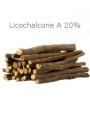
- Hi-LiconeA™ Licorice Extract (Licochalcone A 20%): A concentrated powder that needs to be dissolved in Glycol (like Propylene Glycol) before adding to the formula. Use at 0.1-0.3%.
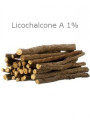
- Licorice Extract (Licochalcone A 1%, Water-Soluble): A water-soluble liquid extract, easy to use. Use at 0.5-3%.
To mimic the Eucerin lotion's reported benefits (whitening + soothing), you would ideally use a combination of a Glabridin-rich extract and a Licochalcone A-rich extract. The choice between powder and water-soluble liquid forms depends on your formulation expertise and desired ease of use.
Other Beneficial Ingredients
- Vitamin E (Tocopheryl Acetate): Included in the original formula and available on MySkinRecipes. It acts as an antioxidant for the skin and helps protect the formula. Recommended usage rate is 0.1-1%.
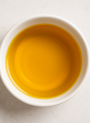
- Alternative Oils: While Mineral Oil is in the original, you could substitute or combine it with beneficial natural oils like Jojoba Oil (Golden - Deodorized) for added skin nourishment, as suggested in the discussion.
Whitening Alternatives
If high-concentration Glabridin is too expensive or difficult to source/formulate with, you could consider other proven whitening agents available on MySkinRecipes, such as:
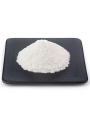
- Kojic Acid Dipalmitate: A stable derivative of Kojic Acid, soluble in oil. Use at 1-5%.
- Kojic Acid: A traditional whitening agent, water-soluble but less stable than the dipalmitate form. Use at 0.1-2.0%.
Sunscreen
The original lotion contains Ethylhexyl Methoxycinnamate (OMC) for SPF 7. This provides minimal UVB protection. You can choose to include a sunscreen agent or omit it depending on your needs. If you want sun protection, consider using broader-spectrum UVA/UVB filters.
Scent
The "mild scent" of the original lotion likely comes from the raw materials themselves or a small amount of added cosmetic fragrance. When making your own, the scent will depend on the ingredients you choose (e.g., unrefined oils might have a scent). You can add a small amount of cosmetic-grade fragrance if desired, following recommended usage rates.
Formulation Approach
- Choose your base ingredients: Select a Mineral Oil or other base oil, Cetearyl Alcohol, a suitable Cream Maker/emulsifier, thickener, humectant (like Glycerine), and a preservative system.
- Select your active ingredients: Choose a Glabridin source (e.g., Licorice Extract (Glabridin 4.5%, Water-Soluble) for ease of use) and a Licochalcone A source (e.g., Licorice Extract (Licochalcone A 1%, Water-Soluble)).
- Add Vitamin E: Include Vitamin E (Tocopheryl Acetate).
- Combine and Emulsify: Follow standard cosmetic formulation procedures for creating an emulsion, typically involving heating the oil and water phases separately with emulsifiers and thickeners, then combining and mixing until a stable lotion forms. Add heat-sensitive ingredients like extracts and preservatives during the cooling phase.
- Adjust Texture: Adjust the amount of Cetearyl Alcohol and thickener to achieve your desired lotion consistency.
- Add Scent (Optional): Add a small amount of cosmetic fragrance if you want a specific scent.
Creating a formula requires careful measurement and understanding of ingredient compatibility and mixing procedures. It's recommended to start with small test batches.
Remember that achieving the exact feel and performance of a commercial product like Eucerin can be challenging and may require experimentation. However, by selecting similar ingredient types and focusing on the key actives like Licorice extract components, you can create a beneficial and cost-effective alternative.
Related Products Mentioned
Vitamin E (Tocopheryl Acetate)
Jojoba Oil (Golden - Deodorized)
Kojic Acid Dipalmitate
Cetearyl Alcohol (50/50, e.q. Lanette O)