DIY Brightening Serum Formulation based on Bakel Thio-c
Question
I want to make a DIY serum similar to Bakel Thio-c using the following ingredients:
Hamamelis virginiana waterAscorbic acidGlycerinGlutathioneHydroxyethyl celluloseEthyl lauroyl arginate HCl
Could you please advise on the typical usage percentages for these ingredients in a serum formulation and any important considerations?
Answer
DIY Serum Formulation based on Bakel Thio-c
Hello! It's great that you found a product you love and are inspired to create your own version. DIY formulation can be a rewarding process, especially when you know which ingredients work well for your skin.
The ingredients you listed are indeed excellent choices for a serum targeting brightening and even skin tone, particularly for combination skin.
Let's look at the ingredients you mentioned and typical usage percentages, along with some notes based on their properties:
- Hamamelis virginiana water (Witch Hazel): This acts as the main base (solvent) and provides soothing and astringent properties. You can use this as the primary liquid component, making up the majority of your formula, perhaps 50-80% or more, depending on the concentration of other ingredients.
- Ascorbic acid (L-Ascorbic Acid): This is a potent antioxidant and skin brightener. Typical effective concentrations range from 5% to 20%. For a DIY formula, starting in the 10-15% range is common. Crucially, L-Ascorbic Acid is highly unstable in water. It oxidizes quickly when exposed to light, air, and heat. This is why products like Bakel's Thio-c are packaged separately to be mixed just before use and have a short shelf life after mixing. To help with stability and skin absorption, the final serum pH should be acidic, ideally between 2.5 and 3.5 (note: FDA requires leave-on products to have a pH of at least 3.5). Using a pH meter is highly recommended.
- Glycerin: A humectant that draws moisture into the skin, providing hydration. It also helps dissolve other ingredients. A typical range is 1-10%. Using too much can make the serum feel sticky.
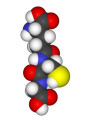
- Glutathione: An antioxidant that can also contribute to skin brightening. It may help slightly with Vitamin C stability in water at higher concentrations. A common usage rate is 1-3%. For whitening, 2% is often used. Some research suggests a 1:10 ratio with L-Ascorbic Acid might help stability, but L-Ascorbic Acid instability remains the primary challenge.
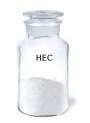
- Hydroxyethyl cellulose: This is a gelling agent or thickener, used to create the serum's texture. It is not an emollient. Usage is typically low, around 0.1-2%, depending on the desired viscosity.
- Ethyl lauroyl arginate HCl: This ingredient is primarily used as a preservative to prevent microbial growth in water-based formulas. It is essential for product safety. While you listed it as an emollient, its main function here is preservation. The usage rate depends on the supplier's recommendation, often around 0.1-0.5%. Ensuring your DIY product is properly preserved is vital.
Suggested Starting Percentage Ranges (for experimentation):
- Hamamelis virginiana water: q.s. (add to 100%)
- Ascorbic acid: 10-15%
- Glycerin: 3-5%
- Glutathione: 1-2%
- Hydroxyethyl cellulose: 0.5-1% (adjust for desired thickness)
- Ethyl lauroyl arginate HCl (or other cosmetic preservative): 0.2-0.5% (follow supplier's guidance)
Important Considerations for DIY:
- L-Ascorbic Acid Stability: As mentioned, this is the biggest hurdle. Making small batches that you can use quickly (like the original product's 3-day recommendation) and storing them in a cool, dark place (like a refrigerator) will help. Adjusting the pH is also critical.
- Hygiene: Ensure all your equipment and containers are thoroughly cleaned and sanitized to prevent bacterial contamination.
- Experimentation: DIY formulation requires testing and adjustment to find what works best.
Alternative or Additional Ingredients from the Store:
Based on the previous discussion and your goal for whitening and even tone, consider adding:
- Ferulic Acid: This antioxidant works synergistically with Vitamin C and can help enhance its stability and photoprotection. It's typically used at 0.5-1%. Note that Ferulic Acid needs a solvent like Ethoxydiglycol or ethanol to dissolve before adding to the water phase.
- Ethoxydiglycol: This is a penetration enhancer and solvent that can help deliver active ingredients like Vitamin C and Ferulic Acid into the skin more effectively. It can also help dissolve Ferulic Acid. Usage is typically 1-10% (subject to regulatory limits). Using it with Ferulic Acid is a common practice in stable Vitamin C serums.
If you add Ferulic Acid and Ethoxydiglycol, you would adjust the percentage of Hamamelis water accordingly.
Other ingredients from the store that are popular for brightening and evening skin tone include Niacinamide, Alpha Arbutin, and Tranexamic Acid. However, incorporating more active ingredients can increase the complexity of formulation and potential compatibility issues. For a start, focusing on the core ingredients plus Ferulic Acid and Ethoxydiglycol might be a good approach.
Remember to always perform a patch test on a small area of skin before applying any new DIY product to your face.
Good luck with your DIY serum project!
Related Products Mentioned
Pure-Ferulic Acid™
Vitamin C (L-ascorbic acid) (Ultra-Fine)
Ethoxydiglycol (e.q. Transcutol)
Glycerin (USP/Food Grade)
Glutathione (L-Glutathione) (Extrasol)