DIY Cleansing Oil Formulation: Ingredient Alternatives, Process, and Stability
Question
I am formulating a DIY cleansing oil similar to THREE Balancing Cleansing Oil. I have several questions regarding ingredient choices, alternatives, mixing steps, heating, preservation, and a specific ingredient unavailability:
- Could you advise on the use of Mineral Oil/LipidSoft™ emollients versus natural oils, considering comedogenicity and cost? Which LipidSoft™ (Palm, CC, Moist) is best for texture in this formula?
- What are the differences between Propylene Glycol, Butylene Glycol, and 1,2-Hexanediol, and can they be used interchangeably in this formula?
- Are there alternatives for Oilsify 15 (PEG-20 Glyceryl Triisostearate / PEG-12 Isostearate)?
- I have revised my formula by removing Shea Butter, Beeswax, and Soy Lecithin, and adjusting Vitamin C Ester. Is this revised approach correct?
- Are my mixing steps correct, especially regarding heating the oil phase? What is the proper method for heating the oil phase (e.g., water bath)?
- Is a preservative like Phenoxyethanol necessary in an oil-based cleansing formula, considering potential water contact?
- Is there an alternative for Oil Blender (Polyglyceryl-3 Diisostearate) that helps prevent oil separation, as it is currently unavailable?
- My formula includes Flaxseed Oil, Vitamin C Ester, Tea Tree Oil, and Vitamin E. Are these compatible and stable in this type of formulation?
Answer
DIY Cleansing Oil Formulation
Creating your own cleansing oil similar to a favorite brand like THREE Balancing Cleansing Oil is a great way to customize ingredients and potentially reduce cost. Based on the ingredients you've identified and your proposed formula, here's a guide to help you:
Ingredient Considerations
- Mineral Oil vs. Natural Oils: Cosmetic-grade mineral oil is generally considered non-comedogenic and safe for skin. The idea that it clogs pores more than natural oils is often a misunderstanding; proper cleansing to remove all residue is key regardless of the oil type. Natural oils vary in comedogenicity, so choosing oils suitable for your skin type is important. You can use a mix of Mineral Oil or cost-effective LipidSoft™ emollients with other natural oils to balance cost and benefits.
- Propylene Glycol vs. Butylene Glycol: Both are effective humectants and solvents. Butylene Glycol is sometimes preferred for its slightly milder profile, but Propylene Glycol is also safe and widely used. You can use either in your formula depending on your preference and budget.
- LipidSoft™ Emollients: LipidSoft™ Palm, LipidSoft™ CC, and LipidSoft™ Moist are all suitable emollients for a cleansing oil. They primarily affect the texture and feel of the product. Choose the one that gives you the preferred skin feel – Palm is standard, CC is drier/silkier, and Moist is richer.
- PEG-20 Glyceryl Triisostearate / PEG-12 Isostearate Alternatives: Oilsify 15 is PEG-20 Glyceryl Triisostearate. If you need alternatives, look for other oil-soluble non-ionic emulsifiers or solubilizers like Polyglyceryl-2 Triisostearate or Polyglyceryl-2 Diisostearate, although performance may vary.
- Propylene Glycol / 1,2-Hexanediol: 1,2-Hexanediol can be used as an alternative to Propylene Glycol. It functions as a humectant and offers mild antimicrobial properties, which can be beneficial.
Your Revised Formula and Proportions
Your revised formula is a good starting point, incorporating the feedback to reduce ingredients that can cause thickening or sedimentation at high levels (Shea Butter, Beeswax, Soy Lecithin) and adjusting Vitamin C Ester. The balance of oils and Oilsify 15 should create an effective cleansing oil.
Note that Flaxseed Oil is prone to oxidation. Ensure your final product is stored in an airtight container away from light and heat.
Mixing Steps
Your revised mixing steps are correct:
- Combine the main oil phase ingredients and Oilsify 15.
- Heat this mixture to around 75°C to ensure all components, especially those that might be solid or semi-solid or require heat for proper blending (like Vitamin C Ester, though it's added later, ensuring the base is warm helps), are fully dissolved and the mixture is uniform.
- Allow the mixture to cool.
- Add heat-sensitive ingredients like Vitamin C Ester, Tea Tree Oil, and Vitamin E when the mixture has cooled sufficiently (refer to specific ingredient guidelines, often below 40°C for Vitamin C Ester and close to room temperature for volatile oils like Tea Tree Oil and Vitamin E).
Heating the Oil Phase
Heating the oil phase is done using a water bath. Place your container with the oil mixture in a larger pot or beaker filled with water and heat the water. Use a thermometer to monitor the temperature of your oil mixture. This ensures even heating and prevents overheating, which can damage some ingredients.
Preservatives
While oil-only formulas are less susceptible to microbial growth than water-based products, contamination during use is possible. Phenoxyethanol is a preservative that protects against bacteria, yeast, and mold. For safety and to ensure a longer shelf life, especially if the product might come into contact with water during use, including a preservative is recommended. If you choose not to use a preservative, make very small batches and store them carefully, accepting a shorter shelf life and higher risk of spoilage.
Oil Blender Alternative
The staff confirmed that Oil Blender (Polyglyceryl-3 Diisostearate), which helps prevent oil separation, is currently out of stock with no direct alternative available in their inventory. If your formula separates without it, you will need to shake the product before each use.
Related Products Mentioned
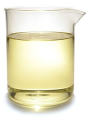
Vitamin E (Tocopheryl Acetate)
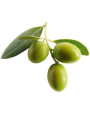
Olive Oil (Extra Virgin)
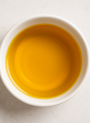
Jojoba Oil (Golden - Deodorized)
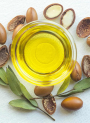
Argan Oil (Virgin - Deodorized)
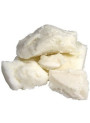
Shea Butter (Refined , Deodorised)
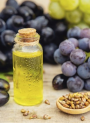
Squalane (Olive)
Vitamin E (dl-alpha tocopherol)
Propylene Glycol (USP)
Phenoxyethanol (Extra Pure)
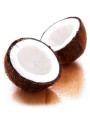
Fractionated Coconut Oil
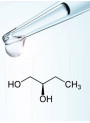
Butylene Glycol
LipidSoft™ CC (Cetyl Ethylhexanoate)

LipidSoft™ Palm (Ethylhexyl palmitate)



LipidSoft™ Moist (Triethylhexanoin)
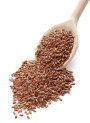
Flaxseed Oil (High Omega, Cold-Pressed)


Pentylene Glycol (Low-Odor)