DIY Cosmetics for Acne: Getting Started with BHA Formulation
Question
I'm a beginner interested in mixing my own cosmetic ingredients, especially for acne treatment using BHA. What knowledge and equipment do I need to get started safely and effectively? Could you also provide information on different forms of Salicylic Acid (BHA) and related ingredients like LHA, including how to work with them (e.g., solubility, solvents like Propylene Glycol or Alcohol), and mention specific product names like Salicylic Acid (BHA), Complex Salicylic Acid (Powder, Water-Soluble), ActiveRelease™ Salicylic Acid (Powder, Water-Soluble), and Encapsulated Salicylic Acid (Liquid, Timed-Release, Wash-Off)? Also, please include information about related ingredients like Capryloyl Salicylic Acid (LHA) and Willow Bark Extract. What are the key safety considerations, such as FDA concentration limits for Salicylic Acid (e.g., 2% for leave-on, 3% for wash-off)?
Answer
Getting Started with DIY Cosmetics for Acne
It's great that you're interested in mixing your own cosmetic ingredients to address acne, especially using ingredients like BHA. This can indeed be a way to customize your skincare and potentially save costs. As the staff member mentioned, the resource on MySkinRecipes.com is a valuable starting point.
To successfully and safely mix your own cosmetic ingredients, here are the key things you need to know and the equipment you'll need:
Knowledge Needed
- Ingredient Properties: Understand what each ingredient does, its recommended usage rate, solubility (e.g., water-soluble, oil-soluble), pH requirements, and any incompatibilities with other ingredients.
- Basic Formulation Principles: Learn about different types of cosmetic formulations (e.g., serums, creams, gels), how to combine water and oil phases (if making emulsions), and the role of different ingredient categories (actives, thickeners, preservatives, etc.).
- Calculations: You'll need to accurately calculate the percentage of each ingredient in your formula to ensure effectiveness and safety. This involves using a scale to measure ingredients by weight.
- Hygiene and Sterilization: Proper sanitation is crucial to prevent bacterial contamination, which can ruin your product and harm your skin. Learn how to clean and sterilize your equipment and workspace.
- Safety and Regulations: Be aware of the maximum allowed concentration for certain ingredients (like Salicylic Acid, which has an FDA limit of 2% for leave-on products). Always research the safety data for each ingredient.
Essential Equipment
- Precise Scale: A digital scale that can measure in grams to at least two decimal places is essential for accurate formulation.
- Beakers and Graduated Cylinders: For measuring liquids accurately.
- Mixing Tools: Glass stirring rods, spatulas, or a small electric mixer depending on the batch size and viscosity.
- Containers: Clean, sterilized jars or bottles for your finished product.
- Thermometer: If your formula requires heating ingredients.
- pH Meter or pH Strips: Crucial for checking and adjusting the pH of your final product, as the effectiveness and safety of many ingredients (especially acids like BHA) are pH-dependent.
- Safety Gear: Gloves and safety goggles to protect yourself.
About BHA (Salicylic Acid) and Related Ingredients
You're interested in BHA, which is Salicylic Acid. It's effective for acne because it can exfoliate the skin and penetrate oil to help unclog pores. It's important to know that Salicylic Acid comes in different forms:
- Basic Salicylic Acid Powder: This form (like Salicylic Acid (BHA)) is not easily soluble in water and often requires specific solvents like propylene glycol or alcohol to dissolve before adding to a water-based formula.
- Water-Soluble Forms: There are modified versions like Complex Salicylic Acid (Powder, Water-Soluble) or ActiveRelease™ Salicylic Acid (Powder, Water-Soluble) that are designed to dissolve directly in water, making formulation easier.
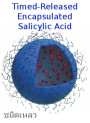
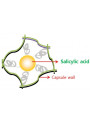
- Timed-Release/Encapsulated Forms: Some, like Encapsulated Salicylic Acid (Liquid, Timed-Release, Wash-Off), release the active ingredient slowly, which can reduce irritation, and some are specifically designed for wash-off products.
- Related Ingredients: Capryloyl Salicylic Acid (LHA) is another ingredient similar to BHA that is oil-soluble and often considered gentler, also effective for exfoliation and acne.
- Natural Sources: Willow Bark Extract also contains natural salicylates and can offer similar benefits with potentially less irritation.
Always check the specific product description for the recommended usage rate, solubility, and mixing instructions for the type of Salicylic Acid or other ingredient you choose.
Starting with simple formulas (like a basic serum or gel) with a limited number of ingredients is recommended for beginners. Always start with low concentrations of active ingredients and patch test on a small area of skin before applying to your face.
Learning the basics will help you create safe and effective products tailored to your skin's needs. Good luck with your DIY journey!
Related Products Mentioned