DIY Cream for Atopic Dermatitis and Natural Extracts in Soap
Question
I would like to create a cost-effective cream for my daughter's atopic dermatitis, similar to commercial products like Atopiclair and Physiogel AI, and also incorporate Aloe Vera. Could you provide guidance on:
- Key beneficial ingredients found in such products (like Glycyrrhetinic acid, Palmitamide MEA, Hyaluronic Acid, Shea Butter, Squalane, Betaine, Allantoin)?
- How to formulate a cream base and incorporate these active ingredients?
- What kind of preservative is suitable for such a cream?
- Is adding Aloe Vera Extract beneficial and how should it be added?
Additionally, I have a question about adding natural extracts to a glycerin bar soap base. Is this effective, and what are the considerations regarding pH and preservation?
Answer
Creating a Cream for Atopic Dermatitis: Combining Atopiclair, Physiogel AI, and Aloe Vera
It's understandable to want to create a cost-effective cream for your daughter's atopic dermatitis, especially when commercial options are expensive. Combining beneficial ingredients from products like Atopiclair and Physiogel AI with soothing Aloe Vera is a good approach. While providing an exact formula with precise percentages is complex, here's a guide to the key ingredients and considerations based on the products you mentioned and your interest in Aloe Vera.
Key Beneficial Ingredients:
- Glycyrrhetinic acid (Enoxolone): An anti-inflammatory and anti-irritant from licorice, helpful for calming redness. (Typical usage: 0.1-3%)
- Palmitamide MEA (PEA): An anti-inflammatory ingredient found in Physiogel AI, known for reducing irritation and strengthening the skin barrier. (Typical usage: 0.5-5.0%, recommended 1.0%)
- Hyaluronic Acid: A powerful moisturizer that attracts water to the skin. Using different molecular sizes (Small, Standard, Large) can provide hydration to various skin layers. (Total typical usage for dry skin: 0.1-0.5%)
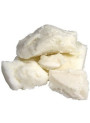
- Shea Butter: A rich emollient that deeply moisturizes and helps repair the skin barrier. (Typical usage in cream: varies depending on desired texture)
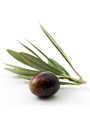
- Squalane (Olive): A lightweight, fast-absorbing oil that moisturizes and softens the skin, similar to natural skin lipids. (Typical usage in cream: varies)
- Betaine (Natural): Provides moisture, reduces irritation, and supports the skin barrier. (Typical usage: 2-10%)
- Allantoin: Soothes irritation, reduces redness, and promotes skin healing. (Typical usage: 0.1-2.0%, recommended 0.5%)
- Aloe Vera Extract: Soothing and moisturizing, can improve skin texture. (Typical usage: 1-10%)
Formulating Your Cream:
To create a cream, you will need a base that combines water and oil phases using emulsifiers. Common base ingredients include water, humectants like Glycerin, Butylene Glycol, or Pentylene Glycol, emollients like Shea Butter, Squalane, and Ethylhexyl Palmitate, and thickeners like Carbomer, stabilized with ingredients like Glyceryl Stearate. You would incorporate the key active ingredients listed above into this base.
Preservative for Cream:
A preservative is essential to prevent microbial growth in any cream containing water. Phenoxyethanol (Extra Pure) is a widely used and generally safe option, typically used at a concentration of 0.5-1.0%. Always follow the supplier's specific instructions for the raw material.
Adding Aloe Vera:
Yes, adding Aloe Vera Extract is suitable and can be beneficial for its soothing and moisturizing properties. Use a pure extract free from irritating additives.
Soap and Natural Extracts:
Regarding your question about adding natural extracts to glycerin bar soap: Traditional bar soaps have a high alkaline pH. This high pH can degrade many natural extracts, reducing their effectiveness. While a preservative like Phenoxyethanol (Extra Pure) can preserve the soap base itself, it won't prevent the degradation of pH-sensitive natural ingredients in that environment. For effective use of natural extracts, a cleansing product formulated at a lower, skin-friendly pH (like pH 5.5) would be more appropriate, though this requires a different type of formulation than a simple melt-and-pour glycerin base.
Related Products Mentioned
Allantoin
Shea Butter (Refined , Deodorised)
Squalane (Olive)
Glycerin (USP/Food Grade)
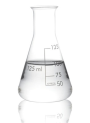
Phenoxyethanol (Extra Pure)
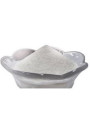
Natural Betaine (Crystal)
Shea Butter (Ultra Soft)
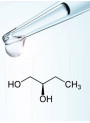
Butylene Glycol
LipidSoft™ Palm (Ethylhexyl palmitate)
Carbomer 940 (EasyDisperse™, France)
Glycyrrhetinic acid (Enoxolone)