DIY Facial Cream Formulation Review: Compatibility and Adjustments for Skin Health, Brightening, and Acne
Question
Could you please review the ingredient compatibility for my DIY facial cream formulation? I want the cream to help strengthen the skin, provide moisture, reduce acne, brighten the skin, and reduce skin yellowness.
Here is my proposed formulation:
Part A (Hot Process 50°C)
- Water: 10%
- Sodium Lactate Plus: 3%
- Ectoine: 1%
Part B (Hot Process 50°C)
- Sensitive Cream Maker: 1%
- LipidSoft Lite: 1%
- Horse Oil: 2%
Part C
- Remaining Water: %
- Repair Activator: 10%
- Plankton Artemia Extract: 2%
- Ume Extract: 2%
- 20nm Silver Pure: 1%
- Licochalcone A 20%: 0.5%
- Sym-White: 0.5%
Part D
- Aquamax: 3% (Thickener)
Part E
- Preservative: 0.7%
Answer
Formulation Assessment and Recommendations
Here is an assessment of your facial cream formulation and suggestions for optimizing it to meet your skin goals (skin strengthening, moisturizing, acne reduction, skin brightening, and reducing yellowness).
Your formulation includes a good selection of ingredients targeting these concerns. Let's look at the compatibility and effectiveness of each part:
Formulation Analysis
Part A (Hot Process 50°C)
- Water (10%): The base of the water phase.
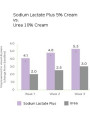
- Sodium Lactate Plus (3%): This is an excellent humectant that provides long-lasting hydration, contributing well to your moisturizing goal. It can withstand heating up to 60°C, so adding it in the hot water phase at 50°C is suitable.
- Ectoine (1%): A highly effective ingredient for skin strengthening, protection, repair, and moisturizing. It can tolerate heat up to 80°C and a wide pH range (1-9), making it compatible with the hot process.
Part B (Hot Process 50°C)
- Sensitive Cream Maker (1%): This is your primary emulsifier. While it requires heat (typically 60-70°C for Soft Cream Maker, a similar product) to form the emulsion, 50°C might be sufficient, but heating slightly higher (e.g., 60°C) might ensure better emulsification. The usage rate of 1% is on the lower side for emulsifying a 3% oil phase (LipidSoft Lite 1% + Horse Oil 2%). You might consider increasing this slightly, perhaps to 2-3%, to ensure a stable emulsion, depending on the specific Sensitive Cream Maker product's recommendations.
- LipidSoft Lite (1%): A light emollient that provides a smooth, non-greasy feel and helps with spreading. It is compatible with the oil phase and hot process.
- Horse Oil (2%): A rich emollient that helps restore moisture and improve skin texture, contributing to moisturizing and potentially reducing the appearance of wrinkles. It can withstand heat up to 60°C for a short period, so 50°C is acceptable.
Part C (Cool Down Phase)
- Remaining Water: This is where your water-soluble, heat-sensitive active ingredients are added after the emulsion has cooled.
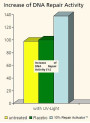
- Repair Activator (10%): Contains Bifida Ferment Lysate, known for its skin repair and anti-aging properties, contributing to skin strengthening. It should be added in the cool-down phase (avoid heat) and is stable in a pH range of 4-5.5.
- Plankton Artemia Extract (2%): Provides anti-pollution, protective, and revitalizing benefits, supporting skin strengthening and repair. It should be added in the cool-down phase and is stable within a pH range of 4-6.5.
- Ume Extract (2%): Targets skin yellowness by preventing glycation. It should be added in the cool-down phase (avoid heat >40°C) and is stable within a pH range of 4.0-6.5.
- 20nm Silver Pure (1%): Nano Silver has antimicrobial properties, which could help with acne. However, the recommended usage rate for Nano Silver powder is typically much lower (0.01-0.1%). Using 1% is a very high concentration for a leave-on product and, as it's an insoluble powder, will likely result in a gritty texture and potential stability issues (settling). It is strongly recommended to significantly reduce the concentration of Nano Silver to the recommended range (e.g., 0.05%) and ensure it is properly dispersed in the formula.
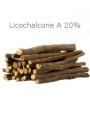
- Licochalcone A 20% (0.5%): Known for reducing inflammation, redness, oiliness, and helping with acne. It is soluble in glycols, not water. While Repair Activator is in a Butylene Glycol base, simply adding the Licochalcone A powder to the water phase in Part C might not ensure full dissolution and even distribution. It is recommended to pre-dissolve the Licochalcone A powder in a small amount of glycol (like the Butylene Glycol from the Repair Activator or additional Propylene Glycol) before adding it to Part C. The concentration of 0.5% is slightly higher than the typical recommended range (0.1-0.3%) for general acne/oiliness, but may be acceptable depending on the specific product guidelines and desired effect. It is stable within a pH range of 3.5-6.5.
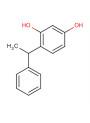
- Sym-White (0.5%): Phenylethyl Resorcinol is effective for skin brightening and reducing dark spots, contributing to your goal of lighter skin and reduced yellowness. It should be added in the final step (Part C) and is most stable within a pH range of 4-5. It requires the presence of oil in the formula to dissolve properly.
Part D
- Aquamax (3%): Assuming this is a thickener like Sepimax Zen, it helps create the cream texture. It is typically added to the water phase. The usage rate seems reasonable for thickening.
Part E
- Preservative (0.7%): Essential for preventing microbial growth. The compatibility and effectiveness of the preservative depend on the specific type used and the final pH of the formula. You need to ensure the chosen preservative is effective in the target pH range of 4-5 (for Sym-White stability) and compatible with all your ingredients.
Compatibility and Recommendations
- Mixing Procedure: Your proposed hot process for Parts A and B, followed by adding Part C ingredients during cool-down, is generally appropriate. Ensure the temperature is below 40°C before adding heat-sensitive ingredients in Part C.
- Nano Silver: The concentration of 1% is too high and will likely cause formulation issues and potential safety concerns. Reduce the concentration significantly (0.01-0.1%) and ensure proper dispersion.
- Licochalcone A: Pre-dissolve the powder in a small amount of glycol before adding to Part C.
- Emulsifier Concentration: Consider slightly increasing the Sensitive Cream Maker concentration (e.g., to 2-3%) for better stability.
- pH Adjustment: The final pH of the cream should be adjusted to pH 4-5 for optimal Sym-White stability. This range is also compatible with most of your other active ingredients in Part C. Measure and adjust the pH after adding all ingredients in Part C.
- Preservative Selection: Choose a preservative effective in the pH 4-5 range and compatible with all ingredients.
By making these adjustments, your formulation should be more stable and effective in achieving your desired skin benefits.
Related Products Mentioned
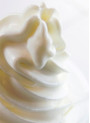
Soft Cream Maker™
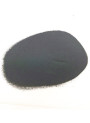
Nano Silver 20nm Powder

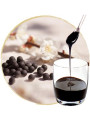
Ume Extract (Anti-Glycation)

Plankton Artemia Extract
Ectoine (Ectoin, from Bio-fermentation)
Sodium Lactate Plus

Marine Plankton (Lifting, Tightening)