DIY Gel Formulation for Seborrheic Dermatitis, Acne, and Sensitive Skin
Question
I have complex skin issues including genetic acne, oily skin, seborrheic dermatitis (causing redness and itching on my cheeks), and peeling lips. I am very sensitive and allergic to many ingredients in commercial products, including those that give a cooling sensation and petrolatum/Vaseline (which is in my current mild steroid cream). I am looking for recommendations for a gentle, non-greasy DIY gel formulation that can help soothe the dry, red, itchy areas caused by seborrheic dermatitis on my cheeks, control oil, and manage acne, as commercial creams are too strong for me.
Additionally, I had a previous question about Red Clay:
- Does Red Clay, which is described as helping exfoliate skin, also help dissolve clogged pores?
- Is Red Clay suitable for oily skin with seborrheic dermatitis?
- If suitable, what usage percentage is recommended?
Answer
Clay Mask Information
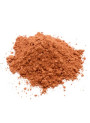
- Red Clay and Clogged Pores: Red Clay primarily helps exfoliate skin cells and absorb impurities. While exfoliation can indirectly help reduce clogged pores, Red Clay does not have a direct property to dissolve them.
- Seborrheic Dermatitis and Clay Masks: Clay masks, including Red Clay, are generally not recommended for skin with seborrheic dermatitis as they can cause dryness and potentially worsen irritation.
- "100% Usage": When a product like clay is listed as usable at 100%, it means the raw powder itself can be used undiluted. However, for a facial mask, it is typically mixed with water or other liquids to create a paste consistency for application.
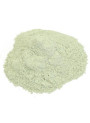
- Mixing Different Clays: Yes, different colored clays (Red Clay, Green Clay, Yellow Clay) and Bentonite clay can be mixed together. The resulting mask will have combined properties based on the specific clays used. For example, mixing an oil-absorbing clay with an exfoliating clay will create a mask with both benefits.
- Adding Beneficial Ingredients: You can add various beneficial ingredients to clay masks, such as moisturizing agents or soothing extracts, to enhance their skincare properties.
- Washing Off Clay Masks: Yes, clay masks should always be washed off after they have dried or after the recommended application time.
Regarding the stock status of specific raw materials (Eye Preserved, Red Clay, Bentonite clay), I am unable to check real-time inventory information.
DIY Gel for Sensitive, Oily, Acne-Prone Skin with Seborrheic Dermatitis
I understand your challenges with finding suitable commercial products and your interest in creating your own gel, especially given your sensitivities to ingredients like cooling agents and petrolatum/vaseline. Making your own product allows you to control the ingredients.
For your skin type, which is complex with dryness/peeling and irritation from seborrheic dermatitis, alongside oiliness and acne, a gentle, non-greasy gel focusing on soothing, barrier support, and oil control is a good approach.
Here are some suggested ingredients for a DIY gel formulation:
- Hyaluronic Acid Gel Base: This can serve as your primary base. It provides lightweight hydration without being oily.
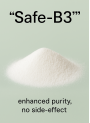
- Safe-B3™ (Niacinamide): Excellent for reducing oiliness, minimizing redness, strengthening the skin barrier, and helping with acne. Start with a concentration of 2-4%.
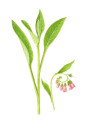
- Allantoin: A well-known soothing and anti-irritant ingredient that also helps promote skin healing. Use at approximately 0.5%.
- Sebum-Reg™ (Capryloyl Glycine): Helps control sebum production and has antibacterial properties, beneficial for oily and acne-prone skin. Use at approximately 1-2%.
- Mild Preserved™ COS: A broad-spectrum, water-soluble preservative suitable for a gel formulation. Use at approximately 0.75-1.5% to ensure product safety.
Basic Mixing Steps:
- Combine the Hyaluronic Acid Gel Base with Safe-B3™, Allantoin, and Sebum-Reg™. Stir or mix thoroughly until all ingredients are evenly dispersed.
- Add Mild Preserved™ COS to the mixture and stir again until fully incorporated.
- Transfer the finished gel into a clean container.
Important Considerations:
- Always perform a patch test on a small, inconspicuous area of skin before applying the gel to your face.
- Start with the lower recommended concentrations of active ingredients and observe how your skin responds before increasing the percentage.
- While DIY skincare can be helpful, managing a condition like seborrheic dermatitis alongside acne and sensitivity is complex. Continuing to consult with a specialized dermatologist is highly recommended for proper diagnosis and treatment guidance.
Related Products Mentioned
Safe-B3™ (Vitamin B3, Niacinamide)
Allantoin
Salicylic Acid (BHA, Pharma Grade)
Green Clay
Red Clay
Yellow Clay
Sebum-Reg™ (Capryloyl Glycine)
Hyaluronic Acid Gel Base