DIY Gel Formulation for Seborrheic Dermatitis, Sensitive, Acne-Prone Skin
Question
Regarding the recommended DIY gel formulation for seborrheic dermatitis, sensitive, acne-prone skin:
Mixing Procedure: Confirm the mixing order for the following ingredients in a 100g batch:
- Water
- Ectoine (from Bio-fermentation)
- Allantoin
- Safe-B3™ (Vitamin B3, Niacinamide)
- Hyaluronic Acid (Standard Molecule)
- Hyaluronic Acid (Nano Molecule, 800daltons)
- Micromul™ Resveratrol (Resveratrol microemulsion)
- Beta Glucan (Saccharomyces cerevisiae extract)
- Calendula Extract (Water Soluble)
Specifically, should the liquid Beta Glucan and Calendula Extract be added last, after the two types of Hyaluronic Acid have formed a gel after 3-4 hours of refrigeration?
Active Ingredient Concentration: With a total active ingredient percentage of 21.55% in a 100g batch, is this concentration too low for effectiveness? Would reducing the water content to make a 95g batch increase the concentration enough to be more effective?
Ingredient Suitability (Beta Glucan & Yeast): Given that liquid Beta Glucan is derived from yeast (Saccharomyces cerevisiae extract) and seborrheic dermatitis is sometimes linked to the yeast Pityriasis ovale, is there a risk of sensitivity or adverse reaction from using Beta Glucan in this formula for someone with seborrheic dermatitis?
Answer
Recommended DIY Gel Formulation for Seborrheic Dermatitis, Sensitive, Acne-Prone Skin (Revised)
Based on your detailed discussion and the latest recommendations from the staff, here is a revised DIY gel formulation designed for your skin concerns: seborrheic dermatitis, high sensitivity, oiliness with dehydration, and clogged pores. This formula focuses on providing hydration and soothing properties while aiming to avoid the "filmy" feeling you experienced previously.
The previous formula included Sea Kelp and Hydrolyzed Soy Protein, which were identified as potential causes for the tight, coating sensation. These have been removed in the revised recommendation. New ingredients known for their soothing and skin-strengthening benefits have been added.
Recommended DIY Gel Formula
Here are the ingredients and recommended percentages for a 100g batch:
- Water: q.s. to 100g
- Ectoine (from Bio-fermentation): 2g
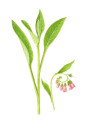
- Allantoin: 0.35g
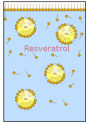
- Micromul™ Resveratrol (Resveratrol microemulsion): 5g
- Safe-B3™ (Vitamin B3, Niacinamide): 3-5g (You can start with 3g and increase up to 5g if your skin tolerates it well)
- Hyaluronic Acid (Standard Molecule): 0.8g
- Hyaluronic Acid (Nano Molecule, 800daltons): 0.5g
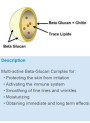
- Beta Glucan (Saccharomyces cerevisiae extract): 5g
- Calendula Extract (Water Soluble): 5g
Mixing Instructions
Follow these steps for preparing the gel:
- Combine the water with the powder ingredients (Ectoine, Allantoin, Safe-B3™). Stir until they are fully dissolved.
- Add the Hyaluronic Acid (Standard Molecule) and Hyaluronic Acid (Nano Molecule, 800daltons). Close the container and shake or stir occasionally. Refrigerate for 3-4 hours, shaking periodically, until the mixture turns into a gel.
- Once the gel has formed, add the liquid ingredients (Micromul™ Resveratrol, Beta Glucan, Calendula Extract). Stir thoroughly until all ingredients are evenly combined.
- Store the finished gel in a clean container, ideally in the refrigerator, to maintain its quality and shelf life.
Additional Questions Addressed
- Increasing Hyaluronic Acid Nano: Based on the previous discussion, the total concentration of Hyaluronic Acid (Standard and Nano combined) in your formula is already sufficient (over 1%). Increasing the Nano molecule further is not expected to provide significantly greater benefits compared to the increased cost.
- Hydrolyzed Soy Protein vs Glycine Soja Protein: If you are sensitive to ingredients that leave a coating feel on the skin, it is recommended to omit both Hydrolyzed Soy Protein and Glycine Soja Protein from the formula. Glycine Soja Protein can also create a slight coating sensation unless used at very low concentrations.
- Dexpanthenol vs Panthenol: Panthenol is also known as Provitamin B5. Dexpanthenol is the D-isomer of Panthenol (D-Panthenol), which is the biologically active form and is often referred to interchangeably with Panthenol in cosmetic contexts. The product available is D-Panthenol, which is the effective form.
- Ready-made Gel Bases (Aloe Vera Gel Base vs Double Hyaluronic Gel): Both the Aloe Vera Gel Base and the Hyaluronic Acid Gel Base can provide hydration and serve as a base. Both contain Phenoxyethanol as a preservative, which you noted as a potential concern, though it is generally considered safe at recommended levels. Aloe Vera is known for its soothing properties, which could be beneficial for seborrheic dermatitis. The Hyaluronic Acid Gel Base emphasizes different molecular weights of Hyaluronic Acid for varied hydration benefits, similar to using Standard and Nano HA in your DIY formula. The choice between them depends on your preference for a ready-made base versus DIY, and whether you prioritize the soothing aspect of Aloe Vera or the specific hydration profile of the Hyaluronic Acid base, keeping in mind the preservative in both.
This revised DIY formula aims to address the texture issue while providing beneficial ingredients for your sensitive, seborrheic, and acne-prone skin.
Related Products Mentioned
Safe-B3™ (Vitamin B3, Niacinamide)
Allantoin

Calendula Extract (Water Soluble)
Ectoine (Ectoin, from Bio-fermentation)