DIY Hair Setting Powder: Ingredients, Water Content, and Preservative Alternatives
Question
How to formulate 300g of hair setting powder based on a commercial product's ingredient list, understanding the role of ingredients like Silica Silylate and polymers, clarifying why a powder contains water, and finding alternatives to preservatives like Phenoxyethanol and Chlorphenesin?
Answer
DIY Hair Setting Powder Without Preservatives
Hello! I understand your desire to create your own hair setting powder and avoid the preservatives Phenoxyethanol and Chlorphenesin. I also understand your question about why a powder product contains water.
Why Does Hair Setting Powder Contain Water?
Regarding why a powder product lists water as an ingredient, this is actually common in many cosmetic products. Even in a dry powder form, the "Water" listed can refer to:
- Residual Water in Raw Materials: Some raw materials used in the formulation may contain water as part of their composition, even after drying processes.
- Water Essential for Structure: In some cases, a small amount of water might be necessary for the physical structure of the powder to ensure proper dispersion or adhesion properties during use.
- Water Used in Manufacturing: Water might be used as a solvent during the production steps of certain ingredients and is not completely removed.
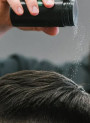
Based on the product information we found, there is a raw material called Hair Setting Powder (Product ID 31932) which is a finished hair styling powder base intended for further processing and FDA registration. The ingredients of this raw material do include Water, illustrating that even a powder can contain water.
Key Ingredients in Hair Setting Powder and Alternatives
Based on the ingredient list of the product you are using, the key ingredients that play a significant role in styling and providing the powder texture are likely:
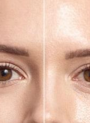
- Silica Silylate: Acts as a thickener in anhydrous systems, an anti-caking agent, and helps add volume to hair. Related raw materials we have include Anti-Caking Silica (Product ID 6853) which helps absorb moisture and prevents clumping in powders, and UltraBlur™ (Skin Blurring Silica) (Product ID 31047), a type of silica that helps with texture.
- Octylacrylamide/ Acrylates/ButylaminomethyiMethacrylate Copolymer: This is a polymer that forms a film on the hair, providing hold. Examples of hair styling polymers we have include Allianz OPT (Acrylates/C12-22 Alkyl Methacrylate Copolymer) (Product ID 126126) or VP/DMAPA Acrylates Copolymer (Product ID 127573), which are Film-Formers that provide hold and humidity resistance.
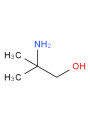
- Aminomethyl Propanol: Functions as a pH adjuster, often used to help styling polymers work effectively. We have the raw material AMP (2-MINO-2-METHYL-1-Propanol) 95% (Deodorized) (Product ID 7504), which is the same substance.
- Glycerin: Acts as a humectant, helping to prevent the product from feeling too dry. We have the raw material Glycerin (USP/Food Grade) (Product ID 143).
Challenges in DIY Formulation and Avoiding Preservatives
Attempting to recreate 300g of hair setting powder based solely on the ingredient list is quite complex. We do not know the exact proportions of each ingredient in the original formula. Even small changes in ratios can significantly affect the texture, performance, and stability of the final product.
Regarding avoiding the preservatives Phenoxyethanol and Chlorphenesin, even if the product is a powder, if it contains any water (even a small amount) or is likely to be exposed to moisture during use or storage, preservatives are necessary to prevent microbial growth. Removing preservatives without implementing an alternative protection system could lead to the product spoiling easily and being unsafe to use.
The raw material Hair Setting Powder (Product ID 31932) that we found actually contains Phenoxyethanol and Chlorphenesin, meaning if you were to use this as a base, you would still have the preservatives you wish to avoid.
Therefore, creating a hair setting powder formula free from Phenoxyethanol and Chlorphenesin that still maintains good performance and stability requires formulation expertise and potentially the use of alternative preservation systems suitable for powders, or strict packaging design to prevent moisture ingress.
We cannot provide an exact formula or quantities for 300g at this time, but we hope the information about the key ingredients and related raw materials helps you understand the nature of the product and its components better.
Related Products Mentioned
Glycerin (USP/Food Grade)
Anti-Caking Silica
UltraBlur™ (Skin Blurring Silica)
Hair Setting Powder