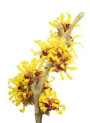
DIY Herbal Cleansing Toner Recipe
Question
Could you provide a DIY recipe for a herbal cleansing toner, including recommended ingredients like Witch Hazel and Calendula extract, their usage percentages, and instructions?
Answer
DIY Herbal Cleansing Toner
Creating your own herbal cleansing toner can be a great way to use natural ingredients tailored to your skin's needs. Based on the properties of some herbal extracts, here are a couple of options that could work well in a toner formulation:
- Witch Hazel (Distillate - Alcohol Free, Paraben Free): This is a popular choice for toners, especially for those looking to tighten pores. It's a natural astringent and can be used at a high concentration (10-100%) in a water-based formula.
- Calendula Extract (Water Soluble): Known for its anti-inflammatory, moisturizing, and skin-healing properties. It's excellent for soothing sensitive or irritated skin and can help reduce redness. It's water-soluble and typically used at 1-5%.
Basic Toner Formulation Idea:
A simple herbal toner can be made with a base of purified water or a hydrosol (like rose water or chamomile water, if available), combined with these extracts and a preservative.
- Base: Purified Water or Hydrosol (e.g., Rose Hydrosol, Chamomile Hydrosol) - up to 100%
- Astringent/Pore Tightening: Witch Hazel (Distillate) - 10-50% (adjust based on desired astringency)
- Soothing/Moisturizing: Calendula Extract (Water Soluble) - 1-5%
- Humectant (Optional, for added hydration): Glycerin or Propanediol 1,3 - 1-5%
- Preservative: A broad-spectrum, water-soluble preservative suitable for cosmetic use (follow supplier's recommended usage rate).
Instructions:
Combine all water-based ingredients and extracts. Add the humectant (if using) and finally the preservative. Mix well until everything is fully dispersed. Pour into a clean, sterilized bottle.
Usage: Apply to a cotton pad and gently sweep over cleansed face and neck, avoiding the eye area. Follow with your usual serum and moisturizer.
Remember to always patch test any new formulation on a small area of skin before applying it to your entire face.
- Note: Some herbal extracts like White Tea Extract and Cabbage Rose Extract are primarily used for their scent in cosmetic formulations and may not offer significant skin benefits.*