DIY Melasma Serum Formulation and Mixing Method
Question
I have formulated a serum for melasma on normal skin using the following ingredients. Is this formula suitable? Do I need to add any other ingredients? Please also provide the mixing method.
- Distilled Water 100 ml
- Hyaluronic Acid (standard + nano) 0.5 g each
- Aloevera
- Sea kelp
- Alpha arbutin
- B3
- Glucosamine
- Kojic
- Dmae
- Centella Asiatica (บัวบก)
Answer
Proposed Formula Improvement and Mixing Method for Melasma Serum
Your proposed formula for addressing melasma on normal skin is a good starting point. Many of the ingredients you've chosen have properties beneficial for treating dark spots and melasma.
Based on the staff's advice and the ingredient information, here are some improvements and mixing instructions:
Formula Improvement
Beneficial Ingredients to Keep:
- Alpha arbutin: This is a key ingredient for effectively reducing melasma. Use it at a recommended concentration (e.g., 1-2%).
- B3 (Niacinamide): Helps reduce dark spots, redness, strengthens the skin barrier, and works synergistically with Alpha arbutin and Glucosamine. Use at an appropriate concentration (e.g., 3-5%).
- Glucosamine (Acetyl Glucosamine): Helps reduce dark spots and stimulates the skin's natural Hyaluronic Acid production, making skin soft and moist. It works very well when combined with Vitamin B3. Use at a recommended concentration (e.g., 2-4%).
- Hyaluronic Acid (Standard + Nano): Excellent for hydrating the skin. However, 0.5g of each type in 100ml of water (1% total) might be too high for normal skin and could result in a sticky texture. Consider reducing the total amount to 0.1-0.3%. Using both molecular sizes helps provide hydration to both the upper and lower skin layers.
- Aloevera and Sea kelp: These natural extracts help soothe, moisturize, and provide antioxidants. You can keep them at recommended usage rates (e.g., 1-3%).
- บัวบก (Centella Asiatica): Helps reduce inflammation, redness, and stimulates collagen production. It's beneficial for overall skin health and can help with post-inflammatory marks. You can keep it at a recommended usage rate (e.5-1%).
Ingredients to Consider:
- Kojic: Regular Kojic Acid is very unstable in water and prone to discoloration, making the formula unstable. If you want to use Kojic, Kojic Acid Dipalmitate is more stable but requires dissolving in an oil phase, which your formula primarily lacks. For simplicity and stability in a water-based formula for beginners, it's recommended to focus on the key melasma ingredients like Alpha arbutin, B3, and Glucosamine instead.
Ingredient to Remove:
- Dmae: As advised by the staff, DMAE is highly acidic and requires careful pH adjustment, adding complexity to the formulation process. It's best to omit it for a beginner's formula.
Essential Ingredient to Add:
- Preservative: Since your formula is water-based and contains natural extracts, it is crucial to include a broad-spectrum preservative to prevent the growth of bacteria, fungi, and mold. Without a preservative, the product will spoil quickly and could be harmful to the skin. Choose a broad-spectrum preservative compatible with the other ingredients and use it at the manufacturer's recommended rate (typically around 0.5-1%).
Mixing Method (for the Improved Formula with Preservative)
Here are the general steps for mixing a water-based serum with mostly powder and extract ingredients:
- Prepare the Water Phase: Measure 100ml of distilled water into a clean container.
- Dissolve Powders: Gradually add the powder ingredients (Hyaluronic Acid types, Alpha arbutin, B3, Glucosamine, water-soluble Centella Asiatica Extract powder) to the water. Stir or use a small mixer to help dissolve the powders completely. Hyaluronic Acid may take time to dissolve or require shaking and refrigerating as per product instructions for better dissolution.
- Add Liquid Extracts: Once the powders are fully dissolved, add the liquid or gel extracts (e.g., Aloevera Extract, Sea Kelp Extract). Stir or mix until uniformly combined.
- Add Preservative: After all ingredients are well combined and the product has cooled down (if you warmed it to help dissolve powders), add the chosen preservative at the recommended usage rate. Stir thoroughly to ensure even distribution.
- (Optional but Recommended) Adjust pH: Use pH strips or a pH meter to check the pH of the serum. An ideal pH range for formulas containing Alpha arbutin, B3, Glucosamine, and Centella Asiatica is often between 4-6.5. If the pH is outside this range, you may need to adjust it by carefully adding a dilute acid (like a Citric Acid solution) or base (like a Sodium Hydroxide solution) drop by drop, checking the pH after each addition until the desired range is reached.
- Bottle: Transfer the finished serum into clean bottles.
Important Notes:
- Always check the maximum recommended usage rate for each ingredient.
- Maintain cleanliness of all equipment and containers throughout the process.
- Store the finished product in a cool place away from direct sunlight to maintain quality.
This adjusted formula focuses on direct melasma-treating ingredients, provides hydration and soothing benefits, and is more stable and simpler for a beginner to make.
Related Products Mentioned
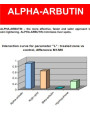
Alpha Arbutin (Switzerland)
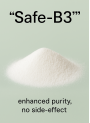
Safe-B3™ (Vitamin B3, Niacinamide)
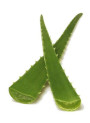

Sea Kelp Extract
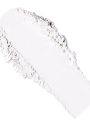
GlucoBright™ (Acetyl Glucosamine)
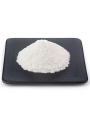
Kojic Acid Dipalmitate