DIY Moisturizer Formulation for Acne & Texture Issues
Question
How to formulate a DIY moisturizer cream/gel for acne, exfoliation, hydration, and irritation reduction using specific ingredients, addressing mixability, missing components, and methods to improve texture for less stickiness and a comfortable feel?
Answer
Analysis of Your DIY Moisturizer Formula
You've proposed a formula for a moisturizer cream/gel targeting acne, acne marks, exfoliation, hydration, and irritation reduction. Here's an analysis of your formula based on your questions:
1. Can the formula be mixed?
Mixing this formula as listed presents some challenges due to the different requirements of the ingredients:
- Temperature Sensitivity: ThixoGel™ requires heat (below 80°C) to dissolve and form a gel, while Encapsulated Salicylic Acid needs to avoid temperatures above 40°C and Pep®-Acne should also avoid heat. Glycolic Acid should avoid heat above 60°C. This means you would need a careful mixing procedure involving heating the water and ThixoGel™ first, then cooling down significantly before adding the heat-sensitive ingredients.
- Solubility of Palmitamide MEA: Palmitamide MEA is not directly water-soluble. Its description indicates it needs to be dissolved in specific bases like certain oils or glycols with heat (70°C) before being incorporated. Your current formula is primarily water and a gel maker, lacking a suitable phase to properly dissolve the Palmitamide MEA.
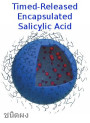
- Dispersion of Encapsulated Salicylic Acid: This ingredient needs to be dispersed evenly in the gel base, not dissolved. It requires thorough and potentially long blending (15-30 minutes depending on equipment) to ensure it doesn't settle or clump.
Therefore, while the ingredients can theoretically be combined, it requires a specific, carefully controlled manufacturing process involving different phases and temperature management, and the incorporation of Palmitamide MEA is particularly challenging in this water-heavy formula.
2. Is anything missing from the formula?
Yes, there are a couple of essential components missing:
- Preservative: With a high water content and multiple ingredients, the formula is highly susceptible to microbial contamination. A broad-spectrum preservative system is crucial to ensure the safety and shelf life of the product.
- pH Adjuster: To optimize the effectiveness and stability of active ingredients like Glycolic Acid (which needs a pH below 4.0 for exfoliation) and Zinc PCA (which is most soluble at pH 4-6), you will likely need to adjust the final pH of the formula. The initial pH of your mixture will depend on the ingredients used.
- Solvent/Carrier for Palmitamide MEA: As mentioned above, a suitable solvent or oil phase is needed to properly incorporate Palmitamide MEA.
3. How to adjust the formula for less stickiness, comfortable feel, while maintaining hydration?
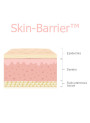
Several ingredients in your formula contribute to hydration (HumecMax™, Acetamide MEA, Skin-Barrier™, Safe-B3™), which is good, but the combination and percentages, particularly of the humectant and gelling agent, can lead to stickiness. To improve the texture:
- Adjust Humectant Level: While HumecMax™ is effective, 5% might contribute to a sticky feel in a gel base. You could try reducing the percentage slightly (e.g., to 2-3%) or exploring other humectants that offer a less tacky feel.
- Optimize Gel Maker Level: 1% ThixoGel™ provides a good gel structure, but experimenting with a slightly lower percentage (e.g., 0.5-0.8%) might reduce stickiness while still maintaining sufficient viscosity to suspend the Encapsulated Salicylic Acid.
- Incorporate a Light Emollient: Adding a small percentage (1-3%) of a light, non-greasy ester or silicone fluid can significantly improve the skin feel, reduce tackiness, and provide a smoother, more comfortable finish without making the product feel heavy. Examples include Caprylic/Capric Triglyceride (already present in Skin-Barrier™ but could be added separately), Isononyl Isononanoate, or a low-viscosity silicone.
- Ensure Proper pH Adjustment: The final pH of the product can influence its feel on the skin. Adjusting the pH to the optimal range for your active ingredients (likely slightly acidic, around 4.0-5.0) can also contribute to a more pleasant texture.
By carefully considering the mixing procedure, adding essential missing components like a preservative and pH adjuster, and adjusting the levels of the gelling agent and humectant while potentially adding a light emollient, you can create a more stable and cosmetically elegant moisturizer with the desired properties.
Related Products Mentioned
Safe-B3™ (Vitamin B3, Niacinamide)
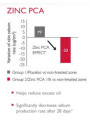
Zinc PCA
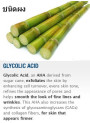
Glycopure™ (Glycolic Acid (AHA) Powder)

ThixoGel™ (Thixotropic Gel Maker)
Palmitamide MEA