DIY Niacinamide 10% + Zinc 1% Serum Formulation
Question
I am trying to make a serum with the following ingredients: Aqua (Water), Tamarindus Indica Seed Gum, Isoceteth-20, Niacinamide (10%), Zinc PCA (1%), Pentylene Glycol, Ethoxydiglycol, Xanthan Gum, Phenoxyethanol, Chlorphenesin.
Could you provide guidance on how to formulate this serum, confirming the usage percentages for Niacinamide (10%) and Zinc PCA (1%), and explaining the role of the other ingredients, especially Tamarindus Indica Seed Gum and Isoceteth-20?
Answer
DIY Niacinamide 10% + Zinc 1% Serum
This formula is based on the ingredient list you provided, with substitutions for ingredients not available on the website, as suggested by the staff.
Ingredients
You will need the following ingredients:
- Purified Water: This will be the base of your serum.
- Safe-B3™ (Vitamin B3, Niacinamide): Use at 10%, as indicated in the original formula and confirmed by staff. This ingredient is known for reducing wrinkles, hyperpigmentation, oiliness, and strengthening the skin barrier.
- Pentylene Glycol (Low-Odor): This acts as a solvent, humectant (helps retain moisture), and can boost the effectiveness of preservatives.
- Zinc PCA: Use at 1%, as indicated in the original formula and confirmed by staff. This ingredient is effective for reducing oiliness, helping with acne, accelerating wound healing, and stimulating collagen production.
- Xanthan Gum (clear gel type, smooth texture): This is used as a thickener to give the serum a gel texture.
- Ethoxydiglycol (e.q. Transcutol): This acts as a solvent and carrier to help other ingredients penetrate the skin.
- Phenoxyethanol (Extra Pure) and Chlorphenesin: These are preservatives needed to prevent microbial growth and ensure the product's safety and shelf life. You can use a combination of these as they were listed in the original formula.
Notes on Original Ingredients
- Tamarindus Indica Seed Gum: This ingredient is not available. The staff suggested replacing it with another moisturizer. While not strictly necessary for the core Niacinamide and Zinc function, you could consider adding a different humectant or moisturizing ingredient if desired, but the base formula already contains Pentylene Glycol which has moisturizing properties.
- Isoceteth-20: This is an emulsifier that the staff indicated could likely be omitted as the formula should be compatible without it.
General Formulation Guidance
- Prepare the Water Phase: Measure out the required amount of Purified Water.
- Add Water-Soluble Ingredients: Add Niacinamide, Zinc PCA, Pentylene Glycol, Ethoxydiglycol, Phenoxyethanol, and Chlorphenesin to the water phase. Stir or mix until fully dissolved. Niacinamide and Zinc PCA dissolve in water. Pentylene Glycol and Ethoxydiglycol are also water-soluble solvents. Phenoxyethanol and Chlorphenesin are preservatives that can be mixed into the water phase.
- Add Thickener: Slowly add Xanthan Gum to the mixture while stirring or blending at high speed to create a gel texture. Ensure it is fully dispersed and hydrated to avoid clumps.
- Adjust pH: Check the pH of the final mixture. Zinc PCA is most soluble at a pH between 4-6. Niacinamide is stable in a pH range of 3-8, ideally 4.0-7.0. Aim for a final pH in the range of 4.0-6.0 for optimal stability and efficacy of both actives. Adjust if necessary using a suitable pH adjuster.
- Final Mixing: Stir gently to ensure all ingredients are well combined.
- Packaging: Pour the serum into a clean, appropriate container.
Important Considerations:
- Always follow good manufacturing practices (GMP) when making cosmetics at home, ensuring all equipment and containers are clean and sterilized.
- The percentages for Niacinamide (10%) and Zinc PCA (1%) are based on the original formula and staff confirmation. For other ingredients like Pentylene Glycol, Xanthan Gum, Ethoxydiglycol, Phenoxyethanol, and Chlorphenesin, refer to the recommended usage rates provided in the product descriptions on the MySkinRecipes website for safe and effective formulation.
- Since you are using preservatives, the serum should have a reasonable shelf life, but it is always recommended to perform a challenge test if you plan to sell the product.
- Store the finished product properly, away from direct sunlight and heat.
By following these steps and using the available ingredients, you can create a serum similar to the one you inquired about.
Related Products Mentioned
Safe-B3™ (Vitamin B3, Niacinamide)
Ethoxydiglycol (e.q. Transcutol)
Phenoxyethanol (Extra Pure)
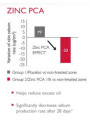
Zinc PCA
Purified Water, TDS Limit 1PPM)
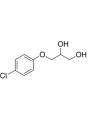
Chlorphenesin