DIY Skincare for Oily Skin, Dark Spots, Pores, and Glycolic Acid Use
Question
I have oily skin but prefer a dewy/oily finish. I am interested in making my own skincare products using ingredients like Hyaluronic Acid, Vitamin B3 (Niacinamide), N-acetyl-D (N-Acetyl Glucosamine), Vitamin C, Vitamin E, and Azelaic Acid (Liquid Azelaic) to address enlarged pores and dark spots on my chin.
Specifically, I have Glycolic Acid 70% and want to know if I can use it in my DIY formulation at a 20% concentration for a leave-on product.
Could you provide guidance on using these ingredients and advise on the safety and feasibility of using Glycolic Acid at this concentration in a DIY product?
Answer
DIY Skincare Recommendations for Combination Skin
Hello! Thank you for sharing details about your skin and the ingredients you're interested in. It's great that you're exploring DIY skincare to find what works best for you, especially given your past experiences. It sounds like you have combination skin with an oily T-zone, some enlarged pores, and concerns about post-acne dark spots on your chin, while also preferring products with a slightly dewy or oily feel.
The ingredients you've listed are indeed excellent choices for addressing these concerns. Let's look at each one and how they can benefit your skin:
- Hyaluronic Acid: This is fantastic for hydration, which is key even for oily skin. It helps the skin retain moisture, making it look plump, dewy, and radiant without necessarily feeling heavy or greasy, depending on the formulation. Different molecular weights (Small, Standard, Large, 4D) can provide hydration at various levels of the skin.
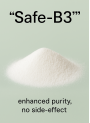
- Vitamin B3 (Niacinamide): A powerhouse ingredient for combination and oily skin. It helps reduce the appearance of enlarged pores, regulate oil production in the T-zone, strengthen the skin barrier, and significantly improve the look of dark spots and uneven skin tone. Both Safe-B3 and Extreme-B3 are high-purity options.
- N-acetyl-D (N-Acetyl Glucosamine): This ingredient works synergistically with Niacinamide to target hyperpigmentation and dark spots, making it a great addition for your chin area. It also helps promote skin hydration by encouraging the skin's natural production of Hyaluronic Acid.
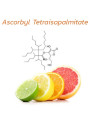
- Vitamin C: A potent antioxidant that brightens the complexion, fades dark spots and post-inflammatory hyperpigmentation, and stimulates collagen production for smoother, more radiant skin. There are various forms available, including water-soluble options like Ascorbyl Glucoside (AA-2G) and Ethyl Ascorbic Acid, and oil-soluble ones like Perfect-C (Ascorbyl Tetraisopalmitate). Given your preference for oil-based products, Perfect-C could be a particularly suitable choice.
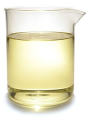
- Vitamin E: Another excellent antioxidant that works well with Vitamin C to protect the skin from environmental damage. It also offers moisturizing benefits. Tocopheryl Acetate and dl-alpha tocopherol are common forms.
- Azelaic Acid (Liquid Azelaic): This is effective for reducing dark spots and redness, controlling oiliness, and providing gentle exfoliation. Liquid Azelaic is a water-soluble derivative that is often less irritating than traditional Azelaic Acid.
These ingredients form a solid foundation for a routine aimed at achieving clear, radiant, and well-hydrated skin with reduced dark spots and minimized pores.
Regarding your interest in Glycolic Acid 70% and using it at 20% concentration in a DIY product:
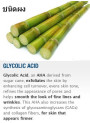
While Glycolic Acid is effective for exfoliation, improving skin texture, reducing dark spots, and minimizing pores, using a 70% concentration product to create a 20% solution for leave-on DIY skincare is highly risky and strongly discouraged.
- High Concentration Risk: Glycolic Acid at 20% is a very high concentration for home use. It can cause significant skin irritation, redness, peeling, burning, and potentially chemical burns, especially if the pH is not carefully controlled.
- FDA Guidelines: For consumer cosmetic products, the recommended maximum concentration for AHA like Glycolic Acid is typically 10% (and sometimes even lower, like 5%, depending on the product type and pH), with a pH no lower than 3.5. Concentrations above this are usually reserved for professional peels under strict supervision.
- pH Control is Crucial: The effectiveness and safety of Glycolic Acid are highly dependent on the pH of the final product. Achieving and maintaining the correct, safe pH (above 3.5 for DIY) with high concentrations like 20% is difficult and dangerous without proper lab equipment and expertise.
If you wish to incorporate Glycolic Acid, it is much safer to use products specifically designed for DIY skincare at lower, recommended concentrations (e.g., 5-10%) and ensure the final product's pH is within the safe range (above 3.5). Consider gentler forms like Ampho-Glycolic or ActiveRelease Glycolic Acid, which are designed to reduce irritation while still providing exfoliation benefits.
Suggested Approach for Your DIY Formulation:
To target your concerns safely and effectively, you could consider a serum or light emulsion incorporating:
- Hydration: Hyaluronic Acid (perhaps a blend of different molecular weights like Standard Molecule, Small Molecule, or the easy-to-use 4D Hyaluronic Acid) for multi-level hydration and that desired dewy look.
- Pores & Oil Control: Safe-B3 or Extreme-B3 (Niacinamide) at 5-10%.
- Dark Spots: N-Acetyl Glucosamine (GlucoBright) at around 4% (works well with Niacinamide) and Liquid Azelaic at 5-10%. You could also add a stable Vitamin C like Ascorbyl Glucoside or Ethyl Ascorbic Acid (water-soluble) or Perfect-C (oil-soluble) depending on your formula base.
- Antioxidant Support: Vitamin E (Tocopheryl Acetate or dl-alpha tocopherol) in a small amount.
Remember that formulating requires careful measurement, understanding ingredient compatibility, proper mixing techniques, and ensuring adequate preservation to prevent bacterial growth. Always start with low concentrations of actives and patch test on a small area of skin before applying to your face.
Combining ingredients like Niacinamide, N-Acetyl Glucosamine, Vitamin C, and Liquid Azelaic in a well-formulated base can effectively target dark spots and pores while providing hydration for a healthy, radiant, and slightly dewy complexion.
I hope this detailed information helps you in planning your DIY skincare journey!
Related Products Mentioned
Vitamin E (Tocopheryl Acetate)
Safe-B3™ (Vitamin B3, Niacinamide)
GlucoBright™ (Acetyl Glucosamine)
Vitamin E (dl-alpha tocopherol)

Glycopure™ (Glycolic Acid (AHA) Powder)
Vitamin C (L-ascorbic acid) (Standard)