Dry Shampoo Formulation: Ingredient Substitution and Alcohol Use
Question
I need advice on formulating dry shampoo.
It is difficult to find S-100/ionic water.
- Can Coco Wash 8% be used instead to create foam?
- If not, are there other recommended alternatives?
- Can Ethyl Alcohol (99.9%, 200Proof, Perfumer Grade) be used in the formulation (for the foam texture)?
Answer
Dry Shampoo Formulation Advice
Regarding your questions about formulating dry shampoo and substituting ingredients:
Using Coco Wash (PEG-7 Glyceryl Cocoate) for Foam: Coco Wash is a very gentle, non-ionic surfactant primarily used for adding softness and moisture, particularly in makeup removers or as a mild additive in cleansing products. It is not designed to create significant foam, especially not in the context of a dry shampoo which typically relies on powders to absorb oil rather than a water-based foaming action. Using 8% Coco Wash is unlikely to replace the function of S-100/ionic water for creating foam in a dry shampoo formulation, and its main role is not oil absorption.
Alternatives for Oil Absorption: Dry shampoos work by using absorbent powders to soak up excess oil from the hair and scalp. If you are looking for ingredients to absorb oil in your dry shampoo, consider powders specifically designed for this purpose. Suitable options include:
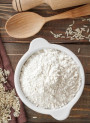
- Dry Shampoo Powder (Natural Rice Powder Based): This is a ready-made base containing modified rice starch and a conditioning agent, specifically formulated for dry shampoo to absorb sebum and provide softness.
- Ricesorb ™ (Rice Starch Japanese Rice absorbs oil): A highly purified rice starch with small particles effective at absorbing oil without drying out the hair/scalp.
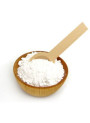
- Kaolin (China Clay): A natural clay known for its oil-absorbing properties, suitable for use in various cosmetic powders and oily skin formulations.
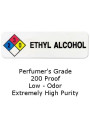
Using Perfumer Grade Ethyl Alcohol (99.9%): Yes, Perfumer Grade Ethyl Alcohol (99.9%) is suitable for use in a liquid dry shampoo formulation. Alcohol acts as a solvent and helps the product dry quickly on the hair. The description for Dry Shampoo Powder mentions using Ethyl Alcohol (92%) in a liquid formula, and the 99.9% grade is a high-purity, low-odor option that works well for this application.
In summary, Coco Wash is not a suitable substitute for creating foam or absorbing oil in a dry shampoo. Focus on using appropriate oil-absorbing powders and Ethyl Alcohol as a base for a liquid spray formulation.
Related Products Mentioned
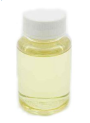
Coco Wash™ (PEG-7 Glyceryl Cocoate)