Dry Shampoo Formulation Questions
Question
Regarding Dry Shampoo formulation:
For a dry powder type:
- Can Silk Sericite Powder (Matte, Silane Coated) be used instead of Talc? I have some concerns about using Talc.
For a liquid powder type:
- If not using Ethyl Alcohol, can other ingredients be used?
- If not using an aerosol can, can a regular spray bottle be used? (I want to try making it for personal use).
Answer
Dry Shampoo Formulation
1. Dry Powder Type
Regarding your question about substituting Talc with Silk Sericite Powder (Matte, Silane Coated), the staff's response is correct. The Silane coating on the Sericite powder is designed to help it adhere better to the skin or hair, which is not the desired property for a dry shampoo that should absorb oil and be brushed out easily.
Suitable Alternatives for Talc:
Several powders can be used as alternatives to Talc in a dry shampoo formulation due to their oil absorption properties. Some options include:
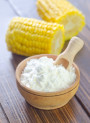
- Starches: Such as Waxy Corn Starch. Starches are commonly used for their excellent oil and moisture absorption.
- Mineral Clays: Such as Kaolin. Clays are natural absorbents that can help soak up excess oil.
- Silica Powder: Such as MatteSilica 5™. This type of silica is processed to have a porous surface, enhancing oil absorption and providing a smooth feel.
- Perlite: Perlite is a volcanic glass that can be processed into a fine powder with good oil absorption capabilities.
- PMMA (Poly(methyl methacrylate)): Special types like SelectSorb™ are designed for high, selective oil absorption without drying the skin/hair.
You can use one or a combination of these powders as the base for your dry shampoo.
Other Ingredients to Consider:
To enhance the dry powder formula, you can add:
- Fragrance: To leave a pleasant scent on the hair. Ensure the fragrance is suitable for cosmetic use and hair products.
- Colorants: If you want to match the powder to different hair colors (e.g., cocoa powder for dark hair, or cosmetic pigments).
- Botanical Extracts: Small amounts of powdered botanical extracts known for hair benefits, though ensure they don't negatively impact powder dispersion or feel.
2. Liquid Powder Type
For the liquid powder type of dry shampoo, your questions were about alternatives to Ethyl Alcohol and using a regular spray bottle instead of an aerosol can.
Alternative to Ethyl Alcohol:
Ethyl Alcohol acts as a volatile carrier that helps disperse the powder and evaporates quickly. While other volatile solvents exist, the choice of liquid carrier is often tied to the delivery system.
Packaging (Regular Spray vs. Aerosol):
The staff's assessment is generally accurate. Liquid powder dry shampoos are typically packaged in aerosol cans. This is because the propellant gas in an aerosol system is essential for effectively suspending the powder particles within the liquid carrier and then spraying them out in a fine, even mist onto the hair. A regular pump spray bottle is usually not capable of properly suspending and dispensing powder particles, which would likely lead to clogging and uneven application. For a true liquid powder dry shampoo effect, an aerosol system is usually required. If you are making it for personal use and are willing to experiment, you could try a very fine mist spray bottle with a very low concentration of powder, but it is unlikely to perform like a commercial aerosol product.
In summary, for the dry powder formula, you have several effective alternatives to Talc for oil absorption. For the liquid powder formula, achieving the characteristic spray and powder dispersion typically requires an aerosol can and a suitable volatile carrier like Ethyl Alcohol.
Related Products Mentioned
MatteSilica 5™ (5 Micron)
SelectSorb™ (High Oil Absorption PMMA)
Perlite (25micron, 2.2x Oil Absorption)