EDTA Compatibility and Color Stability with Actives
Asked by: contact
On: January 18, 2020
Product Type:
Cosmetics
Answered
Question
Based on my understanding, some ingredients in this formula may change color if EDTA is not included. The issue is that these ingredients are in the same formula.
My questions are:
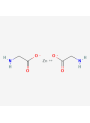
- If EDTA is added, will it affect Z-White™ and other ingredients? I suspect it might affect Z-White™ because it contains zinc.
- Are there any other ingredients in the formula that would be affected by adding EDTA?
- Which ingredients in the formula are prone to easy color change if EDTA is not included after use?
The ingredients in the formula are:
- Ectoine (Ectoin)
- 4MSK (Potassium Methoxysalicylate)
- Z-White™
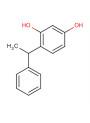
- Sym-White™ (Phenylethyl Resorcinol)
- GlucoBright™ (Acetyl glucosamine)
- Wrinkle-Lax™
- Dipotassium Glycyrrhizate
- Licorice Extract (Glabridin 40%)
- L-Carnosine
- Beta Glucan (Saccharomyces cerevisiae extract)
Answer
EDTA Compatibility and Color Stability
Based on the ingredients you've listed and their properties:
EDTA (Disodium EDTA) acts as a chelating agent, binding to metal ions that can cause instability and color changes in cosmetic formulations.
- Effect on Z-White™ and other ingredients: Adding EDTA is generally beneficial for overall formula stability. While Z-White™ (Zinc Glycinate) contains zinc, EDTA's role is to chelate other trace metal ions present in the water or raw materials, preventing them from interfering with sensitive ingredients. The information available does not suggest that EDTA negatively impacts Z-White™. In fact, EDTA helps protect ingredients sensitive to metal-catalyzed degradation. Sym-White™ (Phenylethyl Resorcinol) is explicitly mentioned as having improved stability with Disodium EDTA.
- Other affected ingredients: From the provided descriptions, Sym-White™ (Phenylethyl Resorcinol) is the ingredient specifically noted to benefit from the addition of Disodium EDTA for enhanced stability.
- Ingredients prone to color change without EDTA: Dipotassium Glycyrrhizate is known to be prone to oxidation, which can cause color change. It is recommended to use an antioxidant like ActiveProtec™ OX for its stability. Sym-White™ (Phenylethyl Resorcinol) also requires good stability measures, including the use of EDTA, and can be sensitive to certain other ingredients (like amino acids, urea, or proteins) which may cause yellowing or separation.
Therefore, including EDTA in your formula is a good practice for enhancing stability and preventing potential discoloration of sensitive ingredients like Sym-White™ and helping to mitigate issues with others like Dipotassium Glycyrrhizate.
Related Products Mentioned
Disodium EDTA
Cosmetics
Z-White™
Cosmetics