Effect of pH on Cosmetic Formula Properties and Measurement Timing
Question
Regarding the pH of cosmetic formulations:
- Is it true that the appropriate pH only indicates good effectiveness and color, and is not related to the consistency (thick/liquid) or separation of the texture?
- When is the best time to measure pH?
- Is it in the Water phase after dissolving all water-soluble ingredients?
- Or should it be measured when the cream is completely finished?
Answer
pH, Effectiveness, Color, and Texture
Regarding your question about pH, effectiveness, and color, and whether it relates to texture or separation:
Appropriate pH is crucial for several aspects of a product, not just effectiveness and color. It also significantly impacts the texture and stability of the formula.
- Effectiveness: Most ingredients, especially active ingredients, function optimally within a specific pH range. If the pH is outside this range, the ingredient may degrade or become less effective.
- Color: pH can affect the color stability of certain ingredients, potentially causing discoloration if the pH is unsuitable.
- Texture and Stability: Ingredients used for creating texture (like thickeners or emulsifiers) rely on a suitable pH to function correctly. An inappropriate pH can lead to changes in viscosity (making the product too thin or too thick) or even cause the formula to separate.
Therefore, pH is indeed related to the texture and stability of the product, contrary to your initial thought.
When to Measure pH
The most accurate time to measure pH is in the final step, after the formula is complete and no more ingredients will be added.
However, measuring the pH of thick creams or solid textures can be challenging. In practice, you can sometimes measure the pH of the water phase after all water-soluble ingredients are dissolved. This method is acceptable if the oil phase ingredients you add later do not significantly alter the pH. Typically, oils themselves do not affect pH, but some oil-soluble ingredients might.
Related Products Mentioned
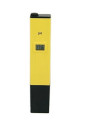
Digital pH meter (temporary use)