Effect of water on Cetylpyridinium Chloride performance in toothpaste

Asked by: swati.vernam On: April 30, 2026 Product Type: Cosmetics Answered

Question

I have a question regarding the work of Cetylpyridinium Chloride in toothpaste:

1. I am adding this with water, but someone told me that adding it with water in the product doesn't give full performance. Is it true or not? Does it mean its antimicrobial properties are reduced?

Answer

Dissolving Cetylpyridinium chloride (CPC) in water before adding it to your formulation does not reduce its antimicrobial performance. In fact, pre-dissolving it in purified water is a standard and recommended practice to ensure uniform distribution throughout the toothpaste or mouthwash.

The reason you may have heard that it "doesn't give full performance" is likely due to chemical incompatibility with other common toothpaste ingredients, rather than the water itself.

1. The "Cationic-Anionic" Conflict

CPC is a cationic (positively charged) molecule. Its effectiveness depends on these positive ions being "free" to bind to bacterial membranes and tooth surfaces. If your toothpaste base contains anionic (negatively charged) ingredients, they will bind to the CPC, neutralizing it and making it biologically inactive.

The most common culprit is Sodium Lauryl Sulfate (SLS). When CPC and SLS are mixed, they form a complex that prevents the CPC from working against plaque and bacteria.

2. Ingredients that Reduce CPC Efficacy

To maintain the performance of CPC, you should avoid or carefully manage the following:

  • Anionic Surfactants: Avoid Sodium Lauryl Sulfate (SLS), Sodium Laureth Sulfate, and Sodium Lauroyl Sarcosinate.
  • Anionic Binders/Gums: Ingredients like Sodium CMC (Cellulose Gum), Carbomer, and Alginate can bind to CPC.
  • Certain Abrasives: Some grades of hydrated silica or calcium carbonate can adsorb CPC onto their surface, reducing the amount available in the mouth.
  • Phosphate Salts: High levels of pyrophosphates or polyphosphates (often used for anti-tartar) can interfere with CPC.

3. Best Practices for Formulation

To ensure your CPC remains fully active:

  • Use an SLS-Free Base: Switch to nonionic or amphoteric surfactants such as Cocamidopropyl Betaine or Poloxamers.
  • Add CPC Late: Hydrate your thickeners and gums first. Add the CPC (pre-dissolved in water) toward the end of the mixing process to minimize localized binding.
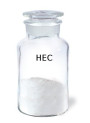
  • Choose Compatible Thickeners: Consider using nonionic thickeners like Hydroxyethylcellulose (HEC) or Hydroxypropyl Methylcellulose (HPMC) instead of anionic ones.
  • Target pH: Maintain a pH between 5.5 and 7.5 for optimal stability and oral comfort.

For more specialized oral care components, you can browse the Oral Care category.

Relevant References

Sources supporting the key technical claims in this answer

Effect of toothpaste on the plaque inhibitory properties of a cetylpyridinium chloride mouth rinse
2003

Sheen, S., Eisenburger, M., & Addy, M. (2003). Effect of toothpaste on the plaque inhibitory properties of a cetylpyridinium chloride mouth rinse. Journal of Clinical Periodontology, 30(3), 255–260.
DOI: 10.1034/j.1600-051X.2003.300312.x

Related Categories

Oral Care
Cosmetics > Oral Care