Effectiveness and Compatibility of Skin Brightening Ingredients (Alpha Arbutin, Vitamin C, B3) in Lotion/Cream
Question
What are the differences in effectiveness among Alpha Arbutin, Vitamin C (various forms like L-Ascorbic Acid, Ethyl Ascorbic Acid, MAP), and Vitamin B3 (Niacinamide) for skin brightening in lotion or cream formulations? Can these ingredients be mixed together? Is mixing them more effective than using them individually? Please also consider synergistic combinations like Niacinamide with N-Acetyl Glucosamine or Licorice Extract (Glabridin type) and formulation aspects like optimal pH ranges for stability and efficacy.
Answer
Skin Brightening Ingredients for Lotion/Cream
For achieving bright and clear skin with lotion or cream, Alpha Arbutin, Vitamin C, and Vitamin B3 are all effective ingredients, each with slightly different strengths and mechanisms.
- Alpha Arbutin: Highly regarded for its direct skin brightening effect by reducing melanin production. It is considered very effective and safe.
- Vitamin C: Works as an antioxidant and helps reduce melanin pigment. Different forms have varying stability and efficacy. L-Ascorbic Acid is potent but less stable in water, while derivatives like Ethyl Ascorbic Acid and Magnesium Ascorbyl Phosphate (MAP) offer better stability and are easier to formulate, though their potency might differ.
- Vitamin B3 (Niacinamide): While also contributing to skin brightening by reducing hyperpigmentation, Vitamin B3 is particularly beneficial for strengthening the skin barrier, reducing redness, and improving moisture levels. It works synergistically with N-Acetyl Glucosamine for enhanced whitening.
Regarding which is most effective, Alpha Arbutin and potent forms of Vitamin C (like L-Ascorbic Acid or Ethyl Ascorbic Acid) are often considered primary whitening agents. However, the best results are often achieved by combining ingredients that work through different pathways.
Can Alpha Arbutin, Vitamin C, and B3 be mixed?
Yes, these ingredients can be mixed in a formulation. However, it is crucial to consider the compatibility and optimal pH range for each specific ingredient, especially the different types of Vitamin C. For example, L-Ascorbic Acid requires a low pH (around 3.5 or lower for best efficacy and stability), while Magnesium Ascorbyl Phosphate (MAP) is more stable at a higher pH (7-9). Vitamin B3 is generally stable across a broader pH range (4-7 is optimal). Alpha Arbutin is best formulated between pH 3.5-6.5.
Careful formulation is needed to ensure stability and efficacy when combining these ingredients, particularly when using L-Ascorbic Acid or certain Vitamin C derivatives with other pH-sensitive ingredients like Alpha Arbutin.
Is mixing more effective than using individually?
Combining these ingredients can often lead to more comprehensive and effective skin brightening results than using them individually. This is because they target different aspects of the pigmentation process and overall skin health:
- Alpha Arbutin inhibits the enzyme (Tyrosinase) needed for melanin production.
- Vitamin C acts as an antioxidant and can interfere with melanin synthesis and reduce existing pigment.
- Vitamin B3 helps reduce the transfer of pigment within the skin cells and improves skin barrier function, which can indirectly help with even tone and reduce post-inflammatory hyperpigmentation.
- Combining Vitamin B3 with N-Acetyl Glucosamine is known to enhance the whitening effect significantly through a synergistic mechanism.
Therefore, a well-formulated product containing a combination of these ingredients, potentially including N-Acetyl Glucosamine and perhaps Licorice Extract (specifically types rich in Glabridin, which also inhibits tyrosinase), can provide multi-targeted action for brighter, clearer, and more even-toned skin.
Consider using Safe-B3™ (Vitamin B3, Niacinamide) with GlucoBright™ (Acetyl Glucosamine) for a potent combination. Adding Alpha Arbutin and a stable form of Vitamin C like Ethyl Ascorbic Acid or Magnesium Ascorbyl Phosphate can further enhance the whitening effect. Licorice Extract (Glabridin type) is another excellent addition.
Related Products Mentioned
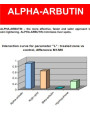
Alpha Arbutin (Switzerland)
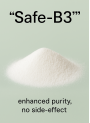
Safe-B3™ (Vitamin B3, Niacinamide)
GlucoBright™ (Acetyl Glucosamine)
Vitamin C (L-ascorbic acid) (Ultra-Fine)