Effectiveness and Safety of Active Ingredients in Eye Area Formulations
Asked by: liacostadlab
On: January 26, 2026
Product Type:
Cosmetics
Answered
Question
Are the concentrations of the following active ingredients in my formula effective for visible results and safe for use in the eye area?
- Peptides
- Biotin
- Hydrolyzed Keratin
- Hyaluronic Acid
- Panthenol
Camellia Sinensis Extract
Answer
Based on the ingredients you've selected, here is a review of the effective and safe concentration ranges for use in the eye area (such as for an eyelash serum or eye-contour treatment). Since your specific percentages were not explicitly listed in the text, you can compare your formula against these industry-standard and manufacturer-recommended levels:
1. Peptides (Eyelash & Skin Growth)
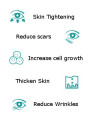
- Long-Lash™ (Myristoyl Pentapeptide-17 & Copper Tripeptide-1): The effective range is 5-10%. Do not exceed 10%, as higher concentrations may cause irritation without increasing benefits.
- Biotinyl-GHK (Biotinoyl Tripeptide-1): Typically used at 1-3%. It is highly effective for strengthening hair proteins and anchoring lashes.
- Safety Note: If using Copper Peptides (like in Long-Lash™), avoid adding Disodium EDTA or AHAs (Lactic/Glycolic Acid) to the formula, as they can deactivate the peptide.
2. Biotin (Vitamin B7/H)
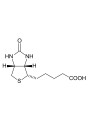
- Pure-Biotin™: The recommended concentration is 0.1-0.2%. It is not recommended to exceed 0.2% in topical applications.
- Effectiveness Tip: Biotin is light-sensitive. Ensure your final product is in opaque packaging. Adding Urea (3-5%) can help enhance its penetration into the skin/hair.
3. Hydrolyzed Keratin
- Pure Keratin™: For leave-on products like eye serums or lash treatments, 1-2% is the standard effective range to repair and protect the hair/skin structure.
4. Hyaluronic Acid
- Standard Hyaluronic Acid: Usually used at 0.1-1%. For the eye area, a concentration of 0.2-0.5% provides excellent hydration without being overly sticky. Using a mix of molecular weights can improve both surface hydration and deeper penetration.
5. Panthenol (Pro-Vitamin B5)
- Panthenol: The recommended range for skin and hair is 1-3%. While it can be used up to 5% or 10%, concentrations above 5% can make the formula feel sticky or "gooey," which is undesirable for the eye area.
6. Camellia Sinensis (Green Tea) Extract
- Hi-EGCG™: The recommended usage rate is 1-5%. This provides potent antioxidant and anti-inflammatory benefits, helping to reduce puffiness and protect the delicate eye skin.
General Safety & Formulation Feedback for the Eye Area:
- pH Level: For products used near the eyes, the pH should ideally be between 5.5 and 7.0. A pH too far outside this range can cause stinging or redness.
- Preservatives: Ensure you use a gentle, eye-safe preservative system. Avoid high concentrations of alcohol or volatile solvents.
- Texture: Since this is for the eye area, ensure the formula is "non-creeping" (doesn't migrate into the eyes). A slight gel-like consistency using a thickener like Hydroxyethylcellulose can help.
If your formula's percentages fall within these ranges, it should be both effective for visible results and safe for the sensitive eye area.
Related Products Mentioned
Long-Lash™
Cosmetics
Hi-EGCG™ (Green Tea Extract)
Cosmetics
Pure-Biotin™
Cosmetics
HyaCap™ Hyaluronic Acid Standard
Cosmetics