Effectiveness of Combining Ingredients with Similar vs. Different Mechanisms
Question
How does combining multiple ingredients with the same mechanism of action affect effectiveness compared to combining ingredients with different mechanisms for the same benefit? Specifically, consider examples like Activated Resorcinol™ and Sym-White™ for whitening, and Syn-Coll and Matrixyl 3000 for anti-aging.
Answer
Using Multiple Ingredients with Similar Properties
Based on the information provided, using multiple ingredients that have the same mechanism of action for a specific benefit (like whitening or anti-aging) does not necessarily increase the overall effectiveness compared to using just one. It can often lead to unnecessary cost without a significant boost in performance.
However, if you use multiple ingredients that aim for the same benefit but work through different mechanisms, they can often work together synergistically, leading to improved effectiveness.
For example, combining ingredients that work via the same mechanism, such as:
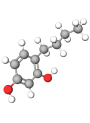
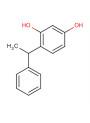
- Activated Resorcinol™ (4-butyl Resorcinol) and Sym-White™ (Phenylethyl Resorcinol) for whitening.
- Syn-Coll (Palmitoyl Tripeptide-5) and Matrixyl 3000 (Palmitoyl Oligopeptide, Palmitoyl Tetrapeptide-7) for anti-aging collagen stimulation.
These combinations, where ingredients share the same working principle, are less likely to provide enhanced results compared to using ingredients with complementary actions.
Related Products Mentioned
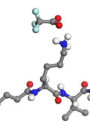
Pep®-Coll (Palmitoyl tripeptide-5)