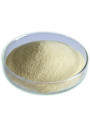
Effectiveness of Water Dispersible Vitamin E (Tocopheryl Acetate) as an Antioxidant in Rice Crackers
Question
Can Vitamin E (Water Dispersible Powder, 50%) be effectively used as an antioxidant in food products like rice crackers (khao kriap) to prevent oil rancidity, considering its water-dispersible nature and the specific form of Vitamin E (Tocopheryl Acetate) used?
Answer
The product Vitamin E (Water Dispersible Powder, 50%) (ID 8850) can technically be used in food products like rice crackers (khao kriap), but its effectiveness as a primary antioxidant to prevent oil rancidity may be limited for the following reasons:
- Form of Vitamin E (Tocopheryl Acetate): The product contains D-Alpha-Tocopheryl Acetate. The acetate form is a stable derivative often used as a nutritional supplement. It is generally less effective as a direct antioxidant in the food matrix compared to the free form (Tocopherol), which is a stronger processing antioxidant.
- Water-Dispersible Nature: This product is designed to be easily mixed into water-based systems (like the rice cracker dough/slurry) because it contains 50% starch. However, rancidity in khao kriap is primarily caused by the oxidation of the oil/fat content. Since the active ingredient is dispersed in the water/starch phase, its ability to migrate to and protect the fat phase effectively may be reduced compared to a pure, oil-soluble antioxidant.
Conclusion:
While it will provide some antioxidant benefit and nutritional value, for optimal protection against oil rancidity (extending the shelf life of the oil in the cracker), a pure, oil-soluble form of Tocopherol (Vitamin E) or another dedicated fat-soluble antioxidant (like Ascorbyl Palmitate) would generally be more effective.