Emulsifier Selection and Ingredient Compatibility
Question
Could you recommend suitable emulsifiers for a formulation? Is it necessary to include an oil phase when using an emulsifier? Also, is Nano Gold compatible with EDTA (a chelating agent) in a formula?
Answer
Emulsifiers and Formulation Questions
Regarding your questions about emulsifiers and using Nano Gold with EDTA:
Suitable Emulsifiers
You are correct that an emulsifier is needed to create stable emulsions like creams or lotions, which combine oil and water phases. Choosing the right emulsifier depends on the type of emulsion you want (Oil-in-Water or Water-in-Oil), the ingredients you are using, and the desired texture and feel.
Here are a few examples of emulsifiers with different properties:
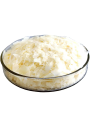
- Emulsifying Beeswax (Non-Ionic, Natural): This is a natural, non-ionic emulsifier that also helps thicken the formula. It's suitable for O/W emulsions and works well in formulas for dry skin, balms, and ointments. It is dissolved in the oil phase.
- Sucrose Cream Maker™: A 100% natural-based, non-ionic O/W emulsifier. It provides a light, silky, and non-oily feel and is compatible with various emollients and electrolytes. It is also added to the oil phase.
- CreamMaker EG™: This ingredient acts as both a thickener and can function as a binder/emulsifier. It's versatile and can be used in cold process formulations, added to either the oil or water phase, and works across a wide pH range (5.5-12). It creates a soft and light texture.
The best choice will depend on the specifics of your overall formulation.
Necessity of Oil with Emulsifiers
Yes, generally, if you are using an emulsifier to create a cream or lotion (an emulsion), you will need both an oil phase and a water phase. The primary function of an emulsifier is to help these two immiscible phases mix together stably. Without an oil phase, there would be no emulsion to form. Some ingredients listed as emulsifiers might also have thickening properties that can be used in water-based gels, but their role as an emulsifier requires both oil and water.
Compatibility of Nano Gold with EDTA
EDTA (like Disodium EDTA) is a chelating agent. Its main function in cosmetic formulations is to bind with metal ions (cations) that might be present in the water or other ingredients. This prevents these metal ions from interfering with the stability or effectiveness of other components in the formula.
Nano Gold consists of gold nanoparticles, which are metallic. Chelating agents like EDTA can potentially interact with metal surfaces or ions released from them. The compatibility of Nano Gold with EDTA depends heavily on the specific form and surface coating of the Nano Gold nanoparticles and the overall composition of your formula. While EDTA is effective at chelating free metal ions, its interaction with stable metal nanoparticles is more complex.
Without specific information about the exact "Nano Gold" product you are using, it is difficult to give a definitive answer regarding compatibility. It is possible that EDTA could affect the stability or properties of the Nano Gold particles. It is always recommended to perform compatibility testing when combining such ingredients.
Related Products Mentioned
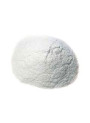
Disodium EDTA
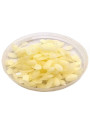
Emulsifying Beeswax (Non-Ionic, Natural)