Emulsifier Substitution, Vitamin C Serum pH, and Cream Viscosity
Question
I have a few questions regarding cosmetic formulation:
- I found that Laureth-23 has an HLB value of 16.9, while Tween 20 has an HLB value of 16.7, which are very close. Could you please explain why Tween 20 cannot be used to replace Laureth-23 in a CE Ferulic formula?
- If I purchase the 50ml size of Stabilized Vitamin C (Natural-C Glycol™) Serum, do I need to adjust the pH myself before use, or is the pH already adjusted? If adjustment is needed, what pH should it be, especially if intended for sale in Thailand?
- If I want to increase the viscosity of a cream using Pro Polymer without adding more Pro Polymer, can I use Cetearyl Alcohol to help increase viscosity? Or what other ingredients would you recommend?
Answer
Cosmetic Formulation Questions Answered
Here are the answers to your questions regarding cosmetic formulations:
1. Substituting Laureth-23 with Polysorbate 20 in CE Ferulic Formula
While it's true that Laureth-23 and Polysorbate 20 (Tween 20) have very similar HLB (Hydrophile-Lipophile Balance) values (around 16.9 and 16.7 respectively), which is a key factor for emulsifier selection, HLB is not the only property that determines if two emulsifiers are interchangeable in a specific formula.
Other critical factors include:
- Chemical Structure: Different chemical structures interact differently with other ingredients in a complex formula.
- Physical Form and Solubility: Laureth-23 is a solid that needs to be heated and mixed into the oil phase, while Polysorbate 20 is a liquid that is soluble in water and glycerin but less so in oil.
- Ability to Build Structure: Emulsifiers can contribute to the overall texture and stability by helping to build a specific network or structure within the emulsion.
- Interactions: Ingredients can interact in unexpected ways. An emulsifier that works well in one formula might cause instability or texture issues in another due to interactions with other components.
In a well-established formula like CE Ferulic, the specific emulsifier, Laureth-23, was likely chosen after extensive testing to ensure optimal stability, texture, and performance with the other active ingredients (like Vitamin C, Vitamin E, and Ferulic Acid). Substituting it with Polysorbate 20, despite the similar HLB, can lead to an unstable emulsion, separation, or a significantly different texture because their other properties and interactions within the formula are not identical.
Therefore, even a small difference in HLB or other properties can be significant in a complex formulation, making Polysorbate 20 generally not a direct substitute for Laureth-23 in this context.
2. pH of Stabilized Vitamin C (Natural-C Glycol™) Serum (50ml)
The Stabilized Vitamin C (Natural-C Glycol™) Serum in the 50ml size does not come with the pH pre-adjusted. The product description indicates that the pH is typically in the range of 2-3 as supplied by the manufacturer. You will need to adjust the pH yourself before use.
If you intend to sell the product, you must adjust the pH to comply with local regulations. In Thailand, the FDA requires cosmetic products to have a pH of at least 3.5.
3. Increasing Viscosity with Pro Polymer and Alternatives
If you are using Pro Polymer in a cream and want to increase viscosity without adding more Pro Polymer, you can use other thickeners or viscosity modifiers.
- Cetearyl Alcohol: Yes, Cetearyl Alcohol can help increase the thickness and richness of a cream. However, as noted, it is a solid fatty alcohol that needs to be heated and dissolved in the oil phase of your formulation (typically around 70°C). It contributes to viscosity and provides an emollient feel.
- Other Thickeners: To increase viscosity in the water phase or overall, especially if you don't want to rely solely on Pro Polymer or need a different texture, consider other types of thickeners. The best choice depends on the desired final texture (e.g., clear gel, creamy gel, lotion, heavy cream) and compatibility with other ingredients. Some common options include:
- Gums: Such as Xanthan Gum or Guar Gum, which create gel textures.
- Cellulose Derivatives: Like Hydroxyethylcellulose (HEC).
- Other Synthetic Polymers: Such as other Carbomers or Acrylate copolymers that might offer different viscosity profiles or electrolyte tolerance compared to Pro Polymer.
Since you mentioned you have Cetearyl Alcohol, you can incorporate it into the oil phase (with heating) to contribute to the cream's thickness and body. For further recommendations on other thickeners, knowing the desired final texture of your cream would be helpful to suggest the most suitable option.
Related Products Mentioned
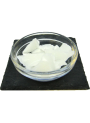
Laureth-23
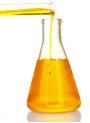
Polysorbate 20 (Tween 20)
Pro Polymer™ (Gel Maker)