Emulsifiers for High Oil Content Water-in-Oil Emulsions
Question
How can I create a stable Water-in-Oil (W/O) emulsion formulation with a high oil content (around 50-70%), and what types of emulsifiers are suitable for achieving stability in such a formula?
Answer
Emulsifiers for High Oil Content Formulas (Water-in-Oil Emulsions)
For formulations with a high oil content (around 50% or more), which are typically Water-in-Oil (W/O) Emulsions, selecting the appropriate emulsifier is crucial for formula stability.
Emulsifiers commonly used for W/O formulas usually have a low HLB value, helping the oil phase remain continuous with small water droplets dispersed within it.
Based on the information, two main groups of emulsifiers can be considered for high oil content formulas:
Lecithin Group:
- Soy Lecithin (Soy Bean Oil, Liquid Lecithin): This is liquid lecithin from soybeans with an approximate HLB of 4.0, suitable for W/O formulas. It can emulsify water in oil. As it's a liquid, a thickener like Xanthan Gum may be needed to adjust viscosity and improve stability. Usage rate is around 3-10%, depending on the water content.
- Hydrogenated Lecithin (e.g., LeciCream™): Lecithin that has undergone hydrogenation, often in powder form. It offers higher emulsifying efficiency compared to regular lecithin and is suitable for heavy creams. It can be used at a relatively low rate of about 0.5-5% by dispersing it in the oil phase first.
-
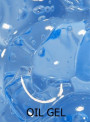
- Sugar Gel (creates oil gel texture / Oil Gellant): This ingredient helps create an oil gel texture and can incorporate small amounts of water into an oil formula. It provides a clear or translucent gel texture. It can be used in formulas with very high oil content; an example formula shows 81% oil and only 4% water. Usage requires specific steps: dissolving Sugar Gel in Glycerin and water first, then gradually adding the heated oil while stirring continuously. Usage rate is around 2-10%, depending on the desired viscosity.
Generally, achieving stability in high oil W/O formulas may require additional techniques, such as using thickeners in the oil phase or incorporating waxes to help reinforce the emulsion's structure.