Emulsion Formula for Oily, Dehydrated Skin with Acne Marks
Question
I am looking for a suggested emulsion formula suitable for oily, dehydrated skin with acne marks. I prefer a light, non-sticky texture. Could you provide a formula including recommended ingredients and their percentages, potentially referencing ingredients found in products like LIFE Plankton™ EMULSION?
Answer
Suggested Emulsion Formula for Oily, Dehydrated Skin with Acne Marks
Based on the LIFE Plankton™ EMULSION ingredients you provided and your specific skin concerns (oily, dehydrated, acne marks), here is a suggested starting point for your homemade emulsion formula. This formula aims for a light, non-sticky texture while incorporating key active ingredients.
Key Active Ingredients
- Niacinamide (Vitamin B3): At 10%, this helps reduce acne marks, control oiliness, strengthen the skin barrier, and provide anti-inflammatory benefits.
- Gluco Bright (Acetyl Glucosamine): At 4%, works synergistically with Niacinamide for whitening and reducing dark spots, and also helps improve skin hydration and texture.
- Squalane (Olive): At 2%, provides lightweight moisture and helps improve skin barrier function without clogging pores.
- Plankton Artemia Extract: At 2%, offers anti-pollution benefits and helps protect skin from environmental stress.
Suggested Base Ingredients and Texture Enhancers
To achieve a light, non-sticky feel suitable for oily skin, we can use a combination of humectants, solvents, and emollients as discussed:
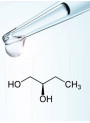
- Glycerin (2%), Propanediol (2%), Butylene Glycol (2%): These are humectants and solvents that help hydrate the skin and dissolve other ingredients. Using them at these percentages, as suggested by the staff, helps provide moisture without excessive stickiness.
- 1,2-Hexanediol (3%): Recommended as a replacement for Pentylene Glycol, it also acts as a humectant, helps improve ingredient penetration, and provides preservative boosting properties.
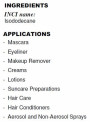
- LipidSoft Lite (Isononyl Isononanoate) (2%): This is a lightweight emollient that provides a soft, smooth feel similar to silicones but is less likely to clog pores, making it a good alternative to Dimethicone and Polymethylsilsesquioxane. Compared to Isododecane, LipidSoft Lite offers more hydration and a less dry finish, which is beneficial for dehydrated skin, while still being lightweight. Isododecane provides a very dry, slippery feel and evaporates quickly.
- RiceSorb (Oryza Sativa Starch) (2%): As suggested by the staff, this can replace Aluminum Starch Octenylsuccinate to help absorb excess oil and reduce the overall stickiness of the formula, contributing to a lighter feel.
- Thickener (Any Gel or Satin Cream Maker) (1%):
- Any Gel (Dehydroxanthan Gum): Provides a non-greasy gel texture that absorbs quickly and feels dry on the skin. This would be suitable for a very light, gel-like emulsion.
- Satin Cream Maker (Sodium Acrylates Copolymer): Acts as both an emulsifier and thickener, creating a soft, smooth cream texture. This is suitable for a light lotion or cream emulsion.
Choose the thickener based on your desired final texture. Both are polymers and are generally not associated with clogging pores.
- Water: Add enough to reach 100% of the total formula.
Optional Ingredient: Water-Soluble Shea Butter
You mentioned having water-soluble shea butter (like NanoShea). Shea butter is known for its moisturizing and anti-irritant properties, which could be beneficial. However, as the staff noted, adding emollients can increase stickiness depending on the overall formula and individual skin feel. If you want to include it, you could try adding NanoShea at a low percentage (e.g., 3-5%) after you have a satisfactory base formula and adjust as needed.
Suggested Starting Formula:
- Water: q.s. to 100%
- Niacinamide (Safe-B3): 10%
- Gluco Bright: 4%
- Squalane (Olive): 2%
- Glycerin: 2%
- Propanediol: 2%
- Butylene Glycol: 2%
- 1,2-Hexanediol: 3%
- LipidSoft Lite: 2%
- RiceSorb: 2%
- Thickener (Any Gel or Satin Cream Maker): 1%
- Plankton Artemia Extract: 2%
Mix the water-soluble ingredients (Water, Niacinamide, Gluco Bright, Glycerin, Propanediol, Butylene Glycol, 1,2-Hexanediol, Plankton Artemia Extract, Thickener if it's Any Gel). Mix the oil-soluble ingredients (Squalane, LipidSoft Lite). If using Satin Cream Maker, mix it into the water phase, then add the oil phase and mix. Add RiceSorb and mix well.
Remember that formulation is often an iterative process. This is a starting point, and you may need to adjust the percentages of the texture-modifying ingredients (Glycerin, Propanediol, Butylene Glycol, 1,2-Hexanediol, LipidSoft Lite, RiceSorb, Thickener) to achieve your preferred light and non-sticky feel.
Related Products Mentioned
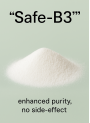
Safe-B3™ (Vitamin B3, Niacinamide)
GlucoBright™ (Acetyl Glucosamine)
Squalane (Olive)
Glycerin (USP/Food Grade)
Isododecane (Germany)
Satin Cream Maker™
Butylene Glycol

Plankton Artemia Extract
AnyGel™ (Dehydroxanthan Gum)