Emulsion Gel Formulation for Vaginal Care: Texture & Actives
Question
How to formulate a non-sticky emulsion gel for vaginal tightening and brightening using a provided base formula with Barbedgrass and Rice extracts, including recommended usage rates for the extracts and advice on adjusting ingredients for texture?
Answer
Emulsion Gel Formulation Advice
Developing an emulsion gel with a non-sticky texture requires careful balancing of ingredients. Here's a breakdown of your formula and some considerations:
Understanding Your Formula Phases
- Part A (Water Phase): Contains water, humectants (Butylene Glycol, Glycerin), and a gelling agent (Sodium Polyacrylate). Sodium Polyacrylate is a primary thickener and significantly impacts the gel's texture and potential tackiness.
- Part B (Oil Phase): Includes emollients (Isohexadecane, Caprylic/Capric Triglyceride) and emulsifiers (Cetearyl Alcohol & Cetearyl Glucoside, Glyceryl Stearate SE). This phase forms the emulsion structure and contributes to the skin feel.
- Part C (Actives in Water): Contains water, Sodium Hyaluronate (a humectant and film-former that can add tack), and Niacinamide.
- Part D (Peptide in Water): Contains water and Palmitoyl Tripeptide-5.
- Part E (Extracts/Solubilizer): Includes PEG-40 Castor Oil (likely a solubilizer), Aloe Vera extract, Barbedgrass extract, and Rice extract.
- Part F: Maltodextrin, often used as a carrier or stabilizer.
- Part G (Preservatives): Phenoxyethanol and Sodium Benzoate. Note that Sodium Benzoate is most effective at acidic pH.
- Part H (pH Adjustment): Water and Lactic Acid. Lactic Acid will lower the pH and can offer brightening effects at appropriate concentrations and pH, but its primary role here seems to be pH adjustment.
Key Actives and Usage Rates
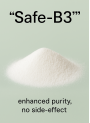
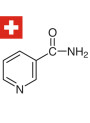
- Niacinamide: This is an excellent ingredient for brightening, improving skin barrier function, and reducing redness. Based on product information, a typical effective usage rate is 1-10%, with 5% often recommended for significant benefits without irritation (especially with high-purity grades like Safe-B3).
- Palmitoyl Tripeptide-5: Known for stimulating collagen production and reducing the appearance of wrinkles. Product information suggests a usage rate of 1-5%, with 3% being a common recommendation.
- Barbedgrass Extract (หญ้ารีแพร์) and Rice Extract (ข้าว extract): Information regarding specific usage rates for these extracts for the desired effects (tightening, brightening) would need to come from your ingredient supplier. Standard cosmetic extracts often have recommended usage ranges, but these vary greatly depending on the extract's concentration and standardization.
Achieving a Non-Sticky Texture
The stickiness of an emulsion gel is influenced by several factors, primarily the type and concentration of gelling agents and humectants:
- Sodium Polyacrylate: This is likely the main contributor to the gel structure and potential stickiness. To reduce tackiness, you may need to lower the concentration of Sodium Polyacrylate.
- Humectants (Glycerin, Sodium Hyaluronate, Butylene Glycol): While essential for hydration, high levels, especially of Glycerin and Sodium Hyaluronate, can feel sticky. Consider adjusting the percentages of these humectants. Using a lower molecular weight Sodium Hyaluronate or balancing different types of humectants can help.
- Oil Phase: The emollients and emulsifiers in Part B also affect the final feel. Ensuring the emulsion is well-formed and stable with appropriate levels of light emollients can improve spreadability and reduce tack.
Should You Remove Anything?
Your current formula includes components necessary for an emulsion gel: water and oil phases, emulsifiers, a thickener, humectants, active ingredients, preservatives, and a pH adjuster. Removing entire components like the oil phase would change it from an emulsion gel to a simple gel. Removing specific ingredients without understanding their role or having alternatives could compromise stability, texture, or efficacy.
Instead of removing ingredients, focus on adjusting the percentages of the gelling agent (Sodium Polyacrylate) and humectants (Glycerin, Sodium Hyaluronate) first to achieve the desired non-sticky texture.
Additional Considerations
- pH: The final pH of your formula is crucial, especially for the effectiveness of Sodium Benzoate and for the intended application area (vaginal products typically have an acidic pH, around 3.8-4.5). Lactic Acid is used to adjust pH, so the amount needed will depend on the other ingredients. Ensure the final pH is within the stable range for your actives (Niacinamide is best between 4-7) and suitable for the application.
- Stability Testing: After adjusting percentages, rigorous stability testing (including heat/cold cycles) is essential to ensure the emulsion gel remains stable and the texture is consistent over time.
In summary, to reduce stickiness, focus on optimizing the levels of Sodium Polyacrylate, Glycerin, and Sodium Hyaluronate. Consult your suppliers for recommended usage rates for the Barbedgrass and Rice extracts. Adjust the Lactic Acid to achieve a suitable final pH.
Related Products Mentioned
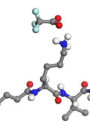
Pep®-Coll (Palmitoyl tripeptide-5)