Encapsulated/Treated TiO2 and ZnO for Sunscreen Formulation
Question
How can Titanium Dioxide (TiO2) and Zinc Oxide (ZnO) be used in sunscreen formulations with 'encapsulation' technology? What specific forms or treatments are available for these physical UV filters to achieve properties like good dispersion and reduced white cast?
Answer
Creating Sunscreen with Encapsulation Technology for TiO2 and ZnO
For creating sunscreen using encapsulation technology with physical sunscreen agents like Titanium Dioxide (TiO2) and Zinc Oxide (ZnO), encapsulation for these materials typically involves coating the particles or dispersing them in a liquid base. This makes them easier to incorporate into formulations, improves stability, and helps mitigate drawbacks of physical sunscreens such as whitening or uneven dispersion.
Forms of Treated/Encapsulated TiO2 and ZnO
Based on the product information found, forms of TiO2 and ZnO that have undergone particle modification (related to encapsulation or treatment) to improve their properties for sunscreen formulations include:
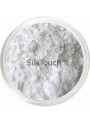
- Coated Particles: This involves coating TiO2 or ZnO powder with substances like Triethoxycaprylylsilane or Polymethylsilsesquioxane. This helps them disperse well in oil or silicone bases, reduces particle aggregation, and improves texture. Examples include Zinc Oxide (40nm, Triethoxycaprylylsilane Coated) and Titanium Dioxide 30nm SilkTouch™ (Polymethylsilsesquioxane Treated).
- Ready-to-Use Dispersions: This involves dispersing nano-sized TiO2 and/or ZnO particles in a liquid base such as water, oil, or silicone. This makes them easy to mix into formulations, eliminates the need for powder dispersion, and helps create lightweight sunscreens with less whitening. Examples include Titanium Dioxide Transparent (15nm, Water-Dispersion) (dispersed in water), Zinc Oxide 40nm Dispersion (Water Base) (dispersed in water), Titanium Zinc NanoLiquid™ DEC (dispersed in Diethylhexyl Carbonate), and Titanium Zinc NanoLiquid™ CYCLO (dispersed in Cyclopentasiloxane).
Benefits of Using Encapsulated/Treated Raw Materials
Choosing TiO2 and ZnO raw materials in coated or ready-to-use dispersion forms offers several advantages in sunscreen formulation development, such as:
- Excellent Dispersion: Particles do not clump together, ensuring uniform distribution of the sunscreen agent throughout the formula for maximum sun protection efficiency.
- Reduced Whitening: Especially nano-particles that are coated or in dispersion form significantly reduce the white cast issue on the skin after application compared to untreated powders.
- Improved Texture: Helps create sunscreens with a lightweight, easy-to-spread, non-greasy texture.
- Formula Stability: Helps improve the stability of emulsions, particularly in challenging formulations.
Therefore, if you wish to create a sunscreen with encapsulation technology using TiO2 and ZnO, you should consider using raw materials that are surface-coated particles or in the form of ready-to-use dispersions, depending on the type of base you intend to develop for your formula.
Updated Review: May 2026
This section was added after reviewing the original answer against current product availability and formulation knowledge at the stated point in time.
Update as of 2026-05-31
The earlier guidance is still valid: for TiO2/ZnO sunscreens, the practical route is usually to use surface-treated/coated powders or ready-made dispersions/NanoLiquid™ rather than trying to encapsulate raw TiO2 or ZnO yourself. In current catalog options, you can also consider additional ZnO dispersion choices such as Zinc Oxide 35nm Liquid, Zinc Oxide Transparent Dispersion (C12-15 alkyl benzoate Base), Zinc Oxide Transparent Dispersion (Isopropyl Palmitate Base), and Zinc Oxide (20nm, Triethoxycaprylylsilane Coated), alongside the products already mentioned.
Choose by formula type: water-dispersible TiO2/ZnO grades for water-based or oil-in-water systems, and oil/silicone/emollient-dispersible grades such as NanoLiquid™ or transparent ZnO dispersions for water-in-oil, anhydrous, silicone, or oil-phase systems. For broad-spectrum performance, TiO2 and ZnO are commonly combined or paired with other approved UV filters as appropriate, and the final SPF/PA must be verified by testing after the formula is complete.
Related Products Mentioned
Zinc Oxide 40nm Dispersion (Water Base)