Enhancing Whitening and Acne Control in Aloe Vera Gel Formula
Question
I have a skincare formula based on Aloe Vera Gel that has been effective for my acne. I want to enhance the whitening effect while still preventing new acne breakouts. My current formula is:
- Base Aloe Vera Gel
- N-Acetyl-D Glucosamine 4%
- Niacinamide 5%
- Nanowhite 5%
- Azaleic Acid 10%
- Sea Kelp Bioferment 10%
- Alpha Bisabolol 1%
I also have questions regarding this formula:
- What is the typical texture of Sea Kelp Bioferment at 10% concentration, and how might it feel on oily skin?
- Can Azelaic Acid be replaced by a combination of Zinc PCA and Licorice Extract for acne and whitening benefits?
- What modifications can I make to this formula to achieve a more noticeable whitening effect while retaining the acne control benefits?
Answer
Recommendation to Enhance Whitening in Your Formula
Hello! I'm glad to hear that your previous formula has been effective in reducing your acne. I understand that you now want to focus primarily on achieving a whitening effect while also preventing new acne breakouts.
Based on the formula you provided and the staff's previous advice, I would like to offer some additional recommendations:
Regarding the Texture of Sea Kelp Bioferment
Concerning your question about the texture of Sea Kelp Bioferment at a 10% concentration, as the staff mentioned, it largely depends on your skin type. Sea Kelp Extract has a light brown liquid gel texture and is highly effective in moisturizing and nourishing the skin. If you have dry skin, using it at 10% might provide sufficient moisture without feeling oily or sticky. However, if you have oily skin, 10% could potentially feel too heavy or sticky. You might need to test it or consider slightly reducing the percentage (e.g., to 5-8%) if you find it too heavy, while ensuring your base (Aloe Vera Gel) provides adequate hydration.
Furthermore, Sea Kelp Extract helps maintain skin balance, strengthens sensitive skin, boosts the immunity of skin cell structure, and contains antioxidants. Its inclusion in the formula is beneficial for overall skin health. However, using it at a high concentration (like 10%) might give the formula a slightly fishy smell from the seawater, so please be mindful of this. If the texture feels too heavy or the smell is bothersome, you could consider reducing the concentration slightly and adjusting other ingredients in your Aloe Vera Gel base to achieve the desired texture and hydration.
Azelaic Acid vs. Zinc PCA + Licorice
As advised by the staff and based on the product descriptions for Azelaic Acid (Liquid Azelaic™), Zinc PCA, and Licorice Extract, these ingredients have different mechanisms of action and are not completely interchangeable.
- Azelaic Acid (Liquid Azelaic™): Works by reducing keratin production in pores (helping prevent clogs), killing P.acnes bacteria, reducing inflammation, and inhibiting the enzyme Tyrosinase, which contributes to whitening, especially for post-inflammatory hyperpigmentation.
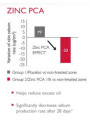
- Zinc PCA: Helps control oiliness, reduces acne inflammation, and accelerates wound healing.
- Licorice Extract: Helps soothe the skin, reduces redness and irritation, and controls oiliness.
Using a combination of these ingredients in appropriate amounts can provide more comprehensive benefits for acne, oil control, and soothing compared to relying on just one. However, since your primary goal is to enhance whitening, we can keep Azelaic Acid, which offers both acne and some whitening benefits, and supplement it with a more powerful whitening ingredient.
Revised Formula for Enhanced Whitening
Based on your current formula containing Base Aloe Vera Gel, N-Acetyl-D Glucosamine 4%, Niacinamide 5%, Nanowhite 5%, Azaleic Acid 10%, Sea Kelp Bioferment 10%, and Alpha Bisabolol 1%,
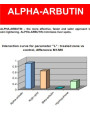
To achieve a more noticeable whitening effect while maintaining acne control and soothing properties, I recommend adding Alpha Arbutin to your formula. Alpha Arbutin is a highly effective whitening agent that works directly by inhibiting the Tyrosinase enzyme, a key step in melanin synthesis. It works synergistically with Niacinamide and N-Acetyl Glucosamine, which are already in your formula.
Proposed Revised Formula:
- Base: Aloe Vera Gel
- N-Acetyl-D Glucosamine 4%
- Niacinamide 5%
- Nanowhite 5%
- Alpha Arbutin 2% (Added to enhance whitening efficacy)
- Azaleic Acid 10%
- Sea Kelp Bioferment 10% (Adjust down if it feels too heavy on your skin)
- Alpha Bisabolol 1%
Rationale for the Changes:
- We retain the core ingredients that have been effective for your acne and soothing (Azelaic Acid, Niacinamide, and Alpha Bisabolol).
- We add Alpha Arbutin at a concentration of 2%, which is the recommended rate for significant skin brightening. Alpha Arbutin will work alongside N-Acetyl Glucosamine and Niacinamide to reduce melanin production and improve skin tone evenness.
- We keep Sea Kelp Bioferment at 10% to provide the desired moisture, but please observe the texture and feel on your skin and adjust down if it feels too heavy.
- N-Acetyl Glucosamine and Niacinamide, in addition to their whitening effects, also help strengthen the skin barrier and provide hydration.
- Nanowhite (as included in your original formula) also contributes to whitening. The combined action of N-Acetyl Glucosamine, Niacinamide, Nanowhite, Azelaic Acid, and Alpha Arbutin will provide a comprehensive approach to skin brightening by targeting multiple pathways of melanin production.
Regarding other ingredients mentioned in the conversation:
- Zinc PCA and Licorice Extract: If you wish to further enhance oil control, reduce inflammation, and soothe the skin beyond what Azelaic Acid provides, you could consider adding Zinc PCA (recommended 1%) and Licorice Extract (recommended 0.5-1%) to your formula. You might need to slightly reduce the proportion of the Aloe Vera Gel base or other ingredients to keep the total concentration at 100% and maintain the desired texture.
- MSM (Pure MSM™): This is another good option for oil control (recommended 3%) and gentle exfoliation (recommended 5%). If you find that the revised formula still doesn't control oiliness sufficiently, you could consider adding Pure MSM™.
Important Notes for Mixing:
- Generally, add the active ingredients to your Aloe Vera Gel base.
- Alpha Arbutin should be added in the final step at a temperature below 30°C, and the formula pH should be between 3.5-6.5 to prevent degradation.
- Azelaic Acid (Liquid Azelaic™) should be added in the final step at a temperature below 40°C, and the pH should be between 5-11 (recommended 5-8).
- Niacinamide (Safe-B3™) is heat resistant but should not be heated for extended periods. The optimal pH is between 3-8 (best at 4.0-7.0).
- N-Acetyl Glucosamine (GlucoBright™) is heat resistant but should not be heated for extended periods. The pH should be between 3-7.
- Sea Kelp Extract can withstand temperatures up to 60°C.
- Alpha Bisabolol is oil and alcohol soluble. It should be mixed in the oil phase or with an emulsifier. The optimal pH is between 3-11.
- Zinc PCA is highly soluble at pH 4-6.
- Pure MSM™ should be mixed in the water phase, and the formula pH should be between 3-7.
Please try adjusting your formula based on these recommendations and test it on your skin to observe the results and suitability of the texture.
Related Products Mentioned
Alpha Arbutin (Switzerland)
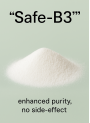
Safe-B3™ (Vitamin B3, Niacinamide)
Sea Kelp Extract
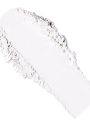
GlucoBright™ (Acetyl Glucosamine)
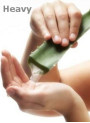
Aloe Vera Gel (Heavy)

Pure MSM™ (Methylsulfonylmethane)