Evaluating a Serum Formula for Sensitive Skin
Question
Can the provided serum formula for sensitive skin, containing Skin Barrier Cream Base, Perfect-C, EDTA, and Mild Preserved Eco, be successfully mixed and is it suitable for sensitive skin?
Answer
Evaluation of Your Serum Formulation for Sensitive Skin
It's important to understand that while I can provide information about the individual ingredients, I cannot definitively confirm the suitability, stability, or safety of your complete formulation for sensitive skin without laboratory testing. Custom formulations require careful evaluation by a qualified cosmetic chemist.
However, let's look at the components you've included:
- Skin Barrier Cream Base (50%): The description for the Skin Barrier Cream Base (Emulsifier Free) indicates it is specifically designed for skin with problems like irritation, allergies, redness, and lack of moisture. It is also noted as gentle and emulsifier-free, which are often beneficial for sensitive skin. Using it at 50% is within the recommended range for restoring the skin barrier.
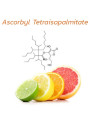
- Perfect-C™ (Ascorbyl Tetraisopalmitate) (5%): This is a stable, oil-soluble form of Vitamin C. It is generally considered less irritating than L-Ascorbic Acid and is used for its antioxidant and skin brightening properties. The recommended usage rate is 1-10%, so 5% is within this range. The description notes that if water is present, Disodium EDTA should be included at 0.2%, and the formula pH should be within 6.0 for stability. Your formula includes both water and 0.2% EDTA.
- EDTA (Disodium EDTA) (0.2%): Disodium EDTA is used as a chelating agent to bind metal ions in water, which helps improve the stability and shelf life of the product. The usage rate of 0.1-0.2% is standard, and you are using 0.2%. It is suitable for formulas with a pH between 3.0-9.0.
- Mild Preserved Eco™ (Preservative-Free) (0.5%): This ingredient is described as gentle and non-irritating, and it functions as a preservative without being classified as one by the FDA, allowing for a "preservative-free" claim. It also has humectant properties. The recommended usage rate for general cosmetic formulas is typically 1.0-1.5%, although the overall range is 0.5-2.0%. Your usage rate of 0.5% is at the lower end of the recommended range for preservation in general formulas.
Considerations for Sensitive Skin:
- The Skin Barrier Cream Base is a good choice as a foundation for a sensitive skin product due to its intended purpose and gentle nature.
- Perfect-C™ is a well-regarded, stable Vitamin C derivative that is less likely to cause irritation compared to other forms, especially at the 5% concentration.
- Mild Preserved Eco™ is highlighted as gentle and suitable for sensitive skin. However, ensure the 0.5% concentration is sufficient to adequately preserve your specific formulation, especially given the water content. A challenge test is recommended to confirm preservative efficacy.
- The pH of the final formulation is crucial for the stability of Perfect-C™ and the efficacy of Mild Preserved Eco™. You should measure and adjust the pH to be within the optimal range for these ingredients (pH within 6.0 for Perfect-C™ and pH 4-9 for Mild Preserved Eco™).
- Even with gentle ingredients, individual skin reactions can occur.
Recommendation:
While the ingredients you've chosen include components specifically designed for sensitive skin and are used within typical ranges (with the preservative being at the lower end), it is essential to:
- Verify the final pH of your formulation.
- Perform a challenge test to ensure the preservative system is effective.
- Conduct patch testing on a small area of skin before applying the product widely, especially for individuals with sensitive skin.
Without these steps, the suitability and stability of the formulation cannot be guaranteed.
การประเมินสูตรเซรั่มของคุณสำหรับผิวแพ้ง่าย
สิ่งสำคัญคือต้องทำความเข้าใจว่า แม้ว่าฉันจะสามารถให้ข้อมูลเกี่ยวกับส่วนผสมแต่ละชนิดได้ แต่ฉันไม่สามารถยืนยันความเหมาะสม ความคงตัว หรือความปลอดภัยของสูตรสำเร็จรูปของคุณสำหรับผิวแพ้ง่ายได้โดยไม่ต้องผ่านการทดสอบในห้องปฏิบัติการ สูตรที่คิดค้นขึ้นเองจำเป็นต้องได้รับการประเมินอย่างรอบคอบโดยนักเคมีเครื่องสำอางที่มีคุณสมบัติเหมาะสม
อย่างไรก็ตาม ลองพิจารณาส่วนประกอบที่คุณใส่ไว้ในสูตร:
- Skin Barrier Cream Base (50%): คำอธิบายของ Skin Barrier Cream Base (Emulsifier Free) ระบุว่าถูกออกแบบมาโดยเฉพาะสำหรับผิวที่มีปัญหา เช่น การระคายเคือง การแพ้ รอยแดง และการขาดความชุ่มชื้น นอกจากนี้ยังระบุว่าเป็นสูตรอ่อนโยนและปราศจากอิมัลซิไฟเออร์ ซึ่งมักจะเป็นประโยชน์ต่อผิวแพ้ง่าย การใช้ในอัตรา 50% อยู่ในช่วงที่แนะนำสำหรับการฟื้นฟูเกราะป้องกันผิว
- Perfect-C™ (Ascorbyl Tetraisopalmitate) (5%): นี่คือวิตามินซีในรูปแบบที่ละลายในน้ำมันและมีความคงตัวสูง โดยทั่วไปถือว่าระคายเคืองน้อยกว่า L-Ascorbic Acid และใช้เพื่อคุณสมบัติต้านอนุมูลอิสระและช่วยให้ผิวกระจ่างใส อัตราการใช้ที่แนะนำคือ 1-10% ดังนั้น 5% จึงอยู่ในช่วงนี้ คำอธิบายระบุว่าหากมีส่วนประกอบของน้ำ ควรเติม Disodium EDTA ในอัตรา 0.2% และค่า pH ของสูตรควรอยู่ในช่วงไม่เกิน 6.0 เพื่อความคงตัว สูตรของคุณมีทั้งน้ำและ EDTA 0.2%
- EDTA (Disodium EDTA) (0.2%): Disodium EDTA ใช้เป็นสารคีเลตเพื่อจับกับไอออนของโลหะในน้ำ ซึ่งช่วยเพิ่มความคงตัวและอายุการเก็บรักษาของผลิตภัณฑ์ อัตราการใช้ 0.1-0.2% เป็นมาตรฐาน และคุณใช้ 0.2% ซึ่งอยู่ในช่วงที่แนะนำ เหมาะสำหรับสูตรที่มีค่า pH ระหว่าง 3.0-9.0
- Mild Preserved Eco™ (Preservative-Free) (0.5%): ส่วนผสมนี้อธิบายว่าเป็นสูตรอ่อนโยนและไม่ระคายเคือง และทำหน้าที่เป็นสารกันเสียโดยไม่ถูกจัดประเภทเป็นสารกันเสียตามข้อกำหนดของ อย. ทำให้สามารถกล่าวอ้างว่า "ปราศจากสารกันเสีย" ได้ นอกจากนี้ยังมีคุณสมบัติเป็นสารให้ความชุ่มชื้น อัตราการใช้ที่แนะนำสำหรับสูตรเครื่องสำอางทั่วไปมักจะอยู่ที่ 1.0-1.5% แม้ว่าช่วงการใช้งานโดยรวมจะอยู่ที่ 0.5-2.0% อัตราการใช้ 0.5% ของคุณอยู่ที่ระดับต่ำสุดของช่วงที่แนะนำสำหรับการกันเสียในสูตรทั่วไป อย่างไรก็ตาม ควรตรวจสอบให้แน่ใจว่าความเข้มข้น 0.5% เพียงพอที่จะกันเสียในสูตรของคุณได้อย่างมีประสิทธิภาพ โดยเฉพาะอย่างยิ่งเมื่อมีส่วนประกอบของน้ำ
ข้อควรพิจารณาสำหรับผิวแพ้ง่าย:
- Skin Barrier Cream Base เป็นตัวเลือกที่ดีสำหรับเป็นพื้นฐานของผลิตภัณฑ์สำหรับผิวแพ้ง่าย เนื่องจากวัตถุประสงค์และลักษณะที่อ่อนโยน
- Perfect-C™ เป็นอนุพันธ์ของวิตามินซีที่มีความคงตัวสูงและได้รับการยอมรับอย่างดี ซึ่งมีแนวโน้มที่จะก่อให้เกิดการระคายเคืองน้อยกว่าเมื่อเทียบกับรูปแบบอื่น โดยเฉพาะอย่างยิ่งที่ความเข้มข้น 5%
- Mild Preserved Eco™ ถูกเน้นว่าเป็นสูตรอ่อนโยนและเหมาะสำหรับผิวแพ้ง่าย อย่างไรก็ตาม ควรตรวจสอบให้แน่ใจว่าความเข้มข้น 0.5% เพียงพอที่จะกันเสียในสูตรของคุณได้อย่างเหมาะสม โดยเฉพาะอย่างยิ่งเมื่อมีส่วนประกอบของน้ำ แนะนำให้ทำการทดสอบ Challenge Test เพื่อยืนยันประสิทธิภาพของสารกันเสีย
- ค่า pH ของสูตรสำเร็จรูป มีความสำคัญอย่างยิ่งต่อความคงตัวของ Perfect-C™ และประสิทธิภาพของ Mild Preserved Eco™ คุณควรวัดและปรับค่า pH ให้อยู่ในช่วงที่เหมาะสมสำหรับส่วนผสมเหล่านี้ (ค่า pH ไม่เกิน 6.0 สำหรับ Perfect-C™ และค่า pH 4-9 สำหรับ Mild Preserved Eco™)
- แม้จะใช้ส่วนผสมที่อ่อนโยน แต่ก็อาจเกิดปฏิกิริยาผิวหนังในแต่ละบุคคลได้
คำแนะนำ:
แม้ว่าส่วนผสมที่คุณเลือกจะรวมถึงส่วนประกอบที่ออกแบบมาโดยเฉพาะสำหรับผิวแพ้ง่ายและใช้ในอัตราส่วนปกติ (โดยสารกันเสียอยู่ในระดับต่ำสุด) สิ่งสำคัญคือต้อง:
- ตรวจสอบค่า pH สุดท้าย ของสูตรของคุณ
- ทำการทดสอบ Challenge Test เพื่อให้แน่ใจว่าระบบสารกันเสียมีประสิทธิภาพ
- ทำการทดสอบ Patch Test บนบริเวณเล็กๆ ของผิวก่อนใช้ผลิตภัณฑ์ในวงกว้าง โดยเฉพาะอย่างยิ่งสำหรับผู้ที่มีผิวแพ้ง่าย
หากไม่มีขั้นตอนเหล่านี้ ไม่สามารถรับประกันความเหมาะสมและความคงตัวของสูตรได้
Related Products Mentioned
Disodium EDTA