Evaluating Whitening Gel Formula for Acne-Prone, Red Skin
Question
Given my combination skin, which is prone to clogged pores and redness, and having experienced issues with various creams causing these problems, I am trying to create a whitening gel. I have proposed the following formula:
- Mineral Oil (5%)
- Kojic Acid Dipalmitate (3%)
- Pro Niacin (Myristyl Nicotinate) (6%)
- Activated Resorcinol™ (1%)
- Alpha Arbutin (2%)
- Tranexamic Acid (3%)
- WhiteCumin 2x (2%)
- Safe-B3™ (Niacinamide) (5%)
- Hyaluronic Acid (Nano Molecule) (2%)
- Pro Polymer™ (1%)
- Water (qs)
Could you please evaluate this formula for suitability for my skin type and comment on the combination and percentages of the ingredients?
Additionally, I would like to know if it is possible to add whitening ingredients to existing gel bases (like Aloe Vera Gel) or watery lotions (like Hada Labo lotion) and what the considerations would be.
Answer
Evaluation of Your Proposed Gel Formula
Your formula includes several potent ingredients aimed at brightening and improving skin texture. However, for skin that is prone to clogged pores and redness, some components and combinations in your proposed formula may not be ideal:
- Mineral Oil (5%): While often refined to be non-comedogenic, mineral oil can still contribute to clogged pores in some individuals, especially those with acne-prone skin. Given your history of clogged pores, this ingredient at 5% is a significant concern.
- Kojic Acid Dipalmitate (3%) and Pro Niacin (Myristyl Nicotinate) (6%): These are oil-soluble ingredients. Incorporating oil-soluble actives into a gel base requires careful formulation, and the presence of multiple oil-soluble components, along with mineral oil, increases the likelihood of the formula contributing to clogged pores. The concentration of Pro Niacin is also slightly above the typically recommended maximum usage rate of 5%.
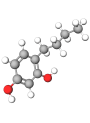
- Activated Resorcinol™ (1%) and Alpha Arbutin (2%): Both are effective whitening agents, but Activated Resorcinol™ is generally considered more potent and can be irritating, especially at the maximum recommended concentration of 1% for leave-on products. More importantly, the product description for Activated Resorcinol™ explicitly advises against using it in conjunction with Alpha Arbutin because they work through the same mechanism, and combining them increases the risk of irritation without providing additional whitening benefits. This combination should be avoided.
- Multiple Potent Actives: Your formula contains a high concentration and variety of strong whitening agents (Alpha Arbutin, Tranexamic Acid, WhiteCumin 2x, Pro Niacin, Niacinamide, Kojic Acid Dipalmitate, Activated Resorcinol). While this might seem beneficial, combining many potent actives, especially at high percentages, significantly increases the risk of skin irritation, redness, and sensitivity, which are already concerns for your skin type.
- pH and Stability: Many of these active ingredients require specific pH ranges for optimal stability and efficacy. Creating a single formula with a pH that suits all of them simultaneously while also being suitable for the gel maker and your skin can be challenging and may lead to instability or reduced effectiveness over time.
Therefore, your proposed formula, while containing beneficial ingredients individually, is not recommended as is due to the high risk of causing clogged pores and exacerbating redness and irritation.
Recommendations for Your Skin Type
For combination skin prone to clogged pores and redness, focus on formulations that are lightweight, non-comedogenic, and contain ingredients known for soothing, reducing inflammation, controlling oil, and addressing hyperpigmentation without causing irritation.
Consider a simpler gel formula focusing on ingredients like:
- Niacinamide (Vitamin B3): Excellent for reducing oiliness, minimizing pores, reducing redness and inflammation, and improving skin barrier function. Safe-B3™ is a good option as it has low flushing. A concentration of 4-5% is often effective and well-tolerated.
- Tranexamic Acid: Helps reduce redness and hyperpigmentation, including post-inflammatory erythema (red marks left after acne). A concentration of 3% is the maximum allowed in cosmetics and can be effective.
- WhiteCumin™ 2x: Provides antioxidant, anti-inflammatory, and whitening benefits. It can help calm redness and improve skin tone.
- Hyaluronic Acid (Nano Molecule): Provides hydration without heaviness, which is important for maintaining skin barrier health without clogging pores.
- Lightweight Gel Base: Use a gel maker like Pro Polymer™ in a water base, ensuring no comedogenic oils or heavy emollients are included.
- Avoid: Mineral oil, high concentrations of oil-soluble actives, and the combination of Alpha Arbutin and Activated Resorcinol.
Adding Whitening Ingredients to Existing Bases
Yes, you can potentially add whitening ingredients to existing gel bases (like Aloe Vera Gel) or watery lotions (like Hada Labo lotion), but with important considerations:
- Solubility: Ensure the whitening ingredient you want to add is soluble in the base product (water-soluble actives for water-based gels/lotions). Oil-soluble actives are difficult to incorporate into water-based products without proper emulsifiers and formulation knowledge.
- Concentration: Be mindful of the maximum recommended usage rates for the active ingredients. Do not exceed these limits by adding too much to a base product, as this can cause irritation or instability.
- Compatibility: Check for any known incompatibilities between the active ingredient and the ingredients already present in the base product. For example, Aloe Vera Gel Lite has a list of incompatible substances.
- Stability: Adding ingredients can affect the stability and preservation of the original product. The new mixture may have a shorter shelf life or require additional preservatives.
- Texture: Adding powders or liquids can change the texture and consistency of the base product.
For your skin type, adding water-soluble actives like Niacinamide, Tranexamic Acid, or WhiteCumin 2x to a lightweight, non-comedogenic base like Aloe Vera Gel Lite could be a simpler approach than formulating from scratch, provided the concentrations are appropriate and compatible with the base.
Important Consideration
Given your persistent issues with clogged pores and significant facial redness, as the staff previously advised, it would be highly beneficial to consult a dermatologist. They can help identify any underlying skin conditions or sensitivities that might be contributing to these issues and provide personalized recommendations or treatments. Self-formulating with multiple potent actives carries a risk of worsening your skin condition.
Related Products Mentioned
Alpha Arbutin (Switzerland)
Safe-B3™ (Vitamin B3, Niacinamide)
Kojic Acid Dipalmitate
Phenoxyethanol (Extra Pure)
Pro Polymer™ (Gel Maker)
Aloe Vera Gel (Lite)