Evaluation of a Serum Formulation and Mixing Procedure
Question
I have formulated a serum with the following ingredients and percentages:
- Hydroxyethyl Cellulose 1%
- Glycerine 3%
- Vitamin B3 4%
- Acetyl glucosamine 4%
- Cordycep extract 3%
- Glydant (สารกันเสีย) 0.5%
- Dimethyl Isosorbide 3%
- น้ำกลั่นปราศจากเชื้อ 81.5%
My mixing procedure is as follows:
- Divide น้ำกลั่น into two parts. Mix one part with ingredient #1 (Hydroxyethyl Cellulose) using heat (70°C) until it becomes a gel.
- Mix ingredients #2, #3, #4, #5, and #7 with the other part of น้ำกลั่น.
- Slowly pour the mixture from step 2 into the gel obtained in step 1.
- Add ingredient #6 (Glydant).
Based on this, I have the following questions:
- Can this formula be produced?
- Should anything else be added to this formula?
- Is the mixing procedure correct?
Answer
Serum Formulation Evaluation
This serum formulation contains several beneficial ingredients for skin hydration and brightening. Based on the ingredients listed and general cosmetic formulation principles, here is an assessment:
Can this formula be produced?
Yes, this formula can generally be produced. The ingredients listed are commonly used in cosmetic formulations and are compatible with each other in a water-based system.
- Hydroxyethyl Cellulose is a standard gelling agent.
- Glycerin is a humectant that is highly soluble in water.
- Vitamin B3 (Niacinamide) and Acetyl Glucosamine are water-soluble active ingredients known for their skin brightening and other benefits, and they work well together.
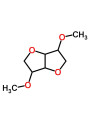
- Dimethyl Isosorbide is a penetration enhancer that helps deliver water-soluble actives into the skin.
- DMDM Hydantoin (assuming this is the Glydant preservative used) is a water-soluble preservative suitable for this type of formula.
The percentages used for each ingredient are within typical recommended ranges for cosmetic products.
Should anything else be added to this formula?
While the core formula is functional, you might consider adding a few components for improved stability and performance:
- pH Adjuster: Vitamin B3 (Niacinamide) and Acetyl Glucosamine are most stable and effective in a slightly acidic to neutral pH range (ideally between pH 4.0 and 7.0). You should measure the pH of your final mixture and adjust it if necessary using a dilute acid (like Citric Acid or Lactic Acid solution) or base (like Sodium Hydroxide solution).
- Chelating Agent: Adding a chelating agent such as Disodium EDTA can help improve the stability of the formula by neutralizing metal ions that might be present in the water or other ingredients, which can sometimes cause discoloration or degradation of active ingredients.
- Odor Masking: Dimethyl Isosorbide can have a characteristic ether-like smell. If this odor is noticeable and undesirable, you might consider adding a small amount of fragrance or an odor-masking agent.
- Cordycep Extract: Information on the specific Cordycep extract you are using is not available in our database. Ensure it is suitable for cosmetic use and water-soluble for this formulation.
Is the mixing procedure correct?
The general steps in your mixing procedure are mostly correct, but a slight refinement could improve the process:
- Step 1: Heating a portion of the water to 70°C and dispersing the Hydroxyethyl Cellulose while stirring is the correct method to properly hydrate and form the gel base.
- Step 2: Mixing Glycerin, Vitamin B3, Acetyl Glucosamine, Cordycep extract, and Dimethyl Isosorbide with the remaining water is also correct as these are water-soluble ingredients. Dimethyl Isosorbide can withstand heat, so the temperature of this water portion is flexible, but room temperature is fine.
- Step 3: Slowly adding the mixture from step 2 to the gel from step 1 while stirring is a standard way to combine the active phase with the gel base.
- Step 4: Adding the preservative (DMDM Hydantoin) at the end is appropriate. Preservatives are typically added in the cooling phase, usually below 40°C, to ensure their efficacy and stability, although DMDM Hydantoin can tolerate higher temperatures.
Refined Mixing Procedure Suggestion:
- Heat approximately 70% of the total purified water to 70°C. Slowly add Hydroxyethyl Cellulose while stirring continuously until a smooth gel is formed. Allow to cool.
- In a separate container, combine the remaining 30% of purified water (at room temperature) with Glycerin, Vitamin B3, Acetyl Glucosamine, Cordycep extract, and Dimethyl Isosorbide. Stir until all ingredients are fully dissolved.
- Once the Hydroxyethyl Cellulose gel has cooled to below 40°C, slowly add the mixture from step 2 to the gel while stirring gently until homogeneous.
- Add the preservative (DMDM Hydantoin) and stir until evenly distributed.
- Measure the pH of the final serum. Adjust the pH to the desired range (ideally 4.0-7.0) using a suitable pH adjuster if needed.
- If desired, add fragrance or odor-masking agent and stir.
Related Products Mentioned
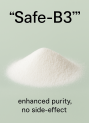
Safe-B3™ (Vitamin B3, Niacinamide)
GlucoBright™ (Acetyl Glucosamine)
Glycerin (USP/Food Grade)
Hydroxyethyl Cellulose (HEC) (4500mPa.s)
Dimethyl Isosorbide (DMI)
Hydroxyethyl Cellulose (HEC) (2800mPa.s)