Evaluation of DIY Whitening & Anti-Wrinkle Serum Formula (Argireline, Matrixyl, Alpha-Arbutin, Syn-Ake)
Question
I have created a DIY serum formula aiming for skin whitening and a 'botox' effect. The formula includes:
- Witch Hazel Alcohol-Free Toner
- Argireline (Acetyl Hexapeptide-8) 10%
- Matrixyl™ 3000 (Pal-GHK, Pal-GQPR) 8%
- Alpha-Arbutin 2%
Could you please evaluate this formula, advise on the optimal concentrations for these ingredients, and suggest any additions?
Also, I have Syn-Ake™ (Dipeptide Diaminobutyroyl Benzylamide Diacetate); what is the recommended usage percentage for this ingredient?
Answer
Evaluation of Your DIY Skincare Formula
Your proposed formula for skin whitening and a 'botox' effect is a good starting point, combining key ingredients for both purposes. Let's look at the components:
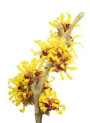
- Witch Hazel Alcohol-Free Toner: This is a suitable base for a serum or toner, providing pore-tightening benefits.
- Argireline (Acetyl Hexapeptide-8) 10%: This concentration is within the effective range (3-10%) for reducing wrinkles caused by muscle movement, like on the forehead and around the eyes.
- Matrixyl™ 3000 (Pal-GHK, Pal-GQPR) 8%: Matrixyl 3000 helps stimulate collagen synthesis and improve skin elasticity, targeting wrinkles and skin firmness. The recommended usage rate is typically 3-5% (with 3% being commonly recommended). While 8% might not be harmful, it's unlikely to provide significantly better results than the recommended maximum of 5% and could potentially affect the formula's stability or texture. Adjusting this down to 3-5% is advisable.
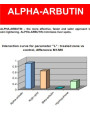
- Alpha-Arbutin 2%: This is the recommended effective concentration for Alpha-Arbutin to help brighten skin and reduce dark spots by inhibiting melanin production.
Suggested Additions (as mentioned in the reply):
The suggestion to add Vitamin B3 (Niacinamide) and N-acetyl Glucosamine is excellent for enhancing the whitening effect and providing additional skin benefits:
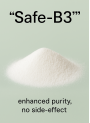
- Vitamin B3 (Niacinamide): Works to reduce hyperpigmentation, improve skin barrier function, reduce redness, and can help with oil control and fine lines. It works synergistically with N-acetyl Glucosamine for whitening.
- N-acetyl Glucosamine: Helps reduce dark spots, gently exfoliates, and stimulates the skin's own hyaluronic acid production for hydration. It significantly boosts the whitening effect when combined with Niacinamide.
For a synergistic whitening effect, a combination of Niacinamide (e.g., 2-5%) and N-acetyl Glucosamine (e.g., 2-4%) is recommended.
Formula Adjustments and Considerations:
- Matrixyl 3000 Concentration: Consider reducing Matrixyl 3000 to the recommended range of 3-5%.
- Adding B3 and N-acetyl Glucosamine: Incorporate Vitamin B3 and N-acetyl Glucosamine at their recommended synergistic concentrations.
- pH Level: Ensure the final formula has a pH between 3.5 and 6.5. This range is optimal for the stability and effectiveness of Alpha-Arbutin and Argireline, and also suitable for Vitamin B3 and N-acetyl Glucosamine.
- Mixing: Most of these ingredients are water-soluble and should be added to the water phase in the final step of your formulation, ensuring the temperature is below 40°C (ideally below 30°C for Alpha-Arbutin) to maintain their efficacy.
Overall, the initial formula is well-conceived for its goals. Adding Vitamin B3 and N-acetyl Glucosamine will significantly boost the whitening aspect.
Regarding Syn-Ake™
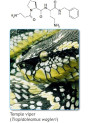
Syn-Ake™ (Dipeptide Diaminobutyroyl Benzylamide Diacetate) is a peptide designed to mimic the effect of snake venom by reducing muscle contractions, thus helping to smooth expression lines. The recommended usage rate for Syn-Ake is 1-4%, with 4% being the most effective concentration. Using it at a higher rate than 4% does not provide additional benefits and is not recommended. Therefore, Syn-Ake should not be used undiluted; it must be incorporated into a formulation at the appropriate concentration.
Related Products Mentioned
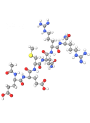
Acetyl Hexapeptide-8 (eq Argireline)
Pal-GHK, Pal-GQPR (eq Matrixyl 3000)
Alpha Arbutin (Switzerland)
Safe-B3™ (Vitamin B3, Niacinamide)