Exfoliation Mechanisms and Assessing Skin Reaction
Question
Could you please explain the different mechanisms by which various exfoliating ingredients (such as AHAs, BHAs, TCA, Urea, Sodium Lactate, Retinoids, and Enzymes) work on the skin? Also, how can I determine if the level of exfoliation from my skincare routine, which involves using multiple products, is appropriate or excessive?
Answer
Based on the expert response provided:
Different Exfoliation Mechanisms: Yes, different ingredients have different mechanisms for affecting skin cell turnover or removal.
- AHAs (Alpha Hydroxy Acids) / BHAs (Beta Hydroxy Acids) / TCA: These are considered the primary ingredients for intentional exfoliation in medical contexts. They work by reducing the adhesion between cells in the outer skin layer, causing them to shed more easily. This process shortens the skin's natural cell turnover cycle.
- Urea: This ingredient primarily exfoliates only dead skin cells, making it useful for areas with thick, hardened skin.
- Sodium Lactate: While derived from Lactic Acid (an AHA), Sodium Lactate at higher pH levels doesn't exfoliate in the same way as AHAs. Its main benefit is providing moisture, which helps the skin's natural exfoliation process work more efficiently. The perceived softening might be a combination of moisturization and mild natural shedding.
- Retinoids (Retinol, Retinal, Vitamin A derivatives): These stimulate skin cell turnover (speeding up the creation of new cells). Exfoliation (shedding of old cells) is a side effect of this accelerated turnover, not their primary function. Long-term use should ideally not cause continuous skin thinning; if it does, usage should be reduced.
- Enzymes (Papain, Bromelain, Protease): These enzymes work by digesting proteins, which softens the skin and can lead to some shedding of dead cells. However, this is different from the peeling action of AHAs and may not provide the same benefits like wrinkle reduction or even-toning as effectively.
Appropriate Level of Exfoliation: The key indicator for whether your exfoliation routine is too much is how your skin feels. If your skin feels thin, it is likely too much for continuous use. Exfoliation should help renew the skin, but continuous use should be at a level where the skin does not feel thin. Since you mentioned your skin feels normal and you have no adverse reactions, your current combination might be acceptable for you. However, it's important to monitor your skin for any signs of thinning or irritation and adjust your routine accordingly. The expert noted that it's difficult to give a definitive answer for a combination of multiple products without observing the individual's skin.
Related Products Mentioned
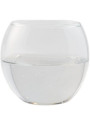
Sodium Lactate (60% Liquid, Natural)
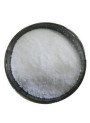
Salicylic Acid (BHA, Pharma Grade)
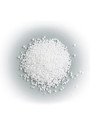
Urea (High Purity, Cosmetics, Powder)

Lactic Acid (AHA) 88%
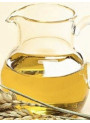
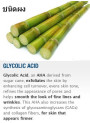
Glycopure™ (Glycolic Acid (AHA) Powder)

Capryloyl Salicylic Acid (LHA) EZ™
Retinal (Retinaldehyde)
Protease Enzyme

Papaya Enzyme (Papain)

Pineapple Enzyme (Bromelain)
