Explanation of Cosmetic Ingredient List
Question
Could you please explain the function of each ingredient in the following list, and what type of cosmetic product this formulation might be based on these ingredients?
- Aqua
- Cyclomethicone
- titanium dioxide
- Propylene Glycol
- buthylene glycol
- Cetyl Dimethicone
- Dimethicone
- Glycerin
- stearyl Dimethicone
- cetyl peg/ppg-10 Dimethicone
- ETHYLHEXYL METHOXYCINNAMATE
- Octocrylene
- Dimethicone crosspolymer
- Phenoxyethanol
- Silica
- sodium chloride
- Helianthus Annuus Seed Oil
- Magnesium Stearate
- alantoin
Answer
Understanding Your Cosmetic Ingredient List
This ingredient list contains a variety of components commonly found in cosmetic formulations, serving different purposes to create a stable, effective, and pleasant-to-use product. Here's a breakdown of the key ingredients and their functions:
Solvents and Humectants
- Aqua: Water is the primary solvent, forming the base of many cosmetic formulations.
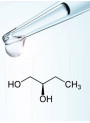
- Propylene Glycol and Butylene Glycol: These are humectants and solvents. They help to attract and retain moisture in the skin, improve the texture of the product, and can help dissolve other ingredients.
- Glycerin: Another common humectant that draws water into the skin, providing hydration.
Silicones
Silicones provide a smooth, silky feel to the product and can help with spreadability and creating a matte finish.
- Cyclomethicone: A lightweight, volatile silicone that provides a smooth feel and helps deliver other ingredients. It evaporates quickly, leaving a non-greasy finish.
- Dimethicone: A versatile silicone polymer used for skin conditioning, providing a smooth feel, and reducing tackiness.
- Cetyl Dimethicone, Stearyl Dimethicone, Cetyl PEG/PPG-10 Dimethicone: These are modified silicones that can act as emollients, emulsifiers, or texture enhancers, contributing to the feel and stability of the formulation.
- Dimethicone Crosspolymer: This forms a gel-like structure, providing a matte finish and a silky texture.
- PEG/PPG-20/15 Dimethicone: A water-soluble silicone that can improve the feel of water-based formulas and help stabilize emulsions.
UV Filters
These ingredients provide protection against ultraviolet radiation from the sun.
- Titanium dioxide: A mineral UV filter that provides broad-spectrum protection against UVA and UVB rays. It also acts as a white pigment.
- Ethylhexyl Methoxycinnamate and Octocrylene: Organic chemical UV filters that absorb UV radiation.
Powders and Texture Enhancers
These ingredients contribute to the texture, feel, and appearance of the product, often providing oil absorption or a matte finish.
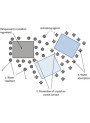
- Silica: Can be used as an absorbent, a thickening agent, or for providing a mattifying effect.
- Magnesium Stearate: Often used in powder formulations to improve adhesion and texture.
Other Notable Ingredients
- Phenoxyethanol: A common preservative used to prevent the growth of bacteria, yeast, and mold in cosmetic products.
- Sodium Chloride: Table salt, which can be used as a thickener in some formulations or for other functional purposes.
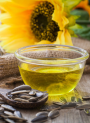
- Helianthus Annuus Seed Oil (Sunflower Oil): An emollient oil that provides skin conditioning benefits.
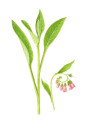
- Allantoin: Known for its soothing and skin-conditioning properties, helping to reduce irritation and promote skin regeneration.
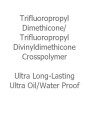
- Trifluoropropyl Dimethicone/Trifluoropropyl Divinyldimethicone Crosspolymer: A fluorosilicone that can provide water and oil resistance, often used in long-lasting makeup.
This combination of ingredients suggests a formulation designed to provide hydration, a smooth feel, UV protection, and a stable product with a pleasant texture.
Related Products Mentioned
Allantoin
Propylene Glycol (USP)
Glycerin (USP/Food Grade)
Magnesium Stearate
Butylene Glycol
Sunflower Oil (High Omega, Refined)
Anti-Caking Silica
Titanium Dioxide Nanosil
Sodium Chloride (High Purity, 99.9%)
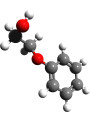
Phenoxyethanol P5
PEG/PPG-20/15 Dimethicone