Extending Shelf Life of Infused Oils for Face Oil
Question
I want to make infused oil to use the extracted oil in a face oil formulation. However, based on my research, natural oils like almond oil, coconut oil, and olive oil don't have a long shelf life if not preserved, or they can go rancid if not stored properly. I would like to know:
1. If adding Vitamin E oil to the oil will help extend its life and quality, and for how long?
2. If I want to add a preservative suitable for sensitive skin to the oil, which one should I use, how should it be used, and what is the recommended percentage?
3. Is Vitamin E oil considered a preservative?
Answer
Extending the Shelf Life of Infused Oils
Natural oils like almond oil, coconut oil, and olive oil can go rancid over time due to oxidation. To extend their shelf life and maintain quality, antioxidants are typically used, not traditional preservatives which prevent microbial growth (not a concern in pure oils).
Here are the answers to your questions:
Using Vitamin E as an Antioxidant: Vitamin E (such as Tocopheryl Acetate or dl-alpha tocopherol) acts as an antioxidant, helping to protect oils from oxidation and thus preventing rancidity. While it helps extend the life and quality of the oil, the exact duration depends on various factors like the type of oil, storage conditions, and the concentration of Vitamin E used. It doesn't provide an indefinite shelf life, but it significantly slows down the oxidation process compared to using no antioxidant.
Suitable Antioxidants for Sensitive Skin: For preventing rancidity in oils, antioxidants are needed. Several options are available:
- Vitamin E (Tocopheryl Acetate or dl-alpha tocopherol): These are common antioxidants for oils. Tocopheryl Acetate is more stable, while dl-alpha tocopherol is generally considered a more effective antioxidant. A recommended usage rate for Tocopheryl Acetate as an antioxidant for other oils is around 0.01%. For dl-alpha tocopherol, usage rates can vary, but it's often used at low concentrations for its antioxidant effect on the oil itself.
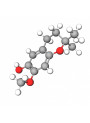
- Dimethylmethoxy Chromanol (1%, Oil Based): This is a potent antioxidant that is more effective than Vitamin E at preventing oxidation in natural oils. It is oil-based and can be used at a rate of 0.1%. It is a good option for enhancing the stability of your infused oil.
- Protec™ OX: This is a highly effective synthetic antioxidant. It is more potent than Vitamin E. It is a powder that needs to be dissolved in oil with heat (70-80°C). The recommended usage rate is 0.01% to 0.5%.
For sensitive skin, natural antioxidants like Vitamin E might be preferred. Dimethylmethoxy Chromanol is also a good option due to its effectiveness at a low concentration.
Is Vitamin E a Preservative? No, Vitamin E is not a traditional preservative. Preservatives are used to prevent the growth of microorganisms like bacteria and fungi, which require water to grow. Pure oils are anhydrous (contain no water), so microbial spoilage is not an issue. Vitamin E is an antioxidant, and its role in oil formulations is to prevent oxidation, which leads to rancidity and off smells. Therefore, it helps maintain the quality and extends the shelf life by preventing oxidation, but it does not protect against microbial contamination if water is introduced into the product.
Related Products Mentioned
Vitamin E (Tocopheryl Acetate)