Eye Cream Formulation for Dark Circles and Wrinkles
Question
I am developing a comprehensive eye cream formulation targeting dark circles and fine lines. My proposed formula includes the following ingredients and percentages:
- Hyaluronic Acid Gel Base
- Glucosamine (N-Acetyl-D) 4%
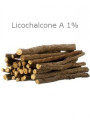
- Licorice Root Extract (Licochalcone A) 1.0%
- Vitamin B3 (Niacinamide) [Original concentration, likely 5%]
- Argireline 5%
- Matrixyl™ 3000 5%
- Leuphasyl 5%
- Eyeseryl 8%
- REGU®-AGE 5%
- Malus Domestica - Apple Stem Cell Extract 5%
- Green Tea Extract
Could you please provide feedback on this formulation? Specifically, I would like to know:
- Is this combination of ingredients suitable and effective for treating dark circles and fine lines around the eyes?
- What is the recommended concentration for Vitamin B3 (Niacinamide) in an eye cream, considering the delicate skin in this area? Is 2% or 5% more appropriate?
- Would replacing Green Tea Extract with Liquid Beta Glucan be beneficial for targeting dark circles caused by inflammation?
Answer
Eye Cream Formulation Feedback
Thank you for sharing your proposed eye cream formulation. It's a comprehensive list targeting dark circles and fine lines, which aligns with your goal for a "full-on" eye treatment. Addressing dark circles caused by lack of sleep and fine lines requires a multi-faceted approach, and many of the ingredients you selected are well-suited for this.
Here's an evaluation of your proposed formula and some recommendations, incorporating the feedback from the forum thread:
Evaluation and Recommendations
Redundancy: While some ingredients might have overlapping benefits (e.g., multiple peptides for wrinkles), this is often intentional in targeted treatments to enhance efficacy through different mechanisms. For a comprehensive eye treatment, combining these can be beneficial rather than strictly redundant.
Ingredient Adjustments:
- Green Tea Extract: As suggested in the thread, replacing Green Tea Extract with Liquid Beta Glucan is a good idea. Green Tea is a great antioxidant, but Liquid Beta Glucan (such as Beta Glucan 70%) offers strong anti-inflammatory properties which are particularly helpful for dark circles caused by inflammation due to lack of sleep.
- Liquid Beta Glucan: Adding Liquid Beta Glucan at around 5% (as discussed) would be a valuable addition to specifically target inflammation-induced dark circles.
- The other ingredients you listed – Glucosamine (N-Acetyl-D), Licorice Root Extract (Licochalcone A), Vitamin B3 (Niacinamide), Argireline, Matrixyl™ 3000, Leuphasyl, Eyeseryl, REGU®-AGE, and Malus Domestica - Apple Stem Cell Extract – are all beneficial for the eye area, addressing pigmentation, wrinkles, and overall skin health. Keeping them aligns with your goal for an intensive treatment.
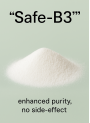
Vitamin B3 (Niacinamide) Concentration: It's great that the system now allows selecting Vitamin B3 2% for testers. As confirmed by the staff and generally recommended, using Vitamin B3 (Niacinamide) at 2% is preferable for the delicate skin around the eyes compared to 5%, as it minimizes the risk of irritation while still providing benefits for dark circles and skin strengthening.
Revised Suggested Formula (based on your list and feedback):
- Base: Hyaluronic Acid Gel Base
- Actives:
- Glucosamine (N-Acetyl-D) 4%
- Licorice Root Extract (Licochalcone A) 1.0%
- Vitamin B3 (Niacinamide) 2%
- Argireline 5%
- Matrixyl™ 3000 5%
- Leuphasyl 5%
- Eyeseryl 8%
- REGU®-AGE 5%
- Malus Domestica - Apple Stem Cell Extract 5%
- Liquid Beta Glucan 5% (replacing Green Tea Extract)
This combination provides a powerful blend of ingredients targeting multiple causes of dark circles (pigmentation, inflammation, circulation) and different types of wrinkles (expression lines, collagen loss) for a comprehensive eye treatment.
Remember to follow the mixing instructions for each ingredient, especially regarding temperature and pH, and ensure proper preservation for the final product.
Related Products Mentioned
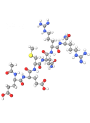
Acetyl Hexapeptide-8 (eq Argireline)
Pal-GHK, Pal-GQPR (eq Matrixyl 3000)
Safe-B3™ (Vitamin B3, Niacinamide)
GlucoBright™ (Acetyl Glucosamine)

REGU®-AGE (CB)


Pep®-Eye (Acetyl Tetrapeptide-5)
Hyaluronic Acid Gel Base