Eye Cream Formulation Review and Improvement
Question
I would like to inquire about an Eye Cream for wrinkle reduction.
Here is the formulation:
- WATER: 79%
- Salmon Roe Extract: 2%
- Natural Glycogen: 1%
- Active Caffeine™: 3%
- Vitamin A Retinyl Acetate: 1%
- Ethoxydiglycol: 2%
- Natto Gum: 5%
- 1,2-Hexanediol: 3%
- Vitamin E (dl-alpha tocopherol): 1%
- Light Cream Maker: 2%
- Phospholipid: 1%
Total: 100%
My questions are:
- Can this formula be mixed together?
- Should anything else be added or removed?
Thank you very much.
Answer
Eye Cream Formulation Analysis
Based on the ingredients listed, this formula is designed as a water-based cream targeting anti-aging and potentially reducing puffiness around the eyes. The ingredients included are generally compatible for mixing into a cream texture.
- Active Ingredients: The formula includes several beneficial actives such as Salmon Roe Extract, Natural Glycogen, Encapsulated Caffeine, Vitamin A Acetate, and Vitamin E (dl-alpha tocopherol). These ingredients are known for their potential to improve skin elasticity, reduce the appearance of wrinkles, provide antioxidant protection, and help with puffiness.
- Texture and Stability: Ingredients like Light Cream Maker, Phospholipid, and Natto Gum work together to create the cream structure and emulsify the formula. Ethoxydiglycol and 1,2-Hexanediol act as solvents and penetration enhancers, helping the active ingredients absorb into the skin. 1,2-Hexanediol also offers some mild antimicrobial properties.
Can the formula be mixed together?
Yes, the ingredients listed in your formula are generally compatible and can be mixed to create an eye cream. The percentages add up correctly to 100%.
Should anything be added or removed?
While the formula contains good active ingredients, there are crucial aspects that should be addressed for safety and stability:
- Preservation: The most significant addition needed is a broad-spectrum preservative system. Although 1,2-Hexanediol has some preservative booster properties and mild antimicrobial activity, it is typically not sufficient on its own to protect a water-based product like this from microbial contamination over time, especially for a product intended for use around the eyes. Adding a suitable preservative blend is essential to ensure the safety and shelf life of the product. You would need to slightly reduce the percentage of water to incorporate the preservative.
- pH Adjustment: The formula does not mention pH adjustment. For optimal efficacy and stability of ingredients like Vitamin A Acetate, and for skin compatibility, the final pH of the cream should be adjusted to an appropriate range (often slightly acidic, around pH 5.5-6.0 for Vitamin A stability and skin health).
- Stability of Vitamin A: Vitamin A Acetate, while more stable than some other forms of Vitamin A, can still be sensitive to light and air. While Vitamin E provides some antioxidant support, consider using opaque and airtight packaging to help protect the Vitamin A from degradation. Stability testing of the final formula is also recommended.
In summary, the formula is a solid base with effective actives, but adding a proper preservative system and adjusting the pH are critical steps to make it safe, stable, and effective for use.
Related Products Mentioned
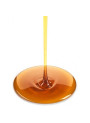
Vitamin E (dl-alpha tocopherol)
Ethoxydiglycol (e.q. Transcutol)
Light Cream Maker™

Natto Gum Extract
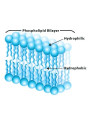
Phospholipid