Eye Irritation from Homemade Cleansing H2O
Question
My homemade Cleansing H2O causes eye irritation. What is the cause, and how can I fix it? The staff suggested adjusting the concentration of the surfactant. I used [url=http://www.myskinrecipes.com/shop/33-%E0%B8%AA%E0%B8%B2%E0%B8%A3%E0%B8%A5%E0%B8%94%E0%B9%81%E0%B8%A3%E0%B8%87%E0%B8%95%E0%B8%B6%E0%B8%87%E0%B8%9C%E0%B8%B4%E0%B8%A7:2yuny3q7]สารซักฟอก[/url:2yuny3q7].
Answer
Addressing Eye Irritation in Cleansing H2O
Based on the information and the staff's reply, the eye irritation you experienced when using your homemade Cleansing H2O is most likely caused by the surfactant (detergent) used in the formula.
Surfactants are effective at removing makeup and impurities, but some types and concentrations can be too harsh for the delicate skin around the eyes, leading to stinging or irritation.
To address this issue, you should consider the following:
- Reduce the concentration of the current surfactant: As suggested by the staff, lowering the percentage of the surfactant in your formula is the most direct way to reduce its potential for irritation. Start by reducing it slightly and test the formula again.
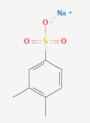
- Consider using a milder surfactant: Some surfactants are known to be gentler than others. For example, Sophorolipid is a natural surfactant described as gentle on the skin and suitable for makeup remover products. Sodium Xylene Sulfonate is another surfactant, often used in cleaning formulas, but its suitability for the eye area at higher concentrations might be a factor in irritation. Choosing a surfactant specifically known for its mildness, especially for eye area products, can help.
- Check the pH of your formula: The pH of the product can also affect irritation. A pH that is too high or too low compared to the natural pH of tears (around 7.4) can cause stinging. While the tools didn't provide pH information for the final formulation, ensuring the overall pH of your Cleansing H2O is close to neutral or slightly alkaline might help reduce eye irritation.
Experiment with adjusting the surfactant concentration first. If irritation persists, you might explore replacing the current surfactant with a milder alternative like Sophorolipid, ensuring you follow the recommended usage rates. Always test the adjusted formula on a small area first, especially around the eyes, to check for any adverse reactions.