Eye Serum Formulation for Wrinkles: Texture & Stability Inquiry
Question
I am developing an eye serum formulation focused on wrinkle reduction. I would like the final product to have a clear, slippery, and slightly viscous gel texture.
My proposed formula is as follows:
- Argireline (Acetyl Hexapeptide-8): 5%
- Pep-Coll (Palmitoyl tripeptide-5): 3%
- Ceramide Complex (Water/Oil Dispersible Powder): 5%
- Cucumber Extract: 3%
- Glycerin (Vegetable): 5%
- Butylene Glycol: 10%
- Pro Polymer™ (Gel Maker): 2%
- Phenoxyethanol: 0.5%
- Distilled Water: Balance
I received feedback that 2% Pro Polymer might result in a very thick gel. Given the high concentration of glycols (Butylene Glycol and Glycerin) in my formula, what is the optimal concentration of Pro Polymer to achieve a slightly viscous gel texture, and are there any other considerations regarding ingredient compatibility or mixing procedure to ensure clarity, slipperiness, and stability?
Answer
Eye Serum Formulation Analysis
Your proposed formula includes several excellent ingredients for targeting wrinkles and providing hydration around the delicate eye area.
- Argireline (Acetyl Hexapeptide-8) 5%: This peptide is known for its ability to help reduce the appearance of expression wrinkles, particularly around the eyes and forehead, by targeting muscle contractions. The 5% concentration is within the effective range (3-10%).
- Pep-Coll (Palmitoyl tripeptide-5) 3%: This peptide works by stimulating collagen production, which helps to improve skin firmness and reduce wrinkle depth. The 3% concentration is the recommended usage rate and has shown good results in studies.
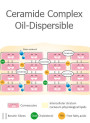
- Ceramide Complex 5%: Ceramides are crucial for maintaining the skin's barrier function, which is especially important for the thin skin around the eyes. They help to keep the skin hydrated and protected. The proposed 5% is higher than the generally recommended range (0.1-3%, with 1% recommended). While higher concentrations might offer increased barrier support, 1-3% is often sufficient, and using 5% could impact the final texture and cost. The specific type of Ceramide Complex (Water/Oil Dispersible Powder) requires careful dispersion, often involving heat and a glycol like Butylene Glycol, before being incorporated into the water phase.
- Cucumber Extract 3%: Cucumber extract is known for its soothing and hydrating properties, making it suitable for the sensitive eye area. The 3% concentration is within the typical usage rate (3-5%). It should be added to the water phase, avoiding high heat.
- Glycerin (Vegetable) 5%: Glycerin is a highly effective humectant that draws moisture into the skin, contributing to hydration and a smooth feel. 5% is a standard and effective concentration.
- Butylene Glycol 10%: Butylene Glycol acts as a solvent for ingredients and a humectant, enhancing the texture and feel of the serum. The 10% concentration is within the recommended range (1-20%) and will contribute to the slippery texture you desire.
- Pro Polymer™ (Gel Maker) 2%: This is your primary gelling agent. The product description indicates that 0.8% is typically recommended for a general gel texture, while amounts over 3% create a creamy, pudding-like texture. Your proposed 2% is in the middle. As noted by cosmeceutical7, 2% might indeed result in a quite viscous gel ("เจลหนืดมากๆ"), potentially thicker than "slightly viscous" ("หนืดเจลนิดๆ"), especially when combined with high levels of glycols like 10% Butylene Glycol and 5% Glycerin. The product description also mentions that higher amounts (2-3%) might be needed if the formula contains significant electrolytes or glycols (>5%), which is the case here. To achieve a "slightly viscous" texture, you might consider reducing the Pro Polymer to 1-1.5% and testing the viscosity, keeping in mind that the high glycol content already provides some body and slip.
- Phenoxyethanol 0.5%: This is a common and effective preservative. For eye products, the recommended maximum usage rate is 0.5%, so your proposed concentration is appropriate for preservation while minimizing potential irritation in the eye area.
Regarding the feedback from cosmeceutical7:
- The comment about Pro Polymer at 2% potentially being too thick aligns with the product description's guidance that 0.8% is typical for a general gel. Given your goal of a "slightly viscous gel," reducing the Pro Polymer percentage to 1-1.5% might be necessary, although the high glycol content could require at least 1% or slightly more to form a stable gel. Testing different percentages is key to achieving your desired texture.
- The personal preference against Glycerin or Butylene Glycol is noted. However, both ingredients are widely used, safe, and functional in cosmetic formulations, contributing significantly to hydration, texture, and ingredient solubility. Your chosen percentages are within standard usage rates.
To achieve the desired texture (clear, slippery, slightly viscous gel):
- The combination of 10% Butylene Glycol and 5% Glycerin will provide good slip and hydration.
- Carefully control the Pro Polymer concentration. While 2% might be needed to gel effectively with the high glycol content, it could result in a thicker gel than desired. Start with a lower percentage (e.g., 1-1.5%) and test based on your texture tests. Remember to follow the recommended mixing method for Pro Polymer when using high amounts of glycols (dispersing Pro Polymer in the glycols first).
- Ensure the Ceramide Complex is properly dispersed. The Water/Oil Dispersible Powder type requires heating and dispersion in a glycol like Butylene Glycol before adding to the water phase.
Suggested Mixing Method (General Outline):
- Combine distilled water and Butylene Glycol.
- Disperse the Ceramide Complex powder in a small amount of the Butylene Glycol (or a separate portion of Butylene Glycol + Glycerin) and heat to 70-80°C while stirring until dispersed. Add this to the main water/glycol phase.
- Add Glycerin to the main water/glycol phase.
- Disperse Pro Polymer into the water/glycol phase while stirring slowly until a smooth gel forms. If using the method for high glycols, disperse Pro Polymer into the combined Butylene Glycol and Glycerin first, then add to water. Avoid over-mixing.
- Once the gel is formed and cooled below 40°C, add Argireline, Pep-Coll, and Cucumber Extract.
- Add Phenoxyethanol and mix until uniform.
- Check and adjust the pH to be between 5-6 to be suitable for both Argireline and Cucumber Extract.
Related Products Mentioned
Acetyl Hexapeptide-8 (eq Argireline)
Pep®-Coll (Palmitoyl tripeptide-5)
Glycerin (USP/Food Grade)
Phenoxyethanol (Extra Pure)
Cucumber Extract (France)
Pro Polymer™ (Gel Maker)