Eyebrow Gel Formulation Analysis and Ingredient Alternatives
Question
Could you please analyze the following eyebrow gel formulation, including typical usage percentages for each ingredient and suggesting alternatives for ingredients that are unavailable? The desired properties for the finished product are a thick creamy texture, clear color payoff, long-lasting wear, waterproofness, and ease of spreading.
The ingredient list is as follows:
- Aqua (Water)
- Alcohol denat.
- Butylene Glycol
- Aluminum starch octenylsuccinate
- Polyacrylamide
- Phenoxyethanol
- Ethylhexylglycerin
- Polysorbate 60
- C13-14 isoparaffin
- Methylparaben
- Carbomer
- Sodium Hydroxide
- Laureth-7
- Parfum (Fragrance)
- Sodium Hyaluronate
- glycerin
- Sodium citrate
- Xanthan Gum
- Titanium Dioxide (CI 77891)
- Iron Oxides (CI 77491, CI 77492, CI 77499)
Answer
Eyebrow Gel Formulation Analysis
This formula aims for a thick, pigmented, long-lasting, and waterproof texture that is easy to apply. The combination of various thickeners, film formers, and pigments contributes to these properties.
Ingredients and Functions
- Water (Aqua): The primary solvent, forming the base of the gel.
- Typical Usage: 50-70%
- Product Example: Purified Water
- Alcohol denat.: A solvent that helps dissolve other ingredients and contributes to faster drying time and potentially smudge resistance.
- Typical Usage: 5-15%
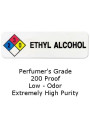
- Product Example: Ethyl Alcohol
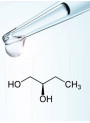
- Butylene Glycol: A humectant (attracts and retains moisture) and solvent, improving texture and spreadability.
- Typical Usage: 2-10%
- Product Example: Butylene Glycol
- Aluminum starch octenylsuccinate: A modified starch powder that acts as a texturizer, mattifier, and oil absorber. It helps reduce tackiness and improve the feel on the skin.
- Typical Usage: 1-5%
- Product Example: Aluminum Starch Octenylsuccinate
- Polyacrylamide, C13-14 isoparaffin, Laureth-7: This combination is a pre-neutralized polymeric thickener and emulsifier system (often sold under trade names like Sepigel 305). It provides significant thickening, emulsifies oils into the water phase, and contributes to formula stability and film formation for long wear.
- Typical Usage: 1-5% (as the blend)
- Product Example: Sepigel 305
- Alternatives: Other polymeric thickeners like Aristoflex AVC or Sepinov EMT10 could potentially be used, but may require formula adjustments.
- Phenoxyethanol: A common preservative to prevent microbial growth.
- Typical Usage: 0.5-1.0%
- Product Example: Phenoxyethanol
- Alternatives: Phenoxyethanol SA (a blend with Ethylhexylglycerin) or other broad-spectrum preservative blends.
- Ethylhexylglycerin: A preservative booster and humectant, often used in combination with Phenoxyethanol for broad-spectrum preservation.
- Typical Usage: 0.3-1.0%
- Product Example: Ethylhexylglycerin
- Polysorbate 60: A non-ionic emulsifier that helps blend oil and water components and can also act as a solubilizer for fragrance.
- Typical Usage: 0.5-2.0%
- Related Product: Polysorbate 85 (a similar emulsifier)
- Alternatives: Other Polysorbate types (e.g., 80) or other suitable emulsifiers depending on the oil phase composition.
- Methylparaben: A paraben preservative, effective against fungi and bacteria.
- Typical Usage: 0.1-0.4%
- Related Product: Sodium Paraben (a water-soluble paraben)
- Alternatives: If avoiding parabens, alternative preservative systems would be needed (e.g., increasing Phenoxyethanol/Ethylhexylglycerin or using blends like NaturePreserve Ultra).
- Carbomer: A synthetic polymer used as a thickener and gelling agent. It requires neutralization with a base (like Sodium Hydroxide) to achieve its full viscosity. It contributes to the gel structure and stability.
- Typical Usage: 0.1-1.0%
- Product Example: Carbomer 940
- Alternatives: Other Carbomer grades or alternative water-phase thickeners like Xanthan Gum (already present) or Hydroxyethyl Cellulose.
- Sodium Hydroxide: A strong base used to neutralize Carbomer, forming the gel structure.
- Typical Usage: Amount needed to neutralize Carbomer (typically 0.05-0.2%)
- Product Example: Sodium Hydroxide
- Laureth-7: An ethoxylated alcohol used as an emulsifier and surfactant, often part of the Sepigel 305 system.
- Typical Usage: Included in the Sepigel 305 blend (or 0.1-5% if used separately as an emulsifier).
- Product Example: Laureth-7
- Parfum (Fragrance): Added for scent.
- Typical Usage: 0.1-1.0%
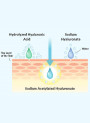
- Sodium Hyaluronate: A form of Hyaluronic Acid, a powerful humectant that provides hydration and can contribute slightly to viscosity.
- Typical Usage: 0.01-0.1%
- Product Example: Super-HYA (Sodium Acetylated Hyaluronate)
- Alternatives: Other molecular weights or types of Sodium Hyaluronate.
- glycerin: Another common humectant and solvent, similar to Butylene Glycol, adding moisture and improving texture.
- Typical Usage: 2-10%
- Product Example: Glycerin
- Sodium citrate: Used as a buffering agent to help maintain the formula's pH.
- Typical Usage: 0.1-0.5%
- Product Example: Sodium Citrate
- Xanthan Gum: A natural polysaccharide gum used as a thickener and stabilizer, preventing pigment settling and contributing to the gel texture.
- Typical Usage: 0.1-1.0%
- Product Example: Xanthan Gum (clear gel type)
- Alternatives: Other gums like Guar Gum or Cellulose Gum, but they may yield different textures.
- Titanium Dioxide (CI 77891): A white pigment used to provide opacity and lighten the shade of the Iron Oxides.
- Typical Usage: 1-10% (depending on desired color depth)
- Product Example: Titanium Dioxide 200nm EasyDisperse
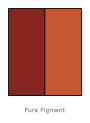
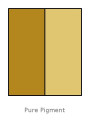
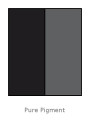
- Iron Oxides (CI 77491, CI 77492, CI 77499): The primary pigments used to create the brow color (Red, Yellow, and Black Iron Oxides). The ratio of these three determines the final shade.
- Typical Usage: 1-15% total Iron Oxides (ratio varies by shade)
- Product Examples: Iron Oxides Red (Triethoxycaprylylsilane Coated), Iron Oxides Yellow (Triethoxycaprylylsilane Coated), Iron Oxides Black (Triethoxycaprylylsilane Coated)
Achieving Desired Properties
- Thick Creamy Texture: Achieved by the combination of thickeners: Polyacrylamide system (Sepigel 305), Carbomer, and Xanthan Gum. The interaction between these polymers creates the desired viscosity.
- Color Payoff: Provided by Titanium Dioxide and Iron Oxides. Higher pigment concentration results in more intense color. Using surface-treated pigments improves dispersion and color strength.
- Long-lasting & Waterproof: The polymeric thickeners (Sepigel 305, Carbomer, Xanthan Gum) and potentially Aluminum Starch Octenylsuccinate contribute to film formation and water resistance. The C13-14 Isoparaffin can also help create a more water-resistant film upon drying. Adding a dedicated film former like Trimethylsiloxysilicate could further enhance these properties.
- Easy to Spread: Humectants like Butylene Glycol and Glycerin, along with emollients like C13-14 Isoparaffin, help ensure the gel spreads smoothly before setting. Aluminum Starch Octenylsuccinate also reduces tackiness.
Summary of Potential Substitutes
If certain ingredients are unavailable, consider these alternatives:
- Polyacrylamide/C13-14 Isoparaffin/Laureth-7 (Sepigel 305): Aristoflex AVC or Sepinov EMT10 (note: these are different polymer types and may require formula adjustments).
- Phenoxyethanol: Phenoxyethanol SA or other approved cosmetic preservative blends.
- Polysorbate 60: Polysorbate 85 or other suitable non-ionic emulsifiers.
- Methylparaben: Sodium Paraben or alternative broad-spectrum preservatives (adjusting the primary preservative system).
- Carbomer: Other Carbomer grades or alternative water-phase thickeners like Hydroxyethyl Cellulose.
- Titanium Dioxide / Iron Oxides: Ensure any substitute pigments are cosmetic grade and suitable for use around the eye area. Consider surface-treated versions for better performance.
Remember that substituting ingredients may require adjusting the percentages of other components to maintain the desired texture, stability, and performance of the final product. Always perform small test batches when making substitutions.
Related Products Mentioned
Glycerin (USP/Food Grade)
Phenoxyethanol (Extra Pure)
Butylene Glycol
Sodium Hydroxide
Ethylhexylglycerin
Carbomer 940 (EasyDisperse™, France)
Purified Water, TDS Limit 1PPM)

Phenoxyethanol SA (eq. Optiphen Plus)
SepGEL 305
Aristoflex AVC
Sodium Paraben (Sodium Ethyl Paraben)