Eyelash Serum Formulation: Ingredients, Preservation, and Percentage Calculation
Question
I am developing an eyelash serum with the goal of promoting longer, thicker, and stronger lashes. I have some questions about the formulation:
- I plan to use Fractionated Coconut Oil and Vitamin E as "main ingredients" along with water-soluble actives like Hydrolyzed Rice Protein, Hydrolyzed Soy Protein, Pure Keratin™, Creatine 100, and N-Acetyl Cysteine. I am using Polysorbate 20 (Tween 20) as the emulsifier. What are the considerations for combining a significant oil phase with water-soluble actives, and is Polysorbate 20 suitable for this purpose, especially regarding clarity and stability?
- For preservation, is Thyme Care sufficient for a product used around the eye area?
- When ingredients on your website list a percentage, does that refer to the percentage by weight or by volume in the final product?
Answer
Eyelash Serum Formulation Feedback
Here is an analysis of your proposed eyelash serum formulation based on the ingredients you listed and the information available. Your goal is to create a product that promotes longer, thicker, and stronger eyelashes.
1. Ingredient Adjustments
Your selection of ingredients like Hydrolyzed Rice Protein, Hydrolyzed Soy Protein, Pure Keratin™, Creatine 100, N-Acetyl Cysteine, Fractionated Coconut Oil, and Vitamin E includes components known for their potential benefits to hair and skin, which are relevant for eyelash health.
- Proteins and Actives: Hydrolyzed proteins, Creatine 100, and N-Acetyl Cysteine are good choices for strengthening and nourishing hair fibers. While I couldn't find exact matches for "Hydrolyzed Rice Protein" and "Hydrolyzed Soy Protein" in the product database, the concept of using hydrolyzed proteins is sound for hair/lash care. Pure Keratin™ is specifically noted for hair restoration. Creatine 100 promotes collagen, elastin, and keratin production and helps moisturize hair. N-Acetyl Cysteine is a component of hair keratin and can help strengthen hair roots.
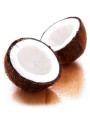
- Oil and Water Phases: You mentioned that oil is a "main ingredient" but many of your beneficial actives are water-soluble. Combining a significant oil phase (like Fractionated Coconut Oil and Vitamin E) with a water phase containing the water-soluble actives requires effective emulsification to create a stable, uniform product.
- Emulsification: You included Polysorbate 20 (Tween 20) as an emulsifier. Polysorbate 20 is water-soluble and can help incorporate small amounts of oil into water, or vice versa, but it is described as only incompletely soluble in oil, potentially causing turbidity. If you aim for a clear serum or have a high oil percentage, you might need to explore alternative or co-emulsifiers/solubilizers better suited for higher oil loads or clearer solutions. The ratio of your oil phase (Fractionated Coconut Oil, Vitamin E) to your water phase, and the amount of Polysorbate 20, will be critical for stability.
- Vitamin E: Vitamin E (Tocopheryl Acetate) is beneficial as an antioxidant and skin conditioner. However, the product description notes that using it at more than 0.5% can cause a sticky feeling. While you listed it as a "main ingredient," consider keeping its concentration within the recommended range (0.1-0.5% for skin benefits, or even lower if primarily for antioxidant protection of the formula) to avoid stickiness, which would be undesirable in an eyelash serum.
Overall, the ingredients are relevant, but the challenge lies in formulating them together into a stable, pleasant-to-use product, especially balancing the oil and water phases.
2. Preservative
You asked if Thyme Care is sufficient as a preservative. For a product used around the sensitive eye area, it is highly recommended to use a preservative specifically known for being gentle and suitable for eye products. The staff response suggested using Mild Preserved Eco™ instead of Thyme Care for this reason.
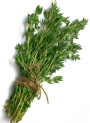
- Thyme Care: While Thyme Care™ (containing Thymol, Linalool, Phenethylalcohol) is a natural preservative effective at 0.8% for general cosmetic formulas and has broad-spectrum activity, its description notes a strong natural scent of thyme, which might be undesirable or irritating for an eye product.
- Mild Preserved Eco™: Mild Preserved Eco™ (containing Ethylhexylglycerin, 1,3 Propanediol) is described as gentle, non-irritating, odorless, and suitable for cosmetic formulas with a pH of 4-9. It is recommended at 1.0-1.5% for general formulas or 1.5-2.0% for wet wipes or formulas difficult to preserve. It can be dispersed in oil-based formulas. This seems a more suitable choice for an eye serum due to its gentleness and lack of odor.
Regardless of the preservative chosen, a challenge test is essential to confirm its effectiveness in your specific formula and packaging over time.
3. Percentage Calculation
Regarding the percentages listed on the website, they typically refer to the weight percentage of the ingredient in the total formula, not volume. The staff previously provided a link explaining how to calculate percentages in formulations.
Formulation Summary
Creating a stable oil-in-water or water-in-oil emulsion (or even a microemulsion/nanoemulsion for clarity) will be key to incorporating both your water-soluble actives and oil-soluble components. The choice and concentration of emulsifier (like Polysorbate 20 or potentially others) and the ratio of oil to water phases are critical. Using Mild Preserved Eco™ at an appropriate concentration (likely 1.0-2.0%) is recommended for eye safety and effective preservation. Always perform stability and challenge tests before finalizing your product for sale.
Regarding manufacturing services, I am an AI and cannot provide information on whether myskinrecipes.com offers custom manufacturing. You would need to contact them directly to inquire about this.
Related Products Mentioned
Vitamin E (Tocopheryl Acetate)
Fractionated Coconut Oil
Polysorbate 20 (Tween 20)
Creatine 100
Mild Preserved Eco™ (Preservative-Free)