Face Oil Formulation: Incorporating Water-Soluble Ingredients and Ingredient Substitution
Question
I have a list of ingredients for a Face Oil product. How is this type of formulation typically created, especially when it includes water-soluble ingredients such as L-ascorbic acid, MSM, and L-Arginine alongside oils?
What is the general process for incorporating these ingredients into an oil base? Additionally, I would like to know which of the oils (Jojoba oil, Macadamia oil, Indian Fig seed oil, Tamanu oil, Sea Buckthorn oil) can be substituted, and which ingredients (including the extracts like Centella Asiatica Extract (Madecassoside 90%) and Pure-TECA Centella Asiatica Extract) are considered essential for the product's performance and effects?
Answer
Understanding the Face Oil Formulation
Based on the ingredient list provided and the staff's feedback, here's an analysis of the face oil formulation:
Formulation Process
The ingredient list includes components like L-ascorbic acid (Vitamin C), MSM, and L-Arginine, which are typically water-soluble powders. The staff correctly pointed out that the absence of water in the listed ingredients suggests the list might be incomplete, or the formulation uses a method to incorporate these water-soluble ingredients into an oil base without fully dissolving them in a separate water phase. L-ascorbic acid, for instance, is known to be unstable in water. If it remains undissolved or dispersed in the oil phase, its degradation due to water is minimized. Other ingredients like Centella Asiatica Extract (Madecassoside 90%) and Pure-TECA Centella Asiatica Extract are noted as not soluble in water or oil but dispersible or soluble in glycols with heat, further indicating this is not a simple oil blend. The exact mixing steps are not detailed, but it would involve carefully combining the oil-soluble and water-soluble/dispersible components, possibly through dispersion or a complex emulsification process not immediately apparent from the partial ingredient list.
Substituting Oils and Essential Ingredients
The formulation contains several oils, including Jojoba oil, Macadamia oil, Indian Fig seed oil, Tamanu oil, and Sea Buckthorn oil. You can potentially substitute some of the primary carrier oils like Jojoba, Macadamia, or Indian Fig seed oil with other oils depending on your desired feel and properties. However, oils like Tamanu oil and Sea Buckthorn oil are often included for their specific beneficial properties (e.g., Tamanu for scar reduction and skin regeneration, Sea Buckthorn for healing and antioxidants). Substituting these would likely change the efficacy and intended benefits of the product.
Identifying "essential" ingredients depends on which effects of the original product you wish to replicate. Beyond the base oils, the formulation includes numerous extracts and active compounds that contribute significantly to its function. Key ingredients based on their known properties and presence in the list include:
- L-ascorbic acid (Vitamin C): A potent antioxidant, known for brightening skin, stimulating collagen, and reducing wrinkles.
- Tamanu oil: Valued for its skin regenerating, scar reducing, and moisturizing properties.
- Sea Buckthorn oil: Known for its healing, anti-inflammatory, and antioxidant benefits due to its rich composition.
- Centella Asiatica extract (Gotu Kola): Often used for its soothing, anti-inflammatory, and collagen-stimulating effects.
- MSM (Methylsulfonylmethane): Can help with oil control, exfoliation, and collagen synthesis.
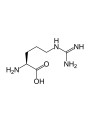
- L-Arginine: An amino acid that can support skin hydration and barrier function.
To mimic the original product's performance, you would need to include ingredients with similar functions to these key actives and specialized oils, in addition to a suitable blend of carrier oils.
Related Products Mentioned
Vitamin C (L-ascorbic acid) (Ultra-Fine)
Vitamin C (L-ascorbic acid) (Fine)

Pure MSM™ (Methylsulfonylmethane)


Vitamin C (L-ascorbic acid) (Standard)
L-Arginine