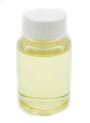
Facial Cleanser Formula for Oily Skin: Ingredient Amount, Clogging, and Preservation
Question
I would like a facial cleanser for oily skin that produces foam but is non-irritating. Please analyze the following formula:
- Water
- Lauryl Glucoside
- Coco Betaine
- cocowash (PEG-7 Glyceryl Cocoate)
- glycerin
- Phenoxyethanol
I would like to know:
- What is the appropriate amount of cocowash (PEG-7 Glyceryl Cocoate)?
- If using less than 10% cocowash (PEG-7 Glyceryl Cocoate) is still suitable for an oily skin cleanser?
- If using any ingredient in high amounts in this formula has the potential to cause acne or clogged pores?
- If using only Phenoxyethanol at approximately 0.5% is sufficient as a preservative and if it might cause irritation?
Thank you.
Answer
Analysis of Your Facial Cleansing Formula for Oily Skin
Your proposed formula for a foaming, non-irritating facial wash for oily skin uses a combination of gentle surfactants and a humectant, which is a good approach for cleansing oily skin effectively without causing excessive dryness or irritation.
Here's a breakdown of the ingredients and answers to your specific questions:
- Water: The base of the formula.
- Lauryl Glucoside: A gentle, non-ionic surfactant derived from natural sources. It provides cleansing properties but may require pH adjustment as it is alkaline.
- Coco Betaine: An amphoteric surfactant that is mild and helps to boost foam quality, making it fine and smooth. It is compatible with other types of surfactants.
- Coco Wash™ (PEG-7 Glyceryl Cocoate): A non-ionic surfactant derived from coconut oil, known for its high level of gentleness and ability to provide a soft and smooth feel to the skin. It has low cleaning efficiency and is often used to add moisturizing properties or in makeup removers.
- Glycerin: A humectant that attracts and retains moisture, helping to keep the skin hydrated.
- Phenoxyethanol: A preservative used to protect the product from microbial growth.
Appropriate Amount of Coco Wash™ for Oily Skin
Coco Wash™ is primarily used for its mildness and conditioning properties rather than strong cleansing. Its recommended usage rate is 1-10%, with 3-5% suggested for cosmetic cleansing. For oily skin, which needs effective cleansing to remove excess sebum, using Coco Wash™ at a lower percentage (e.g., 3-5%) while relying on Lauryl Glucoside and Coco Betaine for the main cleansing action is appropriate. Using less than 10% is well within the recommended range and can still contribute to the desired gentle feel without compromising the cleansing performance needed for oily skin when combined with other surfactants.
Potential for Acne or Clogged Pores
In a rinse-off product like a facial wash, the ingredients are in contact with the skin for a short period, which generally reduces the likelihood of causing acne or clogged pores compared to leave-on products. The surfactants in your formula (Lauryl Glucoside, Coco Betaine, Coco Wash™) are considered relatively mild. Glycerin is also generally non-comedogenic. While high concentrations of some ingredients can potentially feel heavy or contribute to clogging in susceptible individuals, the risk is lower in a wash-off product when properly rinsed. The overall balance of the formula is important.
Phenoxyethanol as a Preservative and Potential for Irritation
Phenoxyethanol is a common preservative with a recommended usage rate of 0.5-1.0% (up to 0.5% for eye products). It is effective against bacteria but less effective against fungi, meaning it may not provide broad-spectrum preservation on its own. Using 0.5% is within the recommended range, but for full protection, especially against fungi, it might be beneficial to combine it with another preservative or use a broad-spectrum blend. Regarding irritation, while Phenoxyethanol is generally considered safe at recommended levels, some individuals can be sensitive to it. Using an "Extra Pure" grade, as indicated in the product description, helps to reduce the risk of irritation. However, as with any ingredient, individual skin reactions can vary. Performing a challenge test is recommended to ensure the preservative system is effective for your specific formula and to assess potential for irritation.
Related Products Mentioned
Glycerin (USP/Food Grade)
Phenoxyethanol (Extra Pure)
Cocamidopropyl Betaine
Lauryl Glucoside